


By Jamie Cook — Home cook sharing tested recipes from a real kitchen.
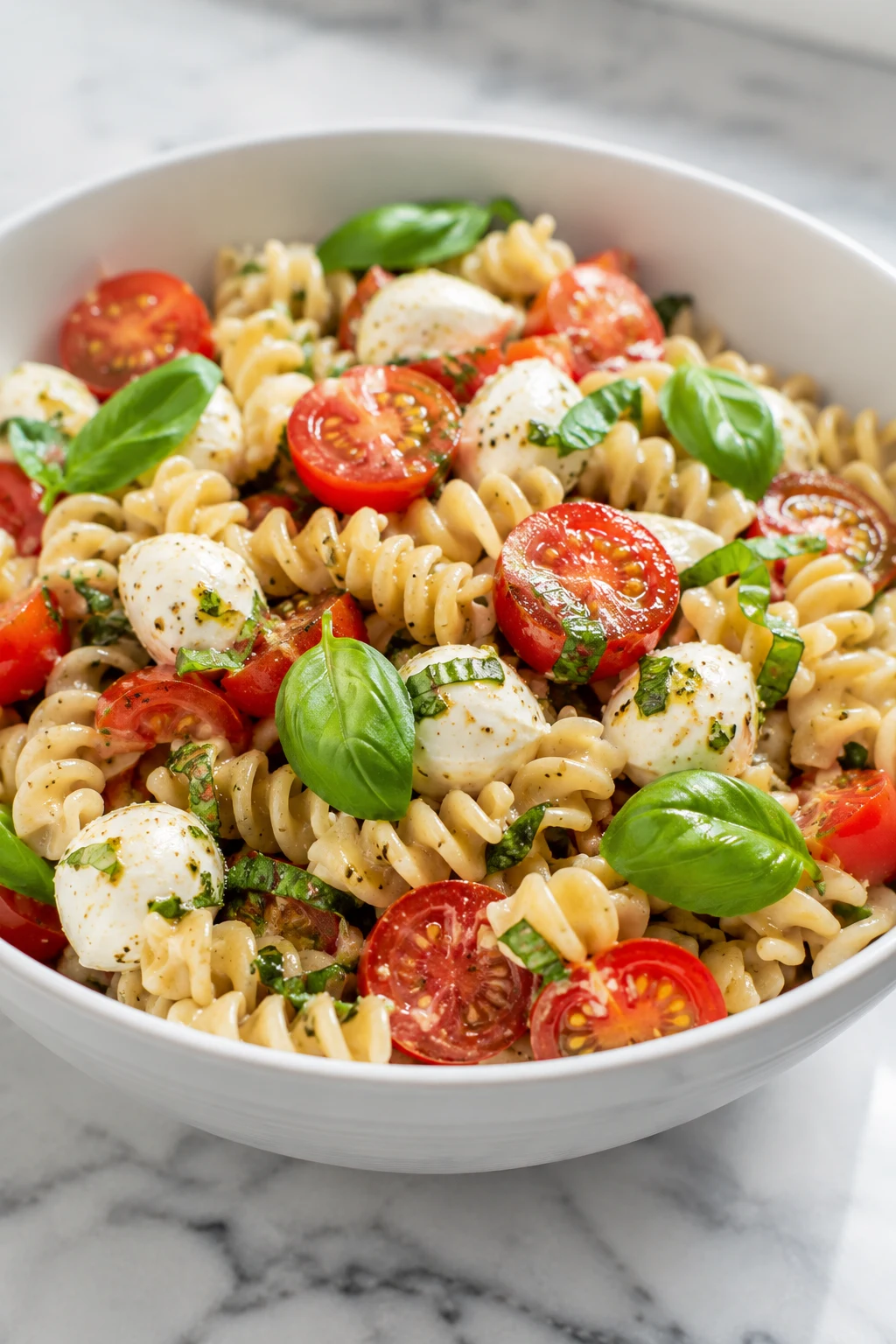
gluten free caprese pasta salad is the answer when you want something cold, fresh, filling, and absolutely unwilling to turn on the oven in August. This easy recipe combines tender gluten-free rotini, juicy cherry tomatoes, creamy fresh mozzarella, fragrant basil, and a punchy balsamic dressing in one bowl. It works as a light lunch, summer side dish, picnic superstar, or the thing you bring to a potluck when you actually want your serving dish returned empty. The trick is choosing a gluten-free pasta that holds its texture after chilling and giving the salad enough dressing to stay lively without becoming soggy.
Why This Recipe is Awesome
This gluten free caprese pasta salad takes about 25 minutes to make and requires zero culinary gymnastics. You boil pasta, chop a few things, whisk a dressing, and toss everything together. That’s it. No oven. No complicated sauce. No tiny garnish that requires tweezers and emotional support. The combination of fresh mozzarella, ripe tomatoes, basil, and balsamic vinegar gives the pasta plenty of flavor without making the ingredient list ridiculous.

Ingredients You’ll Need
- 8 ounces gluten-free rotini or fusilli — choose a sturdy short shape that can actually hold onto dressing instead of surrendering immediately.
- 1 pint cherry tomatoes, about 10–12 ounces — halved for juicy little bites that won’t turn the bowl into tomato soup.
- 8 ounces fresh mozzarella pearls — tiny cheese pillows; halve larger pearls if needed.
- 1/2 cup fresh basil leaves, loosely packed — fresh basil matters here, so don’t send dried basil into this fight.
- 1/4 cup extra-virgin olive oil — the backbone of the dressing, so use one you genuinely like.
- 2 tablespoons balsamic vinegar — brings the sharp, tangy note that makes the mozzarella and tomatoes wake up.
- 1 tablespoon fresh lemon juice — adds brightness and keeps the dressing from tasting flat.
- 1 small garlic clove, finely grated or minced — one clove gives flavor without turning every bite into a garlic jump scare.
- 1 teaspoon Dijon mustard — helps the dressing emulsify and adds a little savory bite.
- 1/2 teaspoon Italian seasoning — optional, but useful when your basil plant has decided to produce approximately six leaves.
- 3/4 teaspoon kosher salt, divided — salt the pasta water and season the finished salad properly.
- 1/4 teaspoon freshly ground black pepper — because tomatoes deserve pepper.
- 1 tablespoon balsamic glaze, optional — for a sweet, glossy finish right before serving.
Step-by-Step Instructions
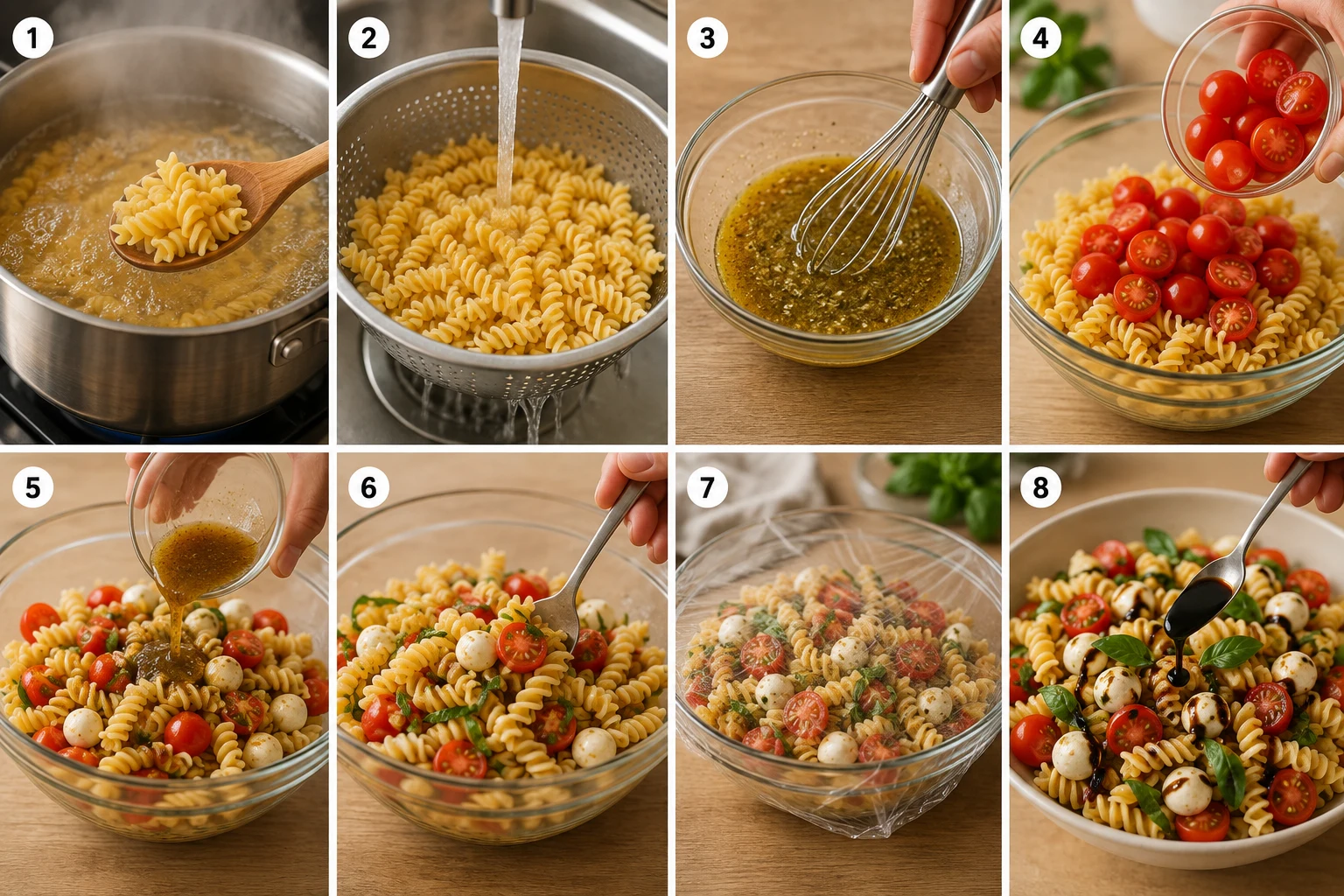
- Boil the pasta in well-salted water according to the package directions, usually about 8–12 minutes. Cook it until just tender rather than mushy; gluten-free pasta can soften further as it sits in the dressing. The pasta should still have a slight bite when you taste it.
- Drain the pasta thoroughly, then rinse it under cold running water until completely cool. Spread it briefly in the colander if necessary so excess water drains away. I tested this with pasta that went straight from the pot into the bowl once, and the warm noodles softened the mozzarella and made the dressing disappear faster than I wanted.
- Whisk the olive oil, balsamic vinegar, lemon juice, Dijon mustard, garlic, Italian seasoning, 1/4 teaspoon salt, and black pepper in a small bowl. Keep whisking until the oil and vinegar look evenly blended rather than separated into two obvious layers.
- Halve the cherry tomatoes and add them to a large mixing bowl with the cooled pasta. Cut the tomatoes cleanly through the middle so their juices can mingle with the dressing without completely flooding the salad.
- Add the mozzarella pearls and tear the basil leaves into bite-sized pieces. Tear the basil shortly before serving because freshly torn leaves keep a brighter aroma and appearance than basil chopped hours in advance.
- Pour about three-quarters of the dressing over the pasta mixture and toss gently. The gluten free caprese pasta salad should look lightly coated rather than swimming in dressing, with the fusilli or rotini catching little streaks of vinaigrette in its ridges.
- Taste the salad and add the remaining dressing, salt, or pepper as needed. If the tomatoes taste especially sweet and ripe, the full dressing amount may work beautifully; if they already taste quite acidic, hold back a little balsamic.
- Let the salad rest for 15–20 minutes before serving, or refrigerate it for up to about an hour if you prefer it colder. This short resting time lets the basil, tomato juices, mozzarella, and balsamic dressing mingle without giving the gluten-free pasta too much time to toughen.
- Finish with extra basil and a light drizzle of balsamic glaze if using. Serve it slightly cool or close to room temperature for the best texture, especially if the salad has spent time in the refrigerator.
Common Mistakes to Avoid
- Overcooking the gluten-free pasta — Mushy pasta has nowhere to hide in a salad, so stop cooking as soon as it reaches tender.
- Skipping the salt — Unsalted pasta water produces bland noodles, and bland noodles will not magically become interesting because you added mozzarella.
- Using dried basil — This recipe depends on fresh basil’s aroma and flavor; dried basil changes the character of the dish.
- Drowning everything in dressing — Add most of the dressing first, toss, then decide whether you need the rest.
- Making it three days too early — Gluten-free pasta tends to firm up in the refrigerator, so this salad tastes best relatively close to serving time.
Alternatives & Substitutions
Gluten-free pasta: Rotini and fusilli work especially well because their ridges catch the vinaigrette. Gluten-free penne also works, while long noodles make the salad awkward to scoop and eat. If you need the dish to be certified gluten-free, choose pasta and packaged seasonings that carry the certification you require and avoid cross-contact during preparation.
Mozzarella: Fresh mozzarella pearls make the easiest version, but you can cube a fresh mozzarella ball or log into bite-sized pieces. For a firmer texture, use small mozzarella balls straight from the refrigerator.
Dressing: You can replace the homemade vinaigrette with a gluten-free balsamic dressing when you’re in a hurry. Start with a smaller amount and add more after tossing because bottled dressings differ in thickness and intensity.
Basil: Fresh basil gives the classic Caprese flavor, but pesto makes an excellent pantry shortcut. Stir 2–3 tablespoons of gluten-free basil pesto into the salad and reduce the amount of olive oil and balsamic dressing accordingly.
Extra vegetables: Add diced cucumber, arugula, roasted red peppers, or baby spinach if you want more volume. For a more substantial meal, toss in chickpeas or cooked grilled chicken.
Dairy-free option: Use a dairy-free mozzarella-style alternative and check every packaged ingredient for gluten-free labeling if you need strict avoidance. The tomato, basil, and balsamic combination still provides plenty of flavor without traditional cheese.
Frequently Asked Questions
How long does gluten free caprese pasta salad last in the fridge?
Gluten free caprese pasta salad keeps for about 2–3 days in an airtight container in the refrigerator, although the texture is best during the first day. Gluten-free pasta tends to firm up as it chills, so let leftovers sit at room temperature briefly before serving and refresh them with a small splash of dressing if needed.
Can I make gluten free caprese pasta salad ahead of time?
Yes, you can prepare it several hours ahead and refrigerate it until serving. For the best texture, keep a little dressing and fresh basil aside, then toss them through the salad just before serving to restore moisture and freshness.
Why did my gluten-free pasta get hard in pasta salad?
Gluten-free pasta can become firmer after refrigeration because the noodles continue to change texture as they cool and absorb surrounding moisture. Cook the pasta according to the package directions without overcooking it, cool it promptly, and keep extra dressing available for leftovers rather than cooking the noodles far past tender.
Can I use regular balsamic vinegar instead of balsamic glaze?
Yes, regular balsamic vinegar belongs in the dressing, while balsamic glaze works as an optional finishing drizzle. Use vinegar for acidity and glaze for sweetness, and don’t substitute a large amount of glaze for the vinegar because the salad can become overly sweet.
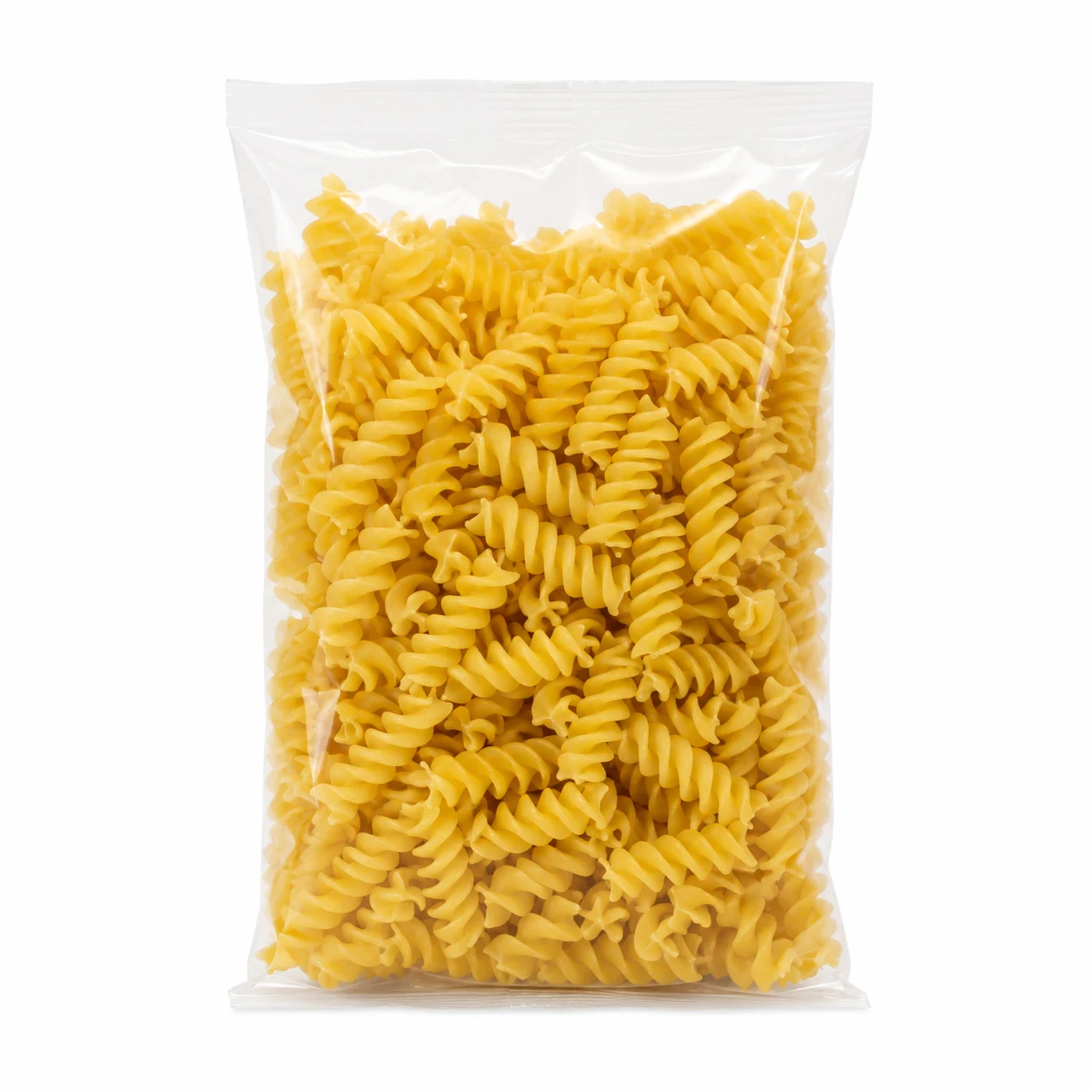
🛒 Barilla Gluten Free Rotini Pasta & Bertolli Extra Virgin Olive Oil Rich Taste
Everything you need to make this dish perfectly:


As an Amazon Associate I earn from qualifying purchases.
Make It Tonight!
A bowl of gluten free caprese pasta salad gives you an easy meal that feels fresh without demanding an entire afternoon in the kitchen. Pair it with grilled chicken, serve it beside burgers, or eat it straight from the bowl while standing suspiciously close to the refrigerator. If you love easy Italian-inspired flavors, try gluten free pesto pasta salad or easy Italian pasta salad next. Cook the pasta, grab the basil, and let dinner sort itself out.
🍽️ Recipes You Can Try
Loved this one? Here are a few more worth your time.
Gluten free caprese pasta salad
Soft, fluffy, and ready in 45 min — this gluten free caprese pasta salad recipe is easy to make with simple ingredients and delivers reliable results every time.
💛 Why You’ll Love This Recipe
- ✓8 ounces gluten-free rotini or fusilli — choose a sturdy short shape that can actually hold onto dressing instead of surrendering immediately.
- ✓1 pint cherry tomatoes, about 10–12 ounces — halved for juicy little bites that won’t turn the bowl into tomato soup.
- ✓8 ounces fresh mozzarella pearls — tiny cheese pillows; halve larger pearls if needed.
- ✓1/2 cup fresh basil leaves, loosely packed — fresh basil matters here, so don’t send dried basil into this fight.
- ✓1/4 cup extra-virgin olive oil — the backbone of the dressing, so use one you genuinely like.
- ✓2 tablespoons balsamic vinegar — brings the sharp, tangy note that makes the mozzarella and tomatoes wake up.
- ✓1 tablespoon fresh lemon juice — adds brightness and keeps the dressing from tasting flat.
- ✓1 small garlic clove, finely grated or minced — one clove gives flavor without turning every bite into a garlic jump scare.
- ✓1 teaspoon Dijon mustard — helps the dressing emulsify and adds a little savory bite.
- ✓1/2 teaspoon Italian seasoning — optional, but useful when your basil plant has decided to produce approximately six leaves.
- ✓3/4 teaspoon kosher salt, divided — salt the pasta water and season the finished salad properly.
- ✓1/4 teaspoon freshly ground black pepper — because tomatoes deserve pepper.
- ✓1 tablespoon balsamic glaze, optional — for a sweet, glossy finish right before serving.
- ▢Large pot
- ▢Colander
- ▢Large skillet or sauté pan
- ▢Tongs
- 1Boil the pasta in well-salted water according to the package directions, usually about 8–12 minutes. Cook it until just tender rather than mushy; gluten-free pasta can soften further as it sits in the dressing. The pasta should still have a slight bite when you taste it.
- 2Drain the pasta thoroughly, then rinse it under cold running water until completely cool. Spread it briefly in the colander if necessary so excess water drains away. I tested this with pasta that went straight from the pot into the bowl once, and the warm noodles softened the mozzarella and made the dressing disappear faster than I wanted.
- 3Whisk the olive oil, balsamic vinegar, lemon juice, Dijon mustard, garlic, Italian seasoning, 1/4 teaspoon salt, and black pepper in a small bowl. Keep whisking until the oil and vinegar look evenly blended rather than separated into two obvious layers.
- 4Halve the cherry tomatoes and add them to a large mixing bowl with the cooled pasta. Cut the tomatoes cleanly through the middle so their juices can mingle with the dressing without completely flooding the salad.
- 5Add the mozzarella pearls and tear the basil leaves into bite-sized pieces. Tear the basil shortly before serving because freshly torn leaves keep a brighter aroma and appearance than basil chopped hours in advance.
- 6Pour about three-quarters of the dressing over the pasta mixture and toss gently. The gluten free caprese pasta salad should look lightly coated rather than swimming in dressing, with the fusilli or rotini catching little streaks of vinaigrette in its ridges.
- 7Taste the salad and add the remaining dressing, salt, or pepper as needed. If the tomatoes taste especially sweet and ripe, the full dressing amount may work beautifully; if they already taste quite acidic, hold back a little balsamic.
- 8Let the salad rest for 15–20 minutes before serving, or refrigerate it for up to about an hour if you prefer it colder. This short resting time lets the basil, tomato juices, mozzarella, and balsamic dressing mingle without giving the gluten-free pasta too much time to toughen.
- 9Finish with extra basil and a light drizzle of balsamic glaze if using. Serve it slightly cool or close to room temperature for the best texture, especially if the salad has spent time in the refrigerator.
💡 Tips for Perfect Results
- ✔️Salt your pasta water generously — it should taste like the sea.
- ✔️Reserve a cup of pasta water before draining — the starch helps bind the sauce.
- ✔️Finish cooking the pasta in the sauce for 1–2 min so it absorbs the flavor.
🧊 Storage
Can I use regular balsamic vinegar instead of balsamic glaze? Yes, regular balsamic vinegar belongs in the dressing, while balsamic glaze works as an optional finishing drizzle. Use vinegar for acidity and glaze for sweetness, and don’t substitute a large amount of glaze for the vinegar because the salad can become overly sweet.
Nutrition Information
(per serving)* Estimated values based on typical ingredients — actual nutrition may vary. % Daily Values based on a 2,000 calorie diet.
❓ Frequently Asked Questions
How long does gluten free caprese pasta salad last in the fridge?
Gluten free caprese pasta salad keeps for about 2–3 days in an airtight container in the refrigerator, although the texture is best during the first day. Gluten-free pasta tends to firm up as it chills, so let leftovers sit at room temperature briefly before serving and refresh them with a small splash of dressing if needed.
Can I make gluten free caprese pasta salad ahead of time?
Yes, you can prepare it several hours ahead and refrigerate it until serving. For the best texture, keep a little dressing and fresh basil aside, then toss them through the salad just before serving to restore moisture and freshness.
Why did my gluten-free pasta get hard in pasta salad?
Gluten-free pasta can become firmer after refrigeration because the noodles continue to change texture as they cool and absorb surrounding moisture. Cook the pasta according to the package directions without overcooking it, cool it promptly, and keep extra dressing available for leftovers rather than cooking the noodles far past tender.
Can I use regular balsamic vinegar instead of balsamic glaze?
Yes, regular balsamic vinegar belongs in the dressing, while balsamic glaze works as an optional finishing drizzle. Use vinegar for acidity and glaze for sweetness, and don’t substitute a large amount of glaze for the vinegar because the salad can become overly sweet.
