


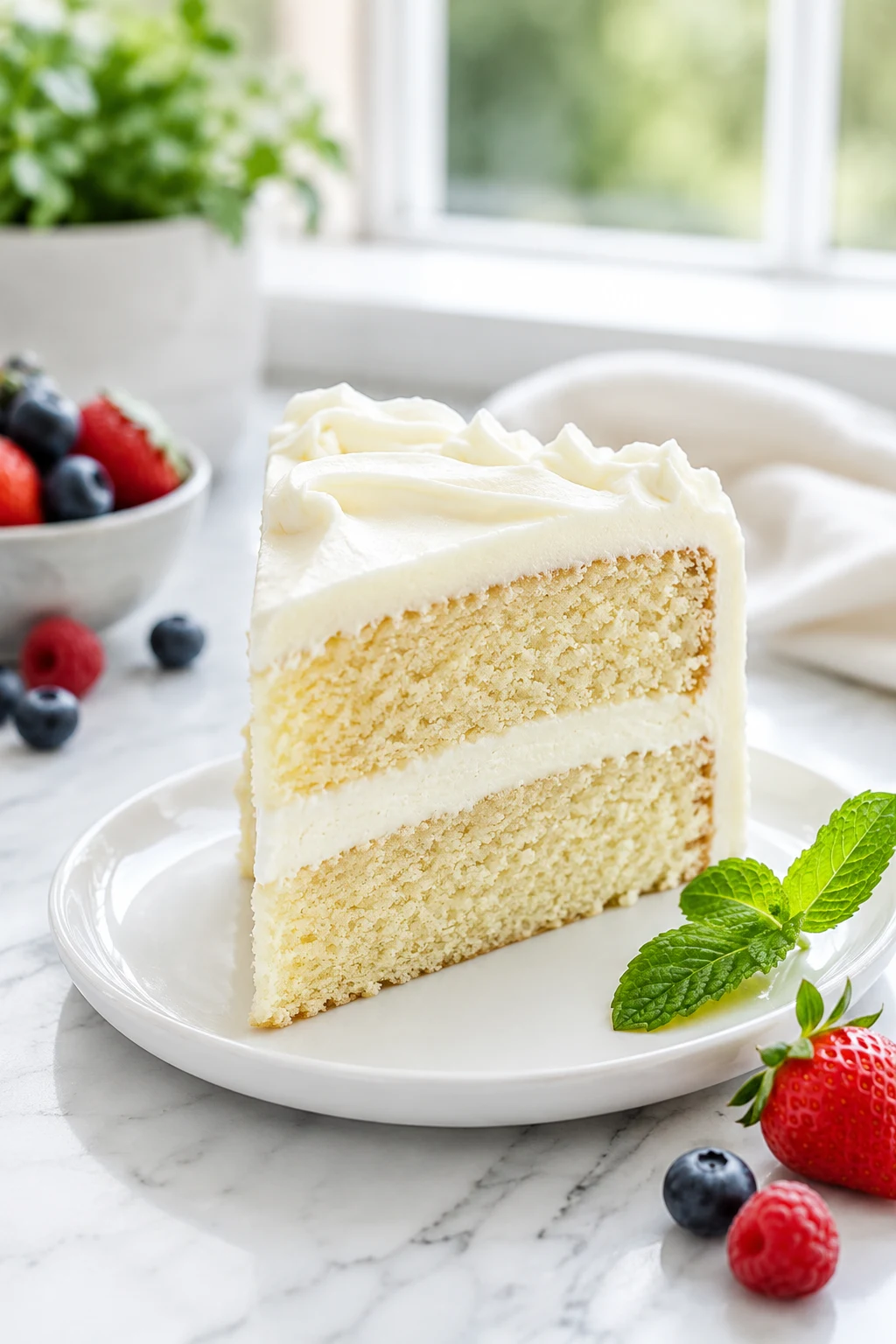
By Jamie Cook — Home cook sharing tested recipes from a real kitchen.
icing cake recipe lovers, this one’s for you because nothing ruins a great cake faster than icing that slides off, tastes like straight sugar, or turns into a grainy mess. After making this recipe more times than I can count for birthdays, cupcakes, and “I forgot I promised dessert” emergencies, I finally landed on a buttercream that spreads smoothly, pipes beautifully, and actually tastes balanced. The first time I made it, I dumped all the powdered sugar into the mixer at once and created a snowstorm worthy of winter. Learn from my mistake—your kitchen will thank you.
Why This Recipe is Awesome
This icing cake recipe delivers fluffy, stable buttercream without requiring fancy techniques or specialty ingredients. It spreads easily, holds crisp piping details, and doesn’t taste like you’re eating a spoonful of powdered sugar. Honestly, store-bought frosting has its place, but this version takes about 10 minutes, lets you control the sweetness, and won’t leave that weird waxy coating on your tongue. That’s a trade I’ll happily make every time.
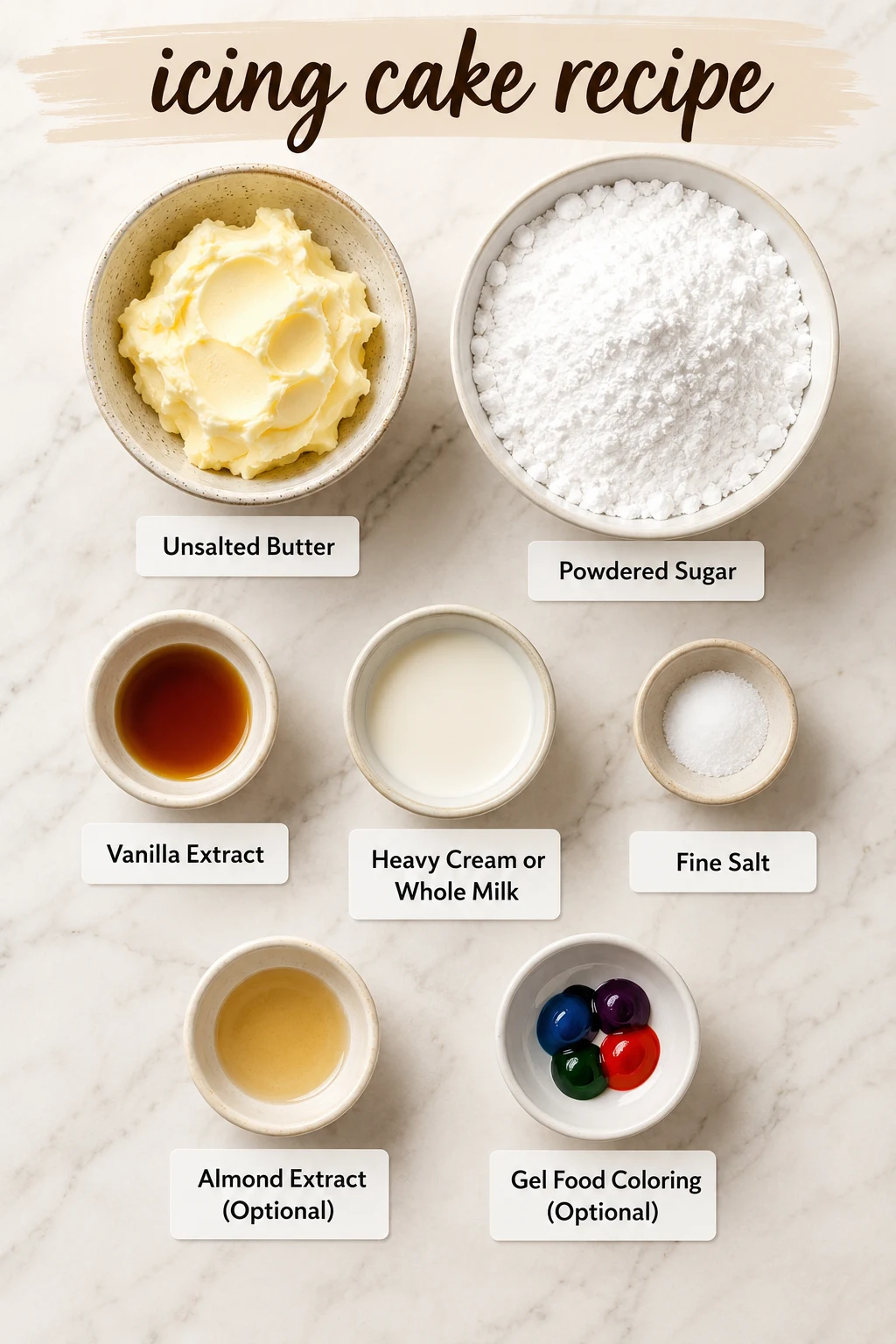
Ingredients You’ll Need
- 1 cup (226 g) unsalted butter, softened — the star of the show, so don’t use it straight from the fridge.
- 4 cups (480 g) powdered sugar, sifted — saves you from mysterious little sugar lumps.
- 2 teaspoons pure vanilla extract — because imitation vanilla always tattles on itself.
- 2–3 tablespoons heavy cream or whole milk — add gradually, not like you’re watering a lawn.
- 1/4 teaspoon fine salt — tiny amount, huge difference.
- Optional: 1 teaspoon almond extract — if you’re feeling bakery-level fancy.
- Optional gel food coloring — gel works better than liquid unless pastel chaos is your goal.
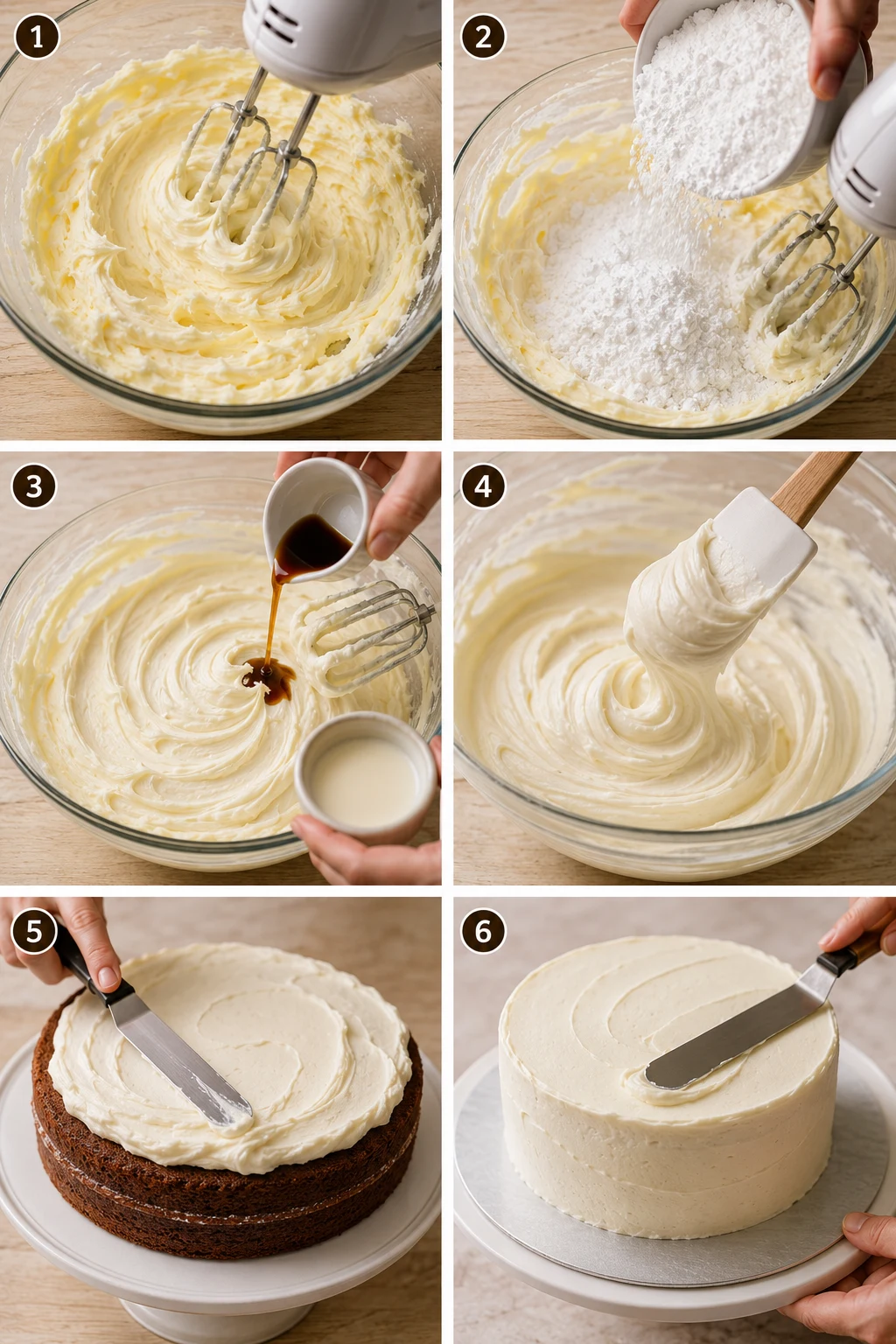
Step-by-Step Instructions
- Beat the softened butter on medium-high speed for about 3–4 minutes until it becomes pale and fluffy. Properly whipped butter creates light icing, so don’t rush this step.
- Add the powdered sugar one cup at a time on low speed. Scrape the bowl after each addition so no dry pockets hide along the sides.
- Mix in the vanilla extract, salt, and 2 tablespoons of heavy cream. Increase the mixer to medium-high and whip for another 2–3 minutes until silky smooth.
- Adjust the consistency. Add the remaining cream one teaspoon at a time if you need softer frosting, or add another tablespoon of powdered sugar if it’s too loose. This icing cake recipe should form soft peaks that hold their shape without looking stiff.
- Frost only completely cooled cakes. I once got impatient and iced a cake that felt “mostly cool,” and the buttercream slowly slid down the sides like it had somewhere better to be. Wait until the cake feels room temperature all over.
- Spread with an offset spatula or pipe immediately. For extra-clean layers, chill the frosted cake for 15–20 minutes before adding a second decorative layer or smoothing the finish. A chilled cake also slices much more neatly with a warm, clean knife. Serious Eats+1
Common Mistakes to Avoid
- Don’t frost a warm cake unless abstract art was your original decorating plan.
- Don’t skip sifting powdered sugar if it’s packed with lumps.
- Don’t over-thin the icing by dumping in too much cream at once.
- Don’t use melted butter instead of softened butter—you’ll create frosting soup.
- Don’t forget the salt. It quietly keeps everything from tasting one-dimensional.
Alternatives & Substitutions
This icing cake recipe works with several simple swaps. Use plant-based butter and dairy-free cream for a vegan version, though the frosting softens a little faster at room temperature. Swap vanilla for lemon extract, orange zest, or espresso powder for different flavor profiles. If you need a less sweet finish for carrot or red velvet cake, cream cheese frosting makes an excellent alternative, while Swiss or Italian buttercream offers a lighter texture for elaborate decorations. Warner Bros. Discovery+1
Looking for more baking inspiration? Try this classic vanilla cake or pair your frosting with these easy chocolate cupcakes.
Frequently Asked Questions
How do I make icing cake recipe thicker?
Add powdered sugar one tablespoon at a time until the icing holds firm peaks. Avoid adding large amounts at once or it may become overly sweet.
Can I make this icing ahead of time?
Yes. Store it in an airtight container in the refrigerator for up to 5 days. Let it come to room temperature and whip it for 1–2 minutes before using.
Why is my buttercream grainy?
Grainy icing usually comes from cold butter or unsifted powdered sugar. Beat the butter until fluffy before adding sugar, and sift the sugar if it has clumps.
Can I freeze leftover icing?
Yes. Freeze it in a sealed container for up to 3 months. Thaw overnight in the refrigerator, then whip again until smooth before frosting a cake.
Make It Tonight!
Homemade frosting doesn’t need to be complicated, and this icing cake recipe proves it with pantry ingredients and just a few minutes of mixing. Once you master the consistency, you’ll have a reliable frosting for birthday cakes, cupcakes, sheet cakes, and everything in between. If you’re planning a full dessert spread, don’t miss this easy vanilla sponge cake or homemade chocolate cake recipe. Grab your mixer, make this icing cake recipe, and remember: every great cake starts with confidence—and a generous swipe of buttercream.
🍽️ Recipes You Can Try
Loved this one? Here are a few more worth your time.
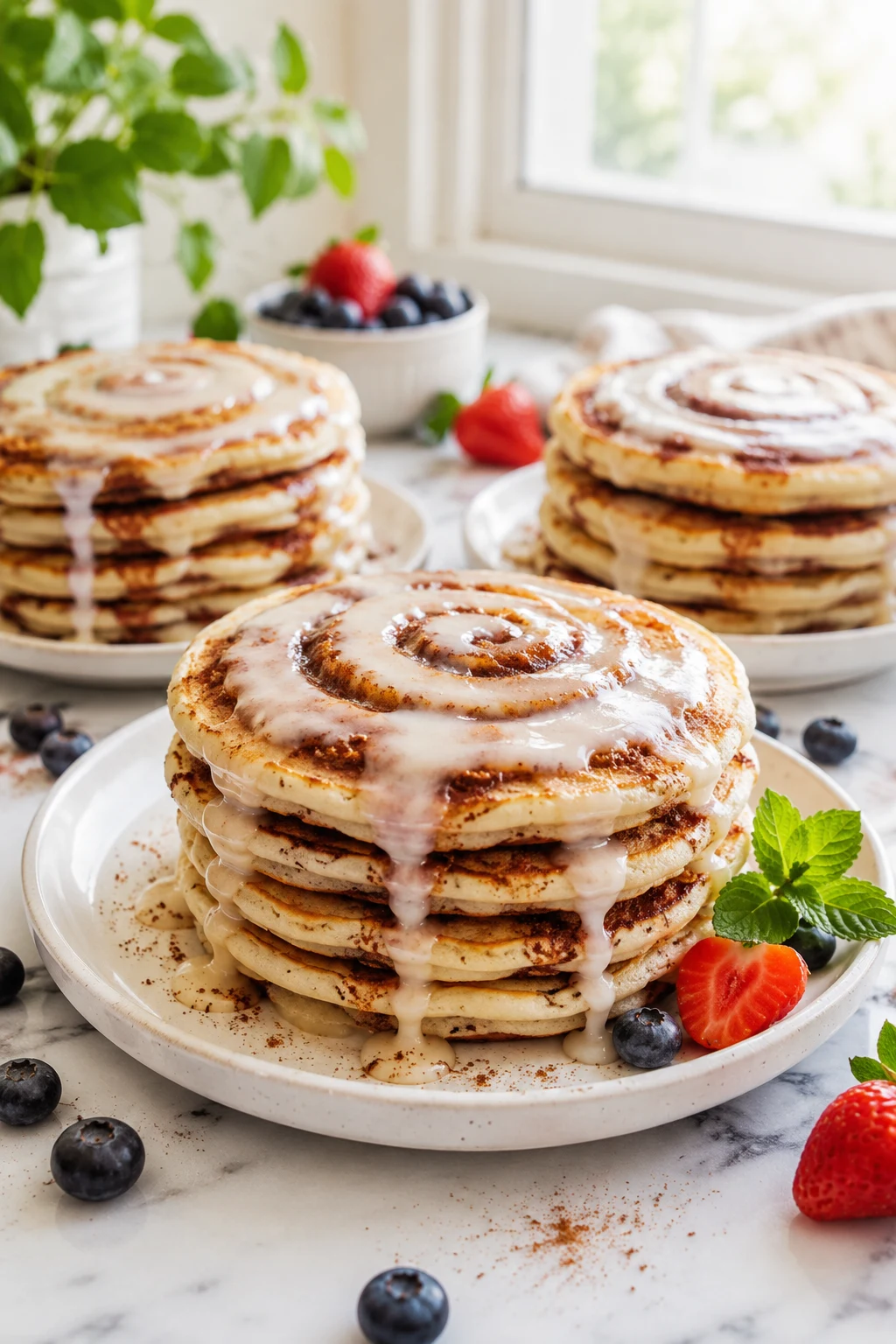
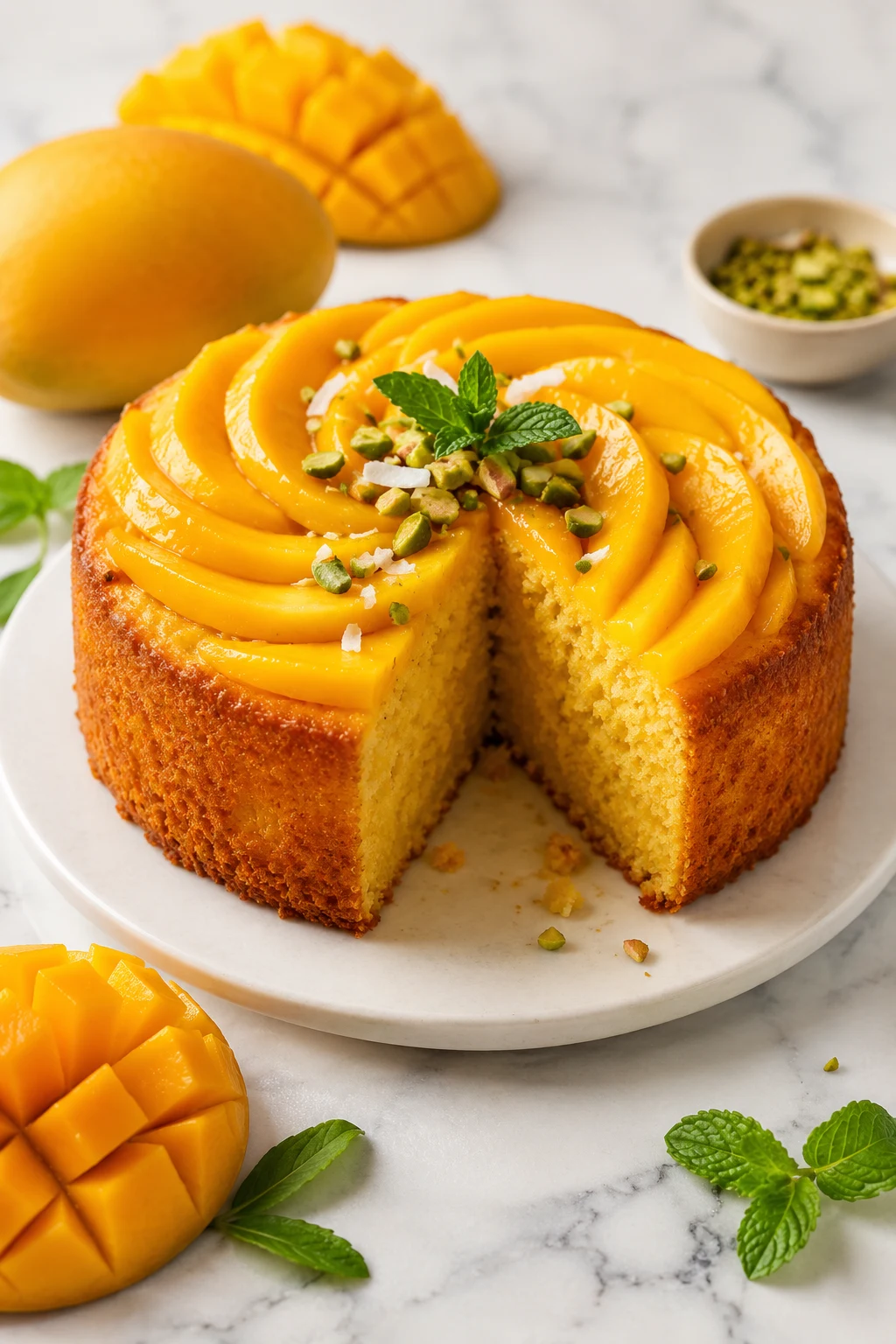
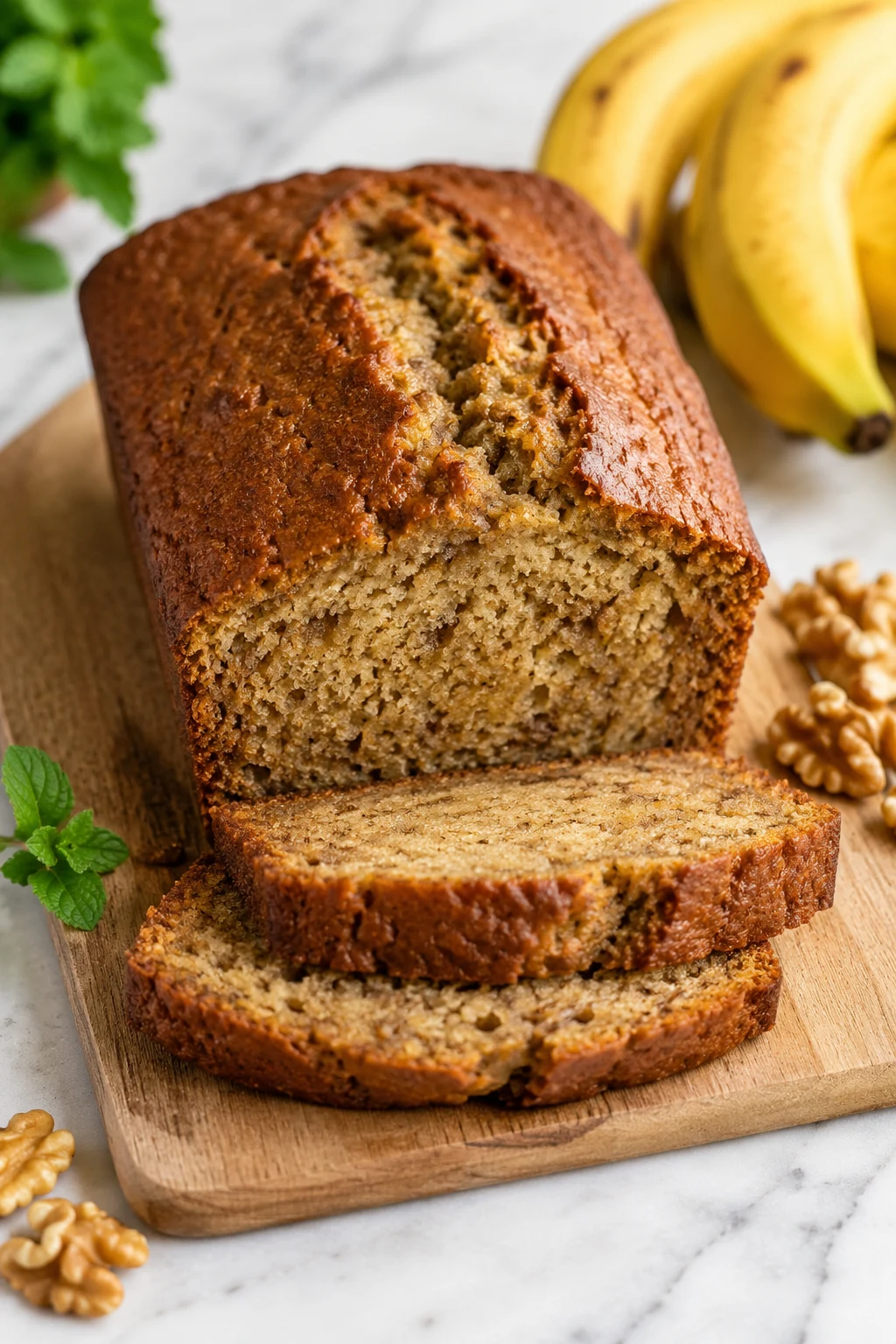

Icing cake recipe
- ✓1 cup (226 g) unsalted butter, softened — the star of the show, so don’t use it straight from the fridge.
- ✓4 cups (480 g) powdered sugar, sifted — saves you from mysterious little sugar lumps.
- ✓2 teaspoons pure vanilla extract — because imitation vanilla always tattles on itself.
- ✓2–3 tablespoons heavy cream or whole milk — add gradually, not like you’re watering a lawn.
- ✓1/4 teaspoon fine salt — tiny amount, huge difference.
- ✓Optional: 1 teaspoon almond extract — if you’re feeling bakery-level fancy.
- ✓Optional gel food coloring — gel works better than liquid unless pastel chaos is your goal.
- 1Beat the softened butter on medium-high speed for about 3–4 minutes until it becomes pale and fluffy. Properly whipped butter creates light icing, so don’t rush this step.
- 2Add the powdered sugar one cup at a time on low speed. Scrape the bowl after each addition so no dry pockets hide along the sides.
- 3Mix in the vanilla extract, salt, and 2 tablespoons of heavy cream. Increase the mixer to medium-high and whip for another 2–3 minutes until silky smooth.
- 4Adjust the consistency. Add the remaining cream one teaspoon at a time if you need softer frosting, or add another tablespoon of powdered sugar if it’s too loose. This icing cake recipe should form soft peaks that hold their shape without looking stiff.
- 5Frost only completely cooled cakes. I once got impatient and iced a cake that felt "mostly cool," and the buttercream slowly slid down the sides like it had somewhere better to be. Wait until the cake feels room temperature all over.
- 6Spread with an offset spatula or pipe immediately. For extra-clean layers, chill the frosted cake for 15–20 minutes before adding a second decorative layer or smoothing the finish. A chilled cake also slices much more neatly with a warm, clean knife. Serious Eats+1
📝 Chef’s Notes
Store leftovers in an airtight container in the refrigerator for best freshness. Let come to room temperature before serving for the best texture and flavor.
Nutrition Information
(per serving)* Estimated values based on typical ingredients — actual nutrition may vary. % Daily Values based on a 2,000 calorie diet.
