


By Jamie Cook — Home cook sharing tested recipes from a real kitchen.
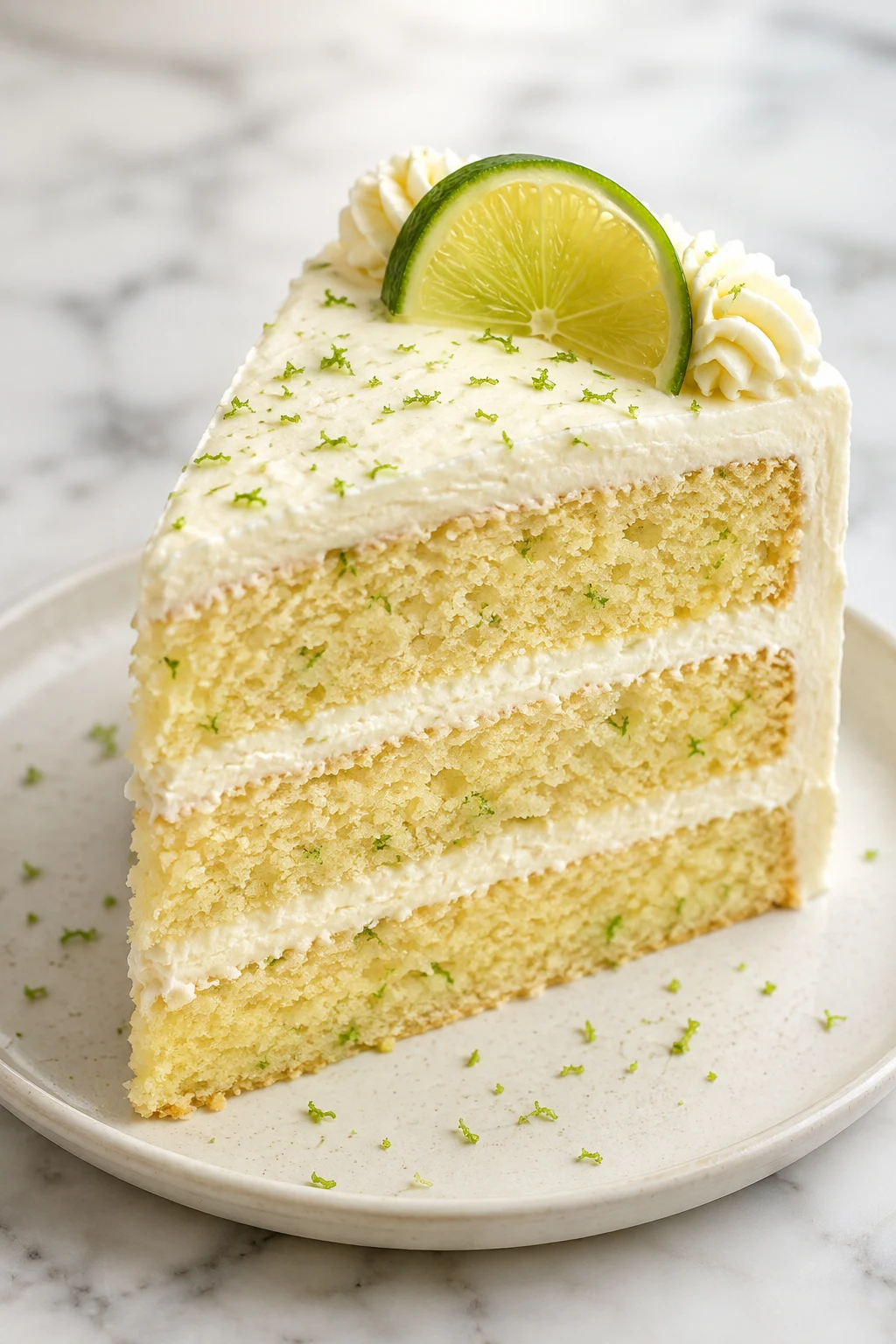
Key Lime Cake Recipe is the answer when you want the bright tang of key lime pie but also want an actual cake you can slice, stack, and generously frost.
This cake keeps things wonderfully simple: tender lime-scented layers, plenty of real key lime juice and zest, and a creamy frosting that balances the citrus without turning the whole dessert into a sugar bomb. The cake stays soft because of buttermilk and oil, while the lime brings enough sharpness to keep every bite interesting. If you’ve ever thought, “Key lime pie is great, but where is the cake?” congratulations, your very specific dessert problem has been solved.
Why This Recipe is Awesome
This Key Lime Cake Recipe gives you the best parts of key lime pie without asking you to wrestle with a pastry crust. The cake has a soft crumb, noticeable citrus flavor, and a tangy cream cheese frosting that makes it party-worthy without requiring pastry-chef gymnastics.
The real trick is using both key lime zest and juice. Juice provides the tart punch, while zest adds fragrant lime oils that make the flavor much louder. And yes, you can use regular limes when key limes are playing hard to find. Dessert will survive.
Ingredients You’ll Need
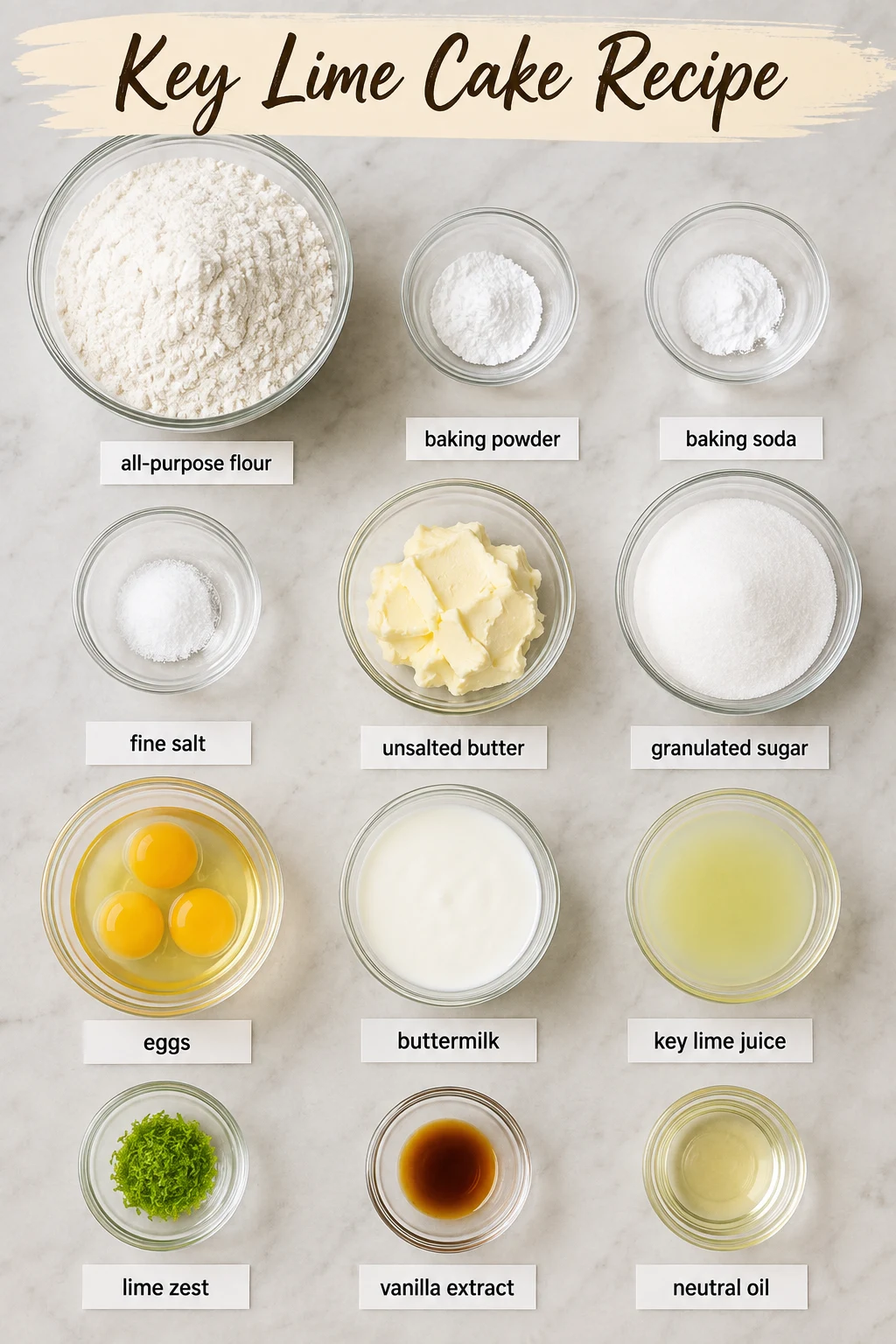
For the cake
- 2½ cups all-purpose flour — the structural backbone, so please don’t casually scoop it like you’re shoveling snow.
- 1½ teaspoons baking powder — gives the layers their lift.
- ½ teaspoon baking soda — works with the buttermilk for extra tenderness and rise.
- ½ teaspoon fine salt — keeps the sweetness from becoming a one-note situation.
- ½ cup unsalted butter, softened — brings richness and buttery flavor.
- 1¼ cups granulated sugar — enough sweetness to balance all that lime.
- 3 large eggs, room temperature — help bind the batter and create a tender crumb.
- ½ cup buttermilk, room temperature — adds moisture and a gentle tang.
- ½ cup key lime juice — the main citrus character; bottled works when fresh key limes refuse to cooperate.
- Zest of 2 key limes — tiny flecks, enormous flavor.
- 1 teaspoon vanilla extract — rounds out the citrus.
- 2 tablespoons neutral oil — keeps the finished cake soft even after chilling.
For the cream cheese frosting
- 8 ounces cream cheese, softened — the tangy frosting hero.
- ¼ cup unsalted butter, softened — makes the frosting smoother and richer.
- 3½ cups powdered sugar — sweetens and thickens the frosting.
- 2 tablespoons key lime juice — adds another hit of citrus.
- 1 teaspoon key lime zest — because apparently one lime component was not enough.
- 1 teaspoon vanilla extract — smooths out the sharp edges.
Optional garnish
- Thin lime slices or extra lime zest — purely for looks, because cake deserves accessories.
- Crushed graham crackers — an easy nod to classic key lime pie.
Step-by-Step Instructions
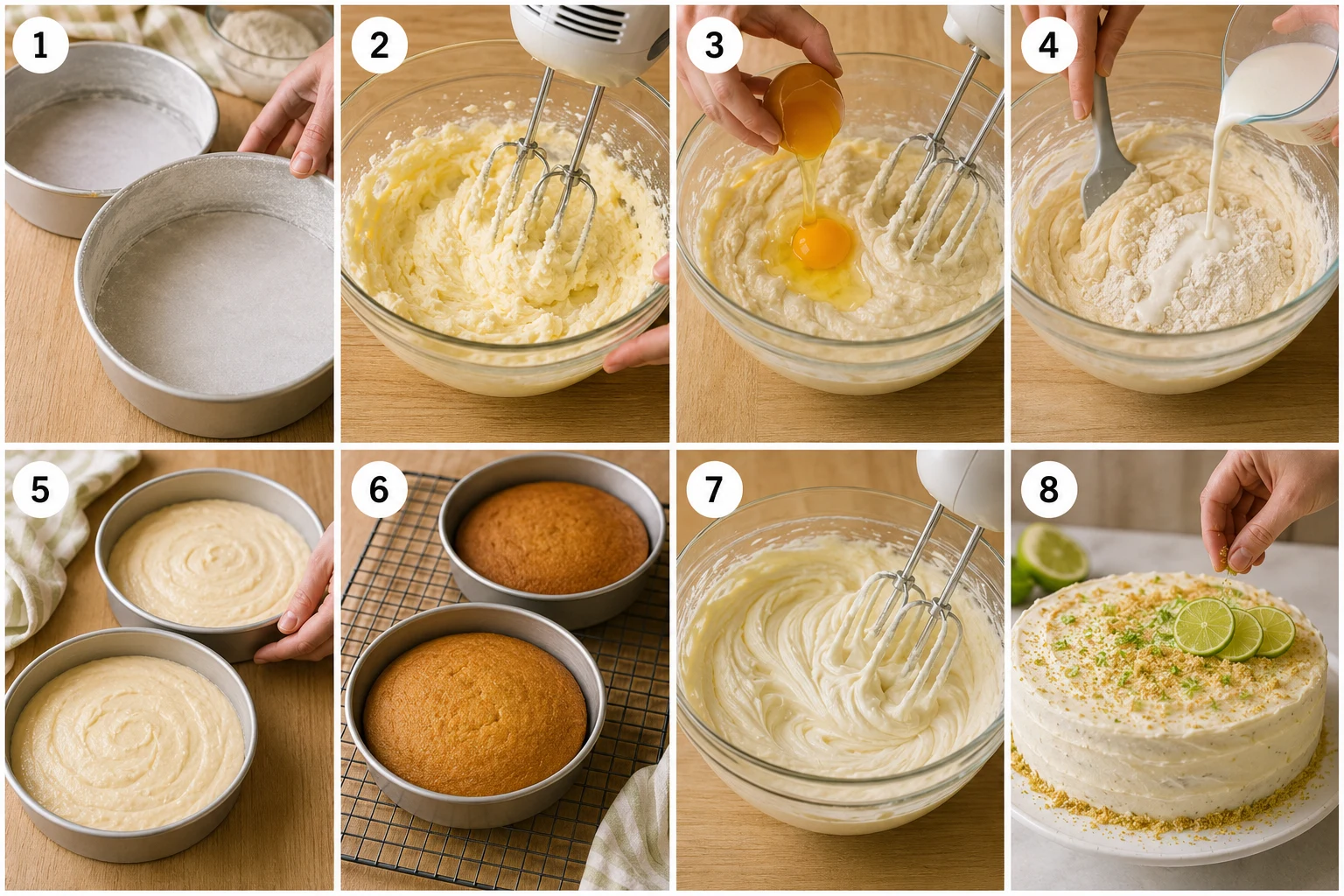
- Heat the oven to 350°F (175°C) and prepare two 9-inch round cake pans. Grease the pans and line the bottoms with parchment, then lightly flour the sides. This Key Lime Cake Recipe releases much more politely when you give it a prepared escape route.
- Whisk the flour, baking powder, baking soda, and salt together in a medium bowl. Whisk for about 20 seconds so the leaveners distribute evenly instead of forming tiny chemical neighborhoods throughout the cake.
- Beat the softened butter, sugar, and oil for 3–4 minutes until noticeably lighter and fluffy. Scrape the bowl once or twice during mixing; the mixture should look creamy rather than dense and greasy.
- Add the eggs one at a time, beating well after each addition. Use room-temperature eggs so they blend smoothly into the butter mixture instead of making the batter look curdled and suspicious.
- Combine the buttermilk, key lime juice, lime zest, and vanilla in a separate measuring cup. The mixture will smell sharply citrusy before baking, which is exactly what you want; the oven will soften that raw acidity.
- Add the dry ingredients and buttermilk mixture alternately, beginning and ending with the dry ingredients. Mix just until the flour disappears, because overmixing develops gluten and can turn a soft cake into something with the personality of a rubber mat.
- Divide the batter evenly between the prepared pans and smooth the tops. Tap each pan gently once on the counter to remove large air pockets, then bake at 350°F (175°C) for 25–30 minutes.
- Check the cakes when the centers look set and a toothpick comes out with a few moist crumbs. The tops should spring back lightly when pressed; don’t wait for the toothpick to emerge bone-dry or you’ll bake away the moisture you’re trying to keep.
- Cool the cakes in their pans for 10 minutes before transferring them to wire racks. Let them cool completely before frosting. One useful visual cue from testing this style of cake is that a properly cooled layer feels firm underneath but doesn’t feel hard around the edges.
- Make the frosting while the cake cools. Beat the softened cream cheese and butter until completely smooth, then gradually beat in the powdered sugar, followed by the key lime juice, zest, and vanilla.
- Level the cake layers if necessary before assembling. Place one layer on a serving plate, spread a generous layer of frosting over the top, then add the second layer and frost the top and sides.
- Decorate with lime zest, thin lime slices, or a light sprinkle of crushed graham crackers. Refrigerate the finished cake for about 30 minutes if you want cleaner slices, then let it sit at room temperature for 10–15 minutes before serving so the frosting softens.
Common Mistakes to Avoid
- Using too much flour: Scooping flour directly from the bag can pack extra flour into the cup. Spoon it into the measuring cup and level it instead.
- Adding cold ingredients: Cold eggs, butter, or buttermilk can make the batter uneven. Room-temperature ingredients blend more smoothly and help create a consistent crumb.
- Overbaking the layers: Start checking around 25 minutes. A dry toothpick isn’t the goal; a few moist crumbs are better.
- Frosting a warm cake: Warm cake melts cream cheese frosting into citrus-flavored soup. Give the layers plenty of time to cool.
- Going wild with lime juice: More juice doesn’t automatically mean more lime flavor. Too much liquid can throw off the cake’s texture, so use lime zest for extra citrus intensity instead.
Alternatives & Substitutions
Regular Persian limes work perfectly when key limes aren’t available. Key limes tend to have a sharper, more aromatic citrus profile, but regular limes still create a bright, tangy cake and are considerably easier to juice.
For a Key Lime Cake Recipe without buttermilk, combine ½ cup whole milk with 1½ teaspoons lemon juice or white vinegar and let it stand for 5 minutes before using. The result won’t taste exactly like buttermilk, but it provides the acidity the batter needs.
For a slightly lighter frosting, replace part of the cream cheese frosting with stabilized whipped cream. For a richer dessert, add a thin layer of lime curd between the cake layers before frosting. Keep that layer modest; too much curd can make the cake layers slide around like they’re auditioning for an action movie.
If you need to make the cake ahead, bake the layers up to one day in advance, wrap them tightly once completely cool, and refrigerate them. You can also freeze unfrosted layers for up to 2 months; thaw them overnight in the refrigerator before decorating.
For another citrus-forward dessert, try lemon blueberry cake or keep the tropical theme going with coconut cream pie.
Frequently Asked Questions
Can I use regular limes instead of Key limes in a Key Lime Cake Recipe?
Yes, regular Persian limes make an excellent substitute for Key limes in this cake. Use the same quantity of juice and zest, although the finished cake may have a slightly less distinctive aroma.
How should I store key lime cake?
Store frosted key lime cake covered in the refrigerator for up to 4 days because the cream cheese frosting needs refrigeration. Let individual slices sit at room temperature for about 10–15 minutes before serving for a softer crumb and creamier frosting.
Can I make Key Lime Cake Recipe layers ahead of time?
Yes, you can bake the cake layers up to 1 day ahead and keep them tightly wrapped in the refrigerator. For longer storage, wrap completely cooled unfrosted layers well and freeze them for up to 2 months, then thaw them in the refrigerator before frosting.
Why did my key lime cake turn out dry?
A dry cake usually comes from overbaking or measuring too much flour into the batter. Start checking the layers around 25 minutes and remove them when a toothpick shows a few moist crumbs rather than waiting for it to come out completely clean.
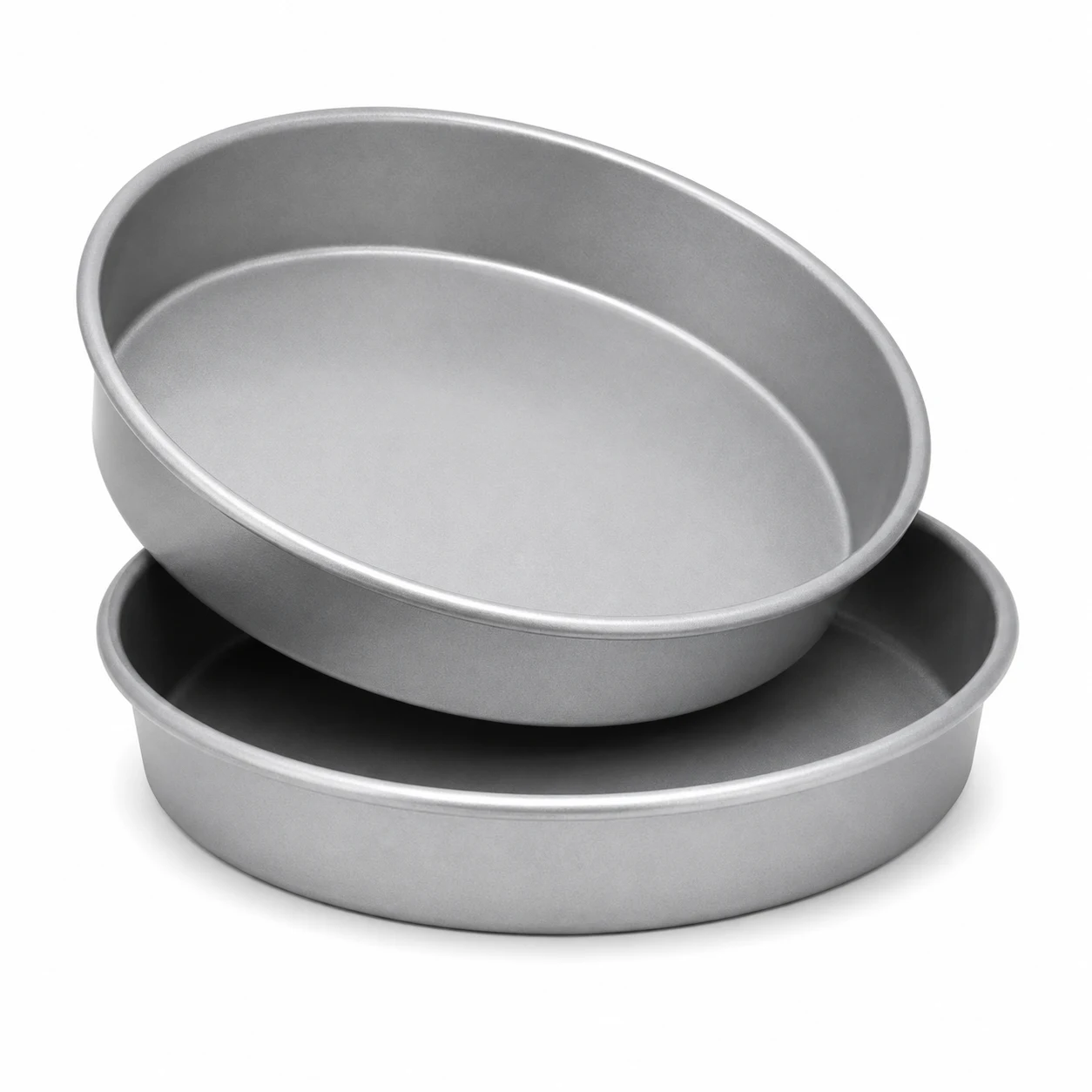
🛒 Wilton Performance Pans Aluminum 9-Inch Round Cake Pans, 2-Piece Set & KitchenAid 5-Speed Ultra Power Hand Mixer
Everything you need to make this dish perfectly:
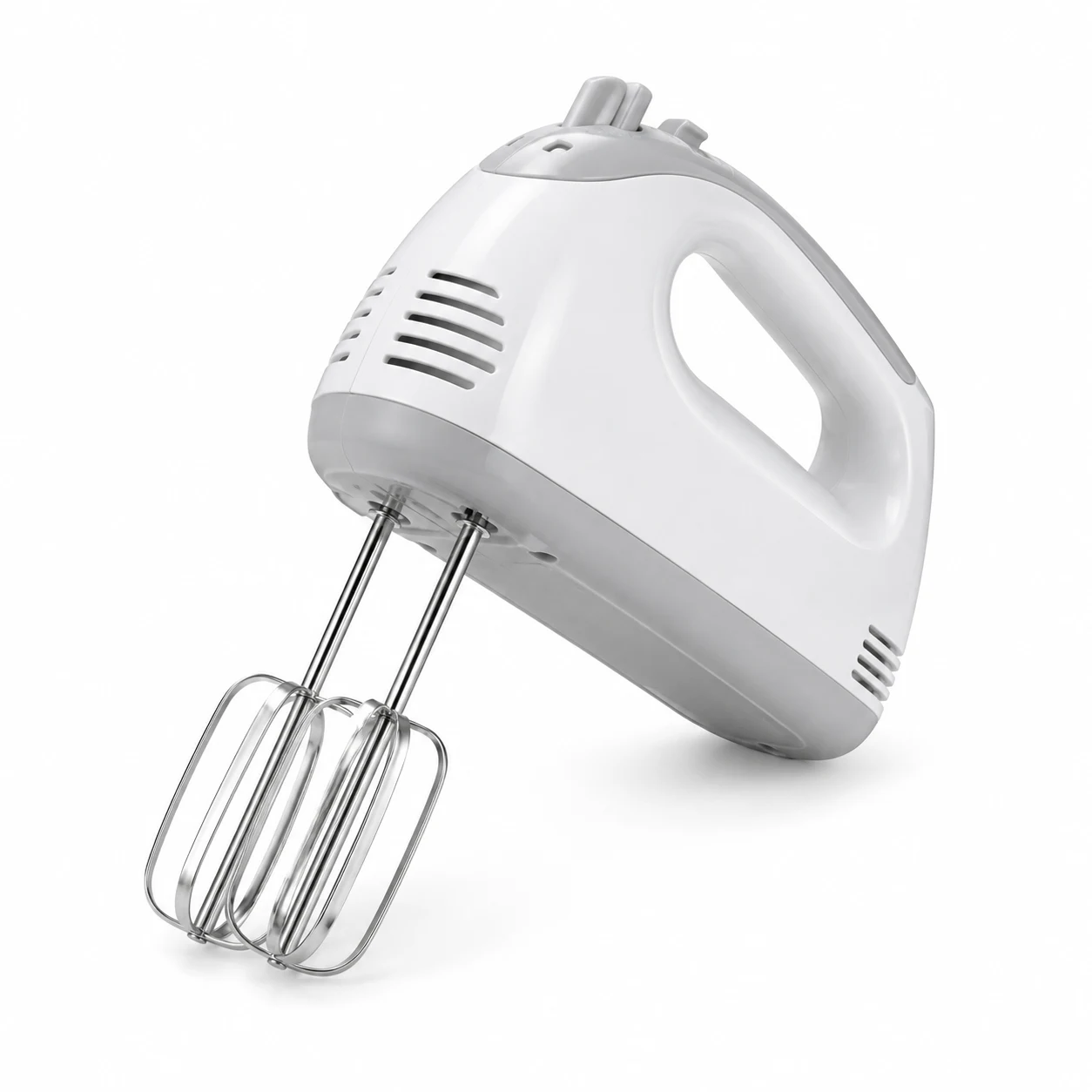
As an Amazon Associate I earn from qualifying purchases.
Make It Tonight!
This Key Lime Cake Recipe turns a handful of everyday baking ingredients into a cake with enough citrus personality to make dessert feel like an event. Keep the frosting generous, don’t overbake the layers, and give the cake time to cool before you decorate it. Then grab a fork before somebody else mysteriously appears in the kitchen.
When life gives you limes, bake the cake.
🍽️ Recipes You Can Try
Loved this one? Here are a few more worth your time.
Key Lime Cake Recipe
Soft, fluffy, and ready in 45 min — this key lime cake recipe recipe is easy to make with simple ingredients and delivers reliable results every time.
💛 Why You’ll Love This Recipe
- ✓2½ cups all-purpose flour — the structural backbone, so please don’t casually scoop it like you’re shoveling snow.
- ✓1½ teaspoons baking powder — gives the layers their lift.
- ✓½ teaspoon baking soda — works with the buttermilk for extra tenderness and rise.
- ✓½ teaspoon fine salt — keeps the sweetness from becoming a one-note situation.
- ✓½ cup unsalted butter, softened — brings richness and buttery flavor.
- ✓1¼ cups granulated sugar — enough sweetness to balance all that lime.
- ✓3 large eggs, room temperature — help bind the batter and create a tender crumb.
- ✓½ cup buttermilk, room temperature — adds moisture and a gentle tang.
- ✓½ cup key lime juice — the main citrus character; bottled works when fresh key limes refuse to cooperate.
- ✓Zest of 2 key limes — tiny flecks, enormous flavor.
- ✓1 teaspoon vanilla extract — rounds out the citrus.
- ✓2 tablespoons neutral oil — keeps the finished cake soft even after chilling.
- ✓8 ounces cream cheese, softened — the tangy frosting hero.
- ✓¼ cup unsalted butter, softened — makes the frosting smoother and richer.
- ✓3½ cups powdered sugar — sweetens and thickens the frosting.
- ✓2 tablespoons key lime juice — adds another hit of citrus.
- ✓1 teaspoon key lime zest — because apparently one lime component was not enough.
- ✓1 teaspoon vanilla extract — smooths out the sharp edges.
- ✓Thin lime slices or extra lime zest — purely for looks, because cake deserves accessories.
- ✓Crushed graham crackers — an easy nod to classic key lime pie.
- ▢Mixing bowls
- ▢Whisk
- ▢Baking pan or muffin tin
- ▢Cooling rack
- ▢Measuring cups/spoons
- 1Heat the oven to 350°F (175°C) and prepare two 9-inch round cake pans. Grease the pans and line the bottoms with parchment, then lightly flour the sides. This Key Lime Cake Recipe releases much more politely when you give it a prepared escape route.
- 2Whisk the flour, baking powder, baking soda, and salt together in a medium bowl. Whisk for about 20 seconds so the leaveners distribute evenly instead of forming tiny chemical neighborhoods throughout the cake.
- 3Beat the softened butter, sugar, and oil for 3–4 minutes until noticeably lighter and fluffy. Scrape the bowl once or twice during mixing; the mixture should look creamy rather than dense and greasy.
- 4Add the eggs one at a time, beating well after each addition. Use room-temperature eggs so they blend smoothly into the butter mixture instead of making the batter look curdled and suspicious.
- 5Combine the buttermilk, key lime juice, lime zest, and vanilla in a separate measuring cup. The mixture will smell sharply citrusy before baking, which is exactly what you want; the oven will soften that raw acidity.
- 6Add the dry ingredients and buttermilk mixture alternately, beginning and ending with the dry ingredients. Mix just until the flour disappears, because overmixing develops gluten and can turn a soft cake into something with the personality of a rubber mat.
- 7Divide the batter evenly between the prepared pans and smooth the tops. Tap each pan gently once on the counter to remove large air pockets, then bake at 350°F (175°C) for 25–30 minutes.
- 8Check the cakes when the centers look set and a toothpick comes out with a few moist crumbs. The tops should spring back lightly when pressed; don’t wait for the toothpick to emerge bone-dry or you’ll bake away the moisture you’re trying to keep.
- 9Cool the cakes in their pans for 10 minutes before transferring them to wire racks. Let them cool completely before frosting. One useful visual cue from testing this style of cake is that a properly cooled layer feels firm underneath but doesn’t feel hard around the edges.
- 10Make the frosting while the cake cools. Beat the softened cream cheese and butter until completely smooth, then gradually beat in the powdered sugar, followed by the key lime juice, zest, and vanilla.
- 11Level the cake layers if necessary before assembling. Place one layer on a serving plate, spread a generous layer of frosting over the top, then add the second layer and frost the top and sides.
- 12Decorate with lime zest, thin lime slices, or a light sprinkle of crushed graham crackers. Refrigerate the finished cake for about 30 minutes if you want cleaner slices, then let it sit at room temperature for 10–15 minutes before serving so the frosting softens.
💡 Tips for Perfect Results
- ✔️Bring butter and eggs to room temperature before mixing for a smoother batter.
- ✔️Don’t overmix the batter — stop as soon as it’s combined to keep it tender.
- ✔️Let baked goods cool completely before cutting or frosting.
🧊 Storage
Store in an airtight container at room temperature for up to 3 days, refrigerate for up to a week, or freeze for up to 3 months.
Nutrition Information
(per serving)* Estimated values based on typical ingredients — actual nutrition may vary. % Daily Values based on a 2,000 calorie diet.
❓ Frequently Asked Questions
Can I use regular limes instead of Key limes in a Key Lime Cake Recipe?
Yes, regular Persian limes make an excellent substitute for Key limes in this cake. Use the same quantity of juice and zest, although the finished cake may have a slightly less distinctive aroma.
How should I store key lime cake?
Store frosted key lime cake covered in the refrigerator for up to 4 days because the cream cheese frosting needs refrigeration. Let individual slices sit at room temperature for about 10–15 minutes before serving for a softer crumb and creamier frosting.
Can I make Key Lime Cake Recipe layers ahead of time?
Yes, you can bake the cake layers up to 1 day ahead and keep them tightly wrapped in the refrigerator. For longer storage, wrap completely cooled unfrosted layers well and freeze them for up to 2 months, then thaw them in the refrigerator before frosting.
Why did my key lime cake turn out dry?
A dry cake usually comes from overbaking or measuring too much flour into the batter. Start checking the layers around 25 minutes and remove them when a toothpick shows a few moist crumbs rather than waiting for it to come out completely clean.
