


By Jamie Cook — Home cook sharing tested recipes from a real kitchen.
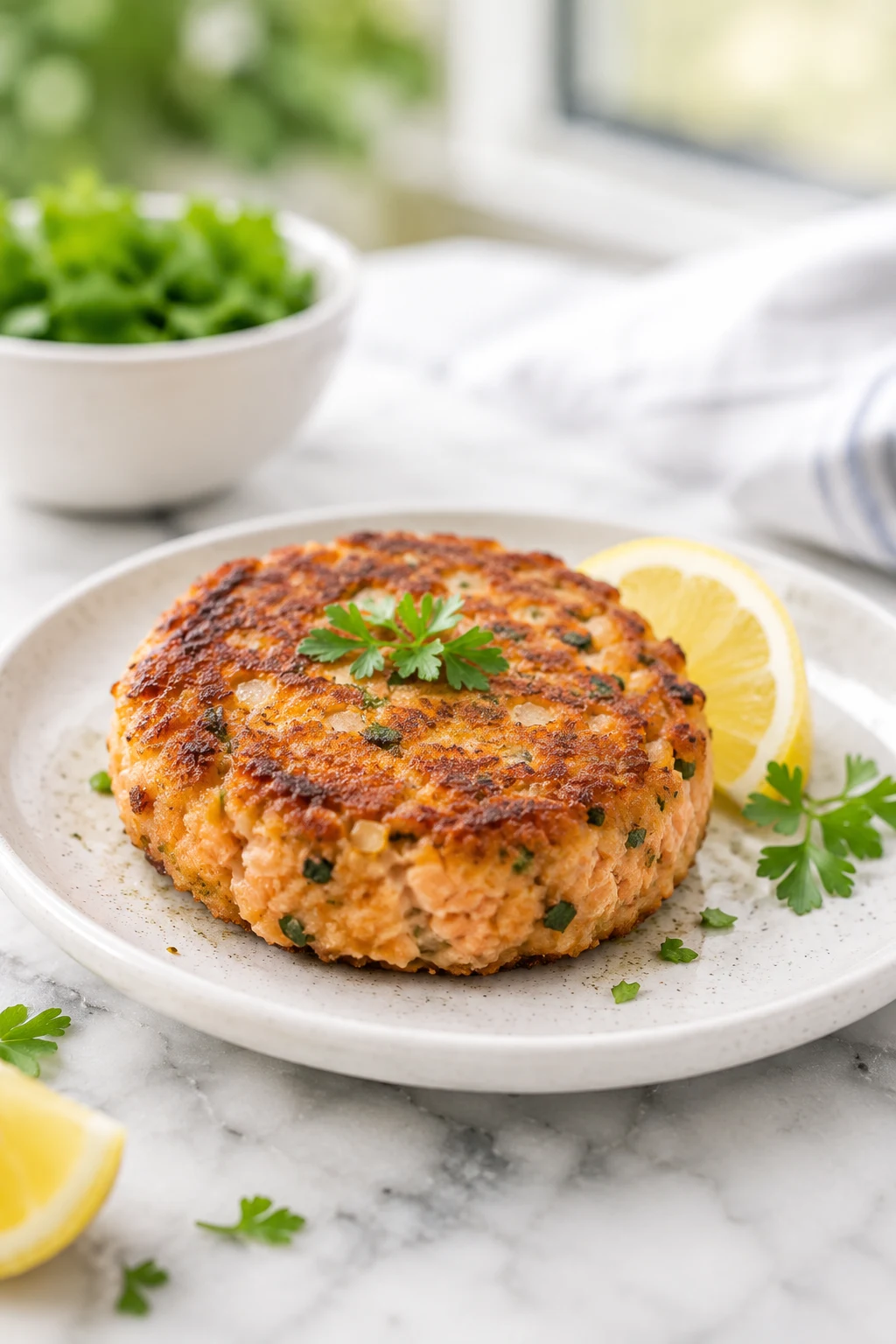
Salmon Patties are the answer when dinner needs to happen fast, your pantry looks suspiciously empty, and everyone still expects something that tastes like you planned ahead. These golden, crispy patties come together with simple ingredients, fry up in minutes, and somehow make canned salmon feel like a smart life decision instead of a backup plan. I’ve made this recipe more times than I can count, and the first batch taught me an important lesson: I got impatient and flipped them too early. They fell apart spectacularly. Wait for that deep golden crust, and they’ll release from the pan without a fight.
Why This Recipe is Awesome
Salmon Patties deliver a crisp crust, a flaky center, and a budget-friendly meal without making your kitchen look like a disaster zone. They beat another boring chicken dinner every single time. You probably already own most of the ingredients, they freeze well, and they’re just as good tucked into a sandwich as they are next to mashed potatoes. Honestly, they’re the overachiever of weeknight dinners, and canned salmon deserves far more respect than it gets.
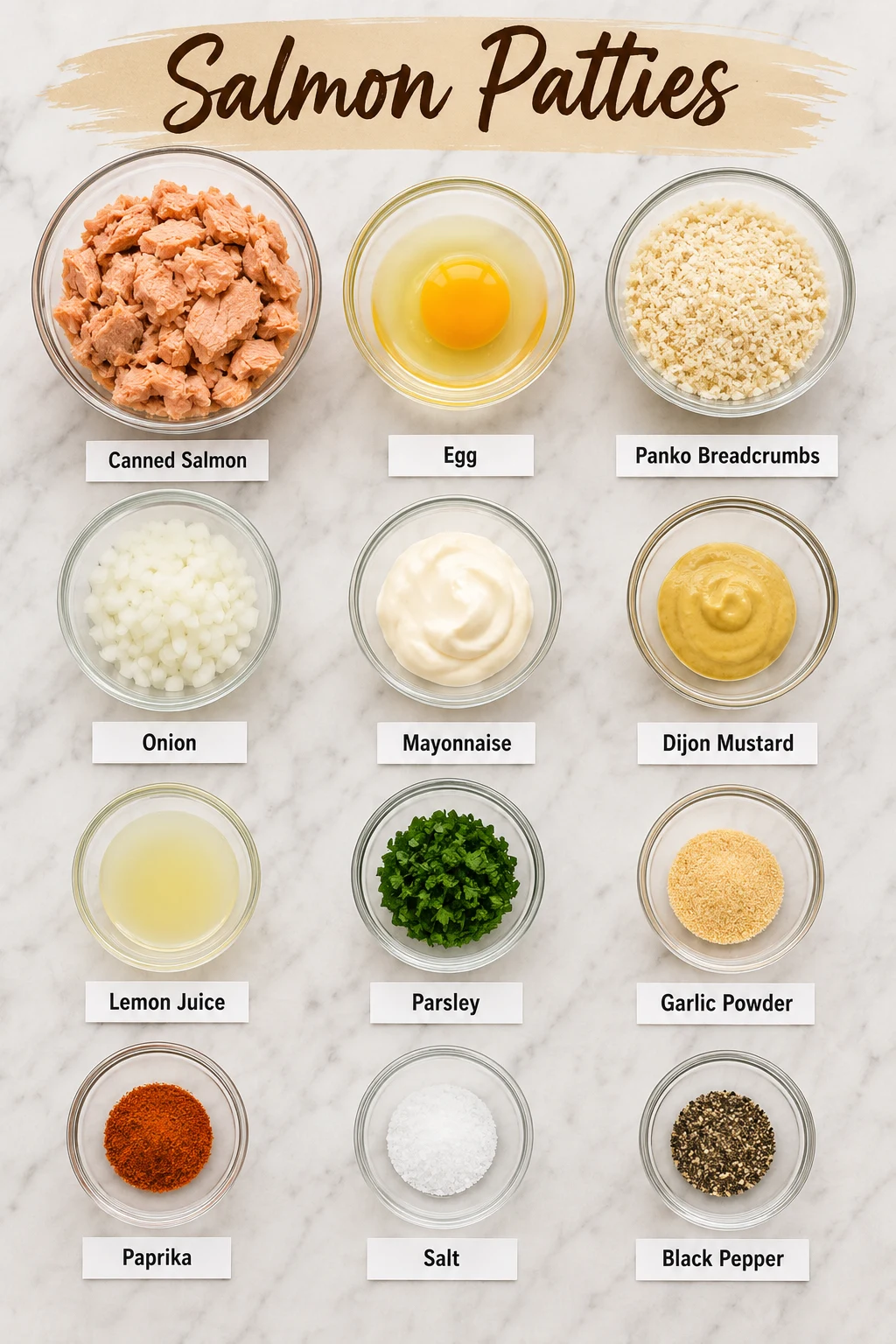
Ingredients You’ll Need
- 14.75 ounces canned salmon, drained — the star of the show (remove large bones if you prefer)
- 1 large egg — the glue that keeps everything together
- 1/2 cup panko breadcrumbs — for a crisp bite instead of a dense one
- 1/4 cup finely diced onion — tiny pieces work best (no giant surprise chunks)
- 2 tablespoons mayonnaise — adds moisture without making things soggy
- 1 tablespoon Dijon mustard — sneaky flavor booster
- 1 tablespoon fresh lemon juice — brightens everything up
- 2 tablespoons chopped fresh parsley — because green things make us feel responsible
- 1 teaspoon garlic powder — easy flavor, zero peeling
- 1/2 teaspoon paprika — brings color and warmth
- 1/2 teaspoon salt — adjust if your salmon is salty
- 1/4 teaspoon black pepper — freshly cracked if possible
- 2 tablespoons vegetable oil — for frying to golden perfection
- Lemon wedges, tartar sauce, or hot sauce for serving — highly recommended
If you love classic seafood dinners, try these crispy fish tacos or pair these patties with creamy coleslaw for an easy meal.
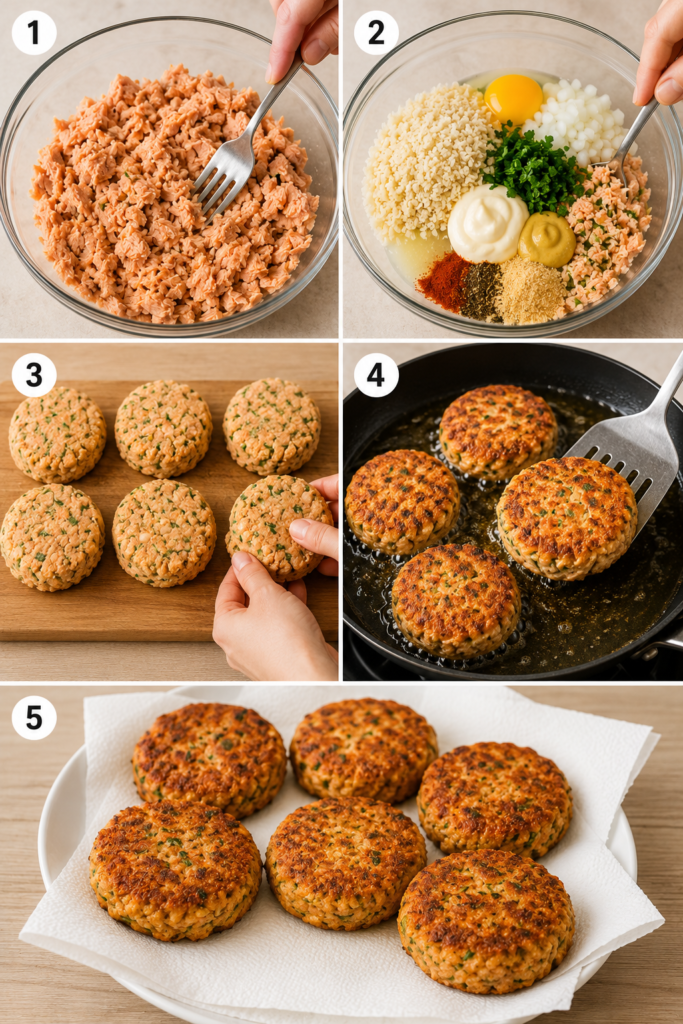
Step-by-Step Instructions
- Drain the salmon thoroughly and transfer it to a large mixing bowl. Break it into flakes with a fork, leaving a little texture instead of mashing it into paste. If you see large bones, remove them, although the tiny soft ones mash easily.
- Add the egg, breadcrumbs, mayonnaise, Dijon mustard, onion, parsley, lemon juice, garlic powder, paprika, salt, and pepper. Stir just until everything comes together. Overmixing makes the mixture dense, and nobody wants hockey pucks for dinner.
- Divide the mixture into 6 equal portions and gently shape them into patties about 3/4 inch thick. I usually chill them for 15 minutes if I have time because they hold together better during cooking—a trick I discovered after one rushed batch tried to become scrambled salmon instead.
- Heat the vegetable oil in a large skillet over medium heat until it shimmers, about 350°F (175°C). Place the Salmon Patties into the pan without crowding them. Cook for 4–5 minutes per side until deeply golden and crisp. Don’t flip early; they should release easily when the crust forms.
- Transfer the patties to a paper towel-lined plate for one minute before serving. You’ll know they’re ready when they smell buttery, the edges look crisp, and the centers stay moist instead of dry.
Common Mistakes to Avoid
- Flipping too soon — let the crust form before touching them.
- Skipping the drain step — extra liquid creates floppy patties.
- Overmixing the salmon — keep some flakes for better texture.
- Cooking over blazing heat — burnt outside, cold inside is not the goal.
- Packing the skillet — give each patty breathing room so it browns instead of steams.
Alternatives & Substitutions
Salmon Patties work well with a few smart swaps. Use crushed saltine crackers instead of panko if that’s what’s in the pantry. Greek yogurt can replace mayonnaise for a lighter texture. Fresh cooked salmon makes excellent patties, though canned salmon gives the classic flavor most people expect. For gluten-free patties, use gluten-free breadcrumbs or crushed rice crackers. I also tried adding fresh dill once instead of parsley, and it gave the patties a brighter, almost restaurant-style finish that paired especially well with lemon.
Frequently Asked Questions
Can I make Salmon Patties ahead of time?
Yes. Shape the patties, cover them tightly, and refrigerate them for up to 24 hours before cooking. Chilling actually helps them hold together better.
Why do my Salmon Patties fall apart?
Salmon patties usually fall apart because the mixture contains too much moisture or not enough binder. Drain the salmon well, measure the breadcrumbs accurately, and avoid flipping before the crust develops.
Can I freeze cooked Salmon Patties?
Yes. Cool them completely, freeze them in a single layer, then transfer them to a freezer-safe container for up to 3 months. Reheat in a 375°F (190°C) oven or an air fryer until hot and crisp.
What should I serve with Salmon Patties?
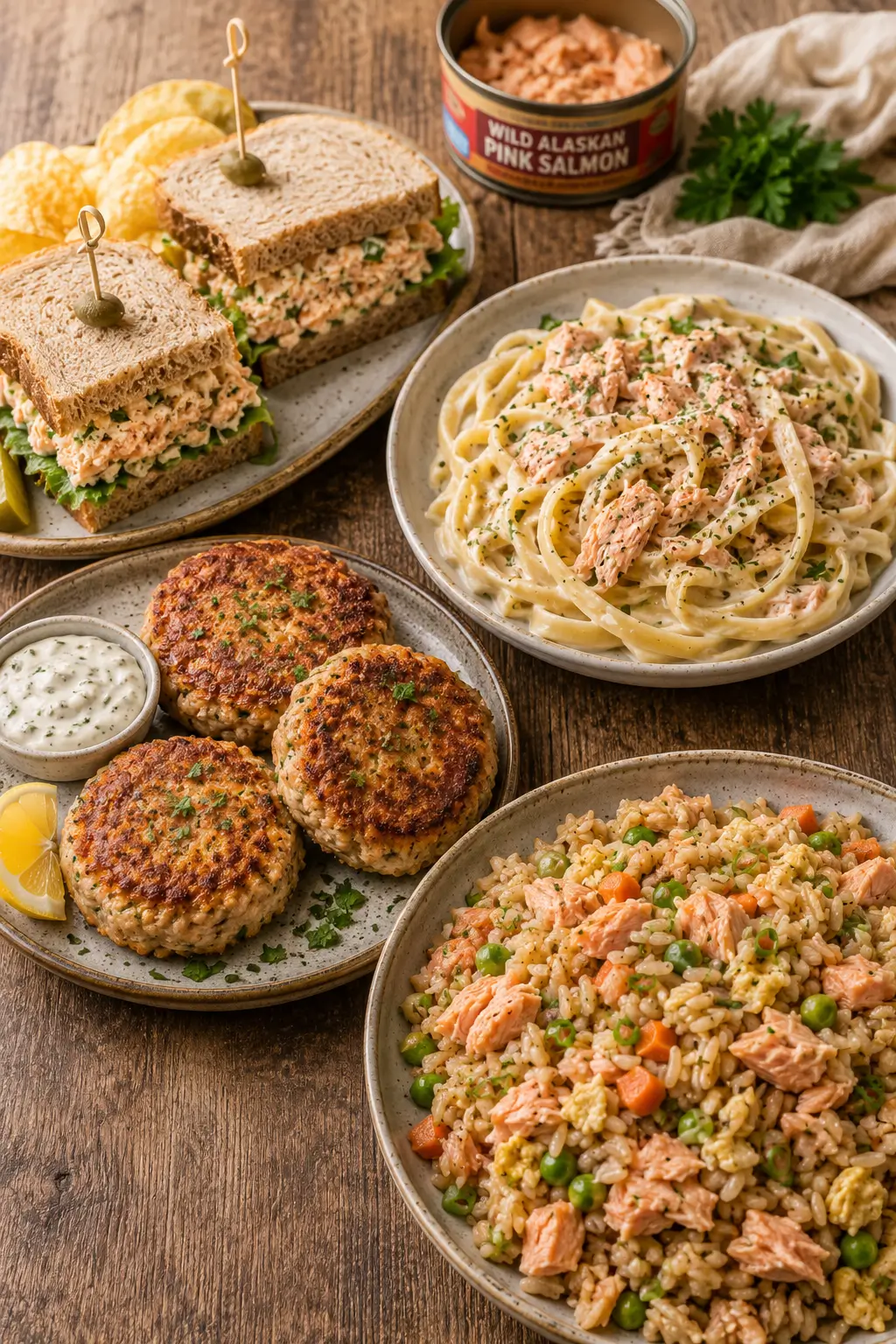
Serve them with roasted potatoes, coleslaw, steamed vegetables, rice, macaroni salad, or a fresh green salad. They’re also excellent on toasted buns with lettuce, tomato, and tartar sauce.
🛒 Lodge 10.25-Inch Cast Iron Skillet & OXO Good Grips Fish Turner Spatula
Everything you need to make this dish perfectly:
As an Amazon Associate I earn from qualifying purchases.
Make It Tonight!
This recipe proves that a humble can of salmon can turn into something you’ll actually look forward to eating. The crispy edges, flaky center, and bright lemon flavor make these Salmon Patties feel far more special than the ingredient list suggests. Once you master the golden crust, you’ll wonder why you didn’t start making them years ago. Grab a skillet, trust the process, and let dinner earn a standing ovation. copykat.com+2billyparisi.com+2
🍽️ Recipes You Can Try
Loved this one? Here are a few more worth your time.
Salmon Patties
- ✓14.75 ounces canned salmon, drained — the star of the show (remove large bones if you prefer)
- ✓1 large egg — the glue that keeps everything together
- ✓1/2 cup panko breadcrumbs — for a crisp bite instead of a dense one
- ✓1/4 cup finely diced onion — tiny pieces work best (no giant surprise chunks)
- ✓2 tablespoons mayonnaise — adds moisture without making things soggy
- ✓1 tablespoon Dijon mustard — sneaky flavor booster
- ✓1 tablespoon fresh lemon juice — brightens everything up
- ✓2 tablespoons chopped fresh parsley — because green things make us feel responsible
- ✓1 teaspoon garlic powder — easy flavor, zero peeling
- ✓1/2 teaspoon paprika — brings color and warmth
- ✓1/2 teaspoon salt — adjust if your salmon is salty
- ✓1/4 teaspoon black pepper — freshly cracked if possible
- ✓2 tablespoons vegetable oil — for frying to golden perfection
- ✓Lemon wedges, tartar sauce, or hot sauce for serving — highly recommended
- 1Drain the salmon thoroughly and transfer it to a large mixing bowl. Break it into flakes with a fork, leaving a little texture instead of mashing it into paste. If you see large bones, remove them, although the tiny soft ones mash easily.
- 2Add the egg, breadcrumbs, mayonnaise, Dijon mustard, onion, parsley, lemon juice, garlic powder, paprika, salt, and pepper. Stir just until everything comes together. Overmixing makes the mixture dense, and nobody wants hockey pucks for dinner.
- 3Divide the mixture into 6 equal portions and gently shape them into patties about 3/4 inch thick. I usually chill them for 15 minutes if I have time because they hold together better during cooking—a trick I discovered after one rushed batch tried to become scrambled salmon instead.
- 4Heat the vegetable oil in a large skillet over medium heat until it shimmers, about 350°F (175°C). Place the Salmon Patties into the pan without crowding them. Cook for 4–5 minutes per side until deeply golden and crisp. Don’t flip early; they should release easily when the crust forms.
- 5Transfer the patties to a paper towel-lined plate for one minute before serving. You’ll know they’re ready when they smell buttery, the edges look crisp, and the centers stay moist instead of dry.
📝 Chef’s Notes
Store leftovers in an airtight container in the refrigerator for best freshness. Let come to room temperature before serving for the best texture and flavor.
Nutrition Information
(per serving)* Estimated values based on typical ingredients — actual nutrition may vary. % Daily Values based on a 2,000 calorie diet.
