


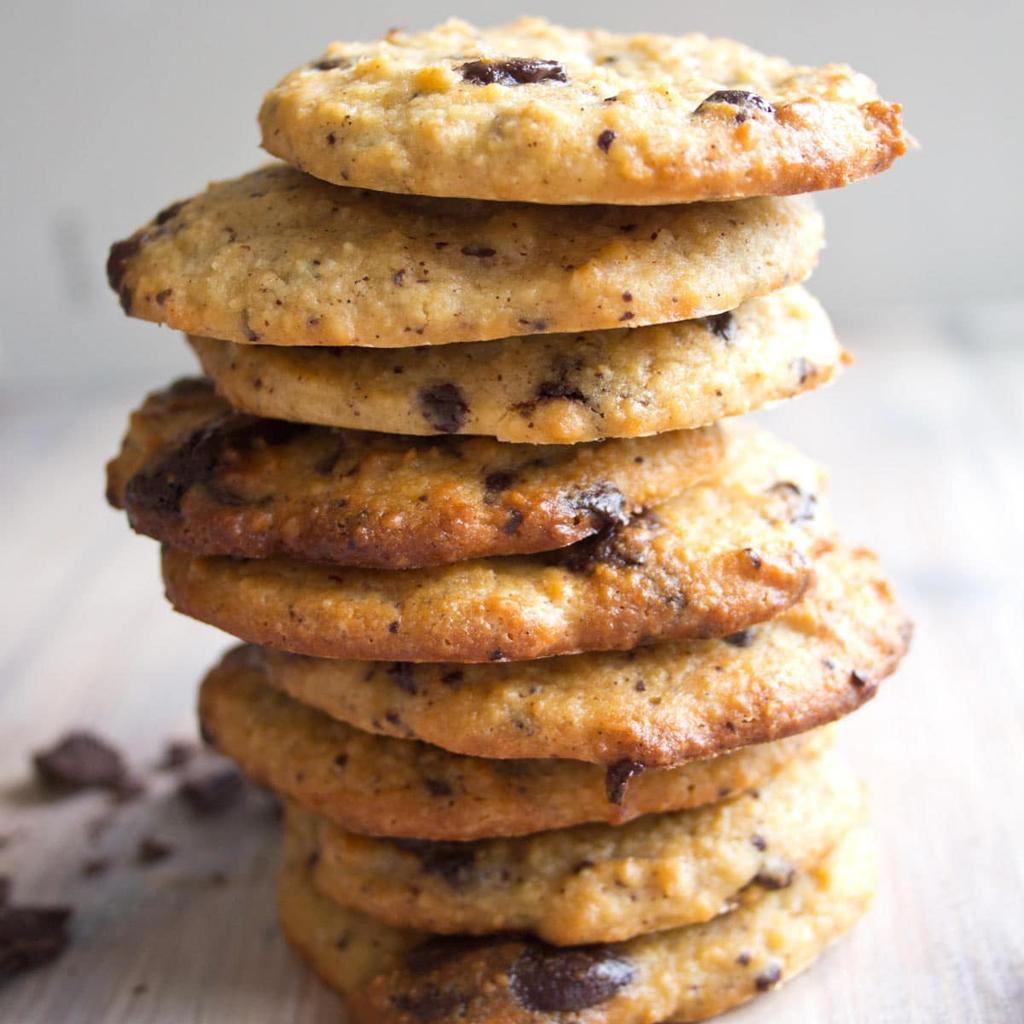
Some cookies ask for chill time, specialty flours, and more patience than a busy evening allows. This version keeps things simple, so keto cookies easy enough for beginners can still come out rich, tender, and deeply satisfying.
Introduction to easy keto cookies
Can a low-carb cookie go from mixing bowl to cooling rack in about 30 minutes, when many classic homemade cookie recipes take 40 minutes or more once prep, baking, and cooling are counted?
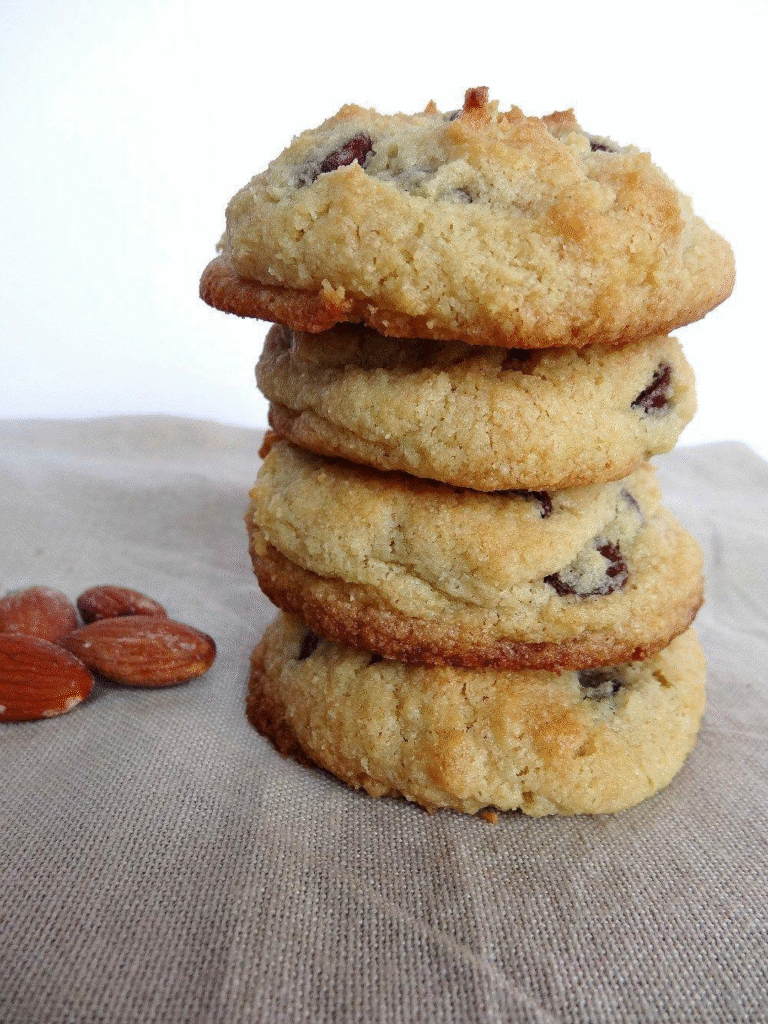
Yes, and that is exactly why this recipe works so well for home cooks. These easy keto cookies use familiar pantry staples, rely on almond flour for a soft, bakery-style bite, and skip the long chill time that often slows down low-carb baking. The result is a sugar-free cookie with crisp edges, a tender center, and a balanced sweetness that feels like a real treat instead of a compromise.
If you have tried keto baking before, you already know texture can make or break the experience. Too much coconut flour can turn cookies dry. Too little fat can make them chalky. This recipe keeps the ratio simple, which helps create a dependable cookie dough even if this is your first batch of low-carb dessert recipes.
Ingredients for easy keto cookies
A short ingredient list is one of the biggest reasons these cookies fit into weeknight baking. You do not need hard-to-find items, and you can still adjust the recipe to match what is already in your kitchen.
- Blanched almond flour: 2 cups, fine-textured for a soft crumb and smooth bite
- Granular monk fruit sweetener or erythritol blend: 1/3 cup, for clean sweetness without added sugar
- Baking powder: 1 teaspoon, to keep the cookies light instead of dense
- Fine sea salt: 1/4 teaspoon, to sharpen the buttery, vanilla flavor
- Unsalted butter, melted and cooled: 1/4 cup, or use coconut oil for a dairy-free option
- Large egg: 1, for structure and moisture
- Vanilla extract: 1 teaspoon, for warmth and classic cookie aroma
- Sugar-free chocolate chips: 1/3 cup, optional, though highly recommended
- Xanthan gum: 1/4 teaspoon optional, helpful if you want a slightly chewier texture
A few smart substitutions can make the recipe more flexible. Sunflower seed flour can replace almond flour in a 1:1 swap if you need a nut-free option, though the cookies may turn faintly green from a natural reaction with baking ingredients. That is harmless. If you use coconut flour, do not swap it directly. Coconut flour absorbs much more liquid, so the dough will need a full reformulation.
To make the process even smoother, a medium mixing bowl, silicone spatula, cookie scoop, parchment paper, and wire rack are the only tools that truly matter. A cookie scoop is especially useful because it keeps the portions even, which helps all the cookies bake at the same rate.
Timing for easy keto cookies
Speed matters when you want homemade dessert without turning the evening into a project. These keto cookies stay efficient because the dough mixes quickly and does not need extended resting time.
| Task | Time | Notes |
|---|---|---|
| Prep time | 10 minutes | Measure, mix, and portion |
| Bake time | 10 to 12 minutes | Depends on cookie size and oven accuracy |
| Cooling time | 8 minutes | Important for setting texture |
| Total time | 28 to 30 minutes | Often quicker than many traditional cookie recipes |
That total is often 20 to 30 percent faster than cookie recipes that require creaming chilled butter, resting the dough, or baking multiple trays. If your oven runs hot, start checking at the 9-minute mark.
Step-by-step instructions for easy keto cookies
Step 1: Preheat the oven and prepare the baking sheet
Set the oven to 350°F and line a baking sheet with parchment paper. This small step matters because keto doughs can brown quickly on bare metal, especially when almond flour and sugar-free sweeteners are involved.
If you want more even baking, place the rack in the center of the oven. That helps the cookies color gently instead of darkening too fast on the bottom.
Step 2: Mix the dry ingredients for keto cookie dough
In a medium bowl, whisk together the almond flour, sweetener, baking powder, salt, and xanthan gum if using. Break up any clumps with the back of the whisk so the dough stays smooth.
A fine almond flour makes a visible difference here. Almond meal can work in a pinch, but it creates a rougher texture and a more fragile cookie.
Step 3: Combine the wet ingredients for a smooth base
In a second bowl, stir the melted and cooled butter, egg, and vanilla until the mixture looks glossy and fully blended. The butter should be warm at most, not hot, so it does not affect the egg.
Pour the wet mixture into the dry ingredients and fold with a spatula until a soft dough forms. Stir in the sugar-free chocolate chips last, if you are using them.
Step 4: Adjust the dough texture before portioning
The dough should feel soft, slightly thick, and scoopable. If it seems too loose, let it sit for 2 to 3 minutes so the almond flour can absorb moisture. If it still feels wet, add 1 tablespoon almond flour. If it looks dry or crumbly, add 1 teaspoon heavy cream or unsweetened almond milk.
This is the point where you can shape the outcome. For a chewier cookie, keep the dough a little thicker. For flatter cookies with crisp edges, press the portions down a bit more before baking.
Step 5: Portion the cookies for even baking
Scoop the dough into 12 equal portions and place them on the baking sheet with space between each one. Gently flatten each mound with your fingertips or the bottom of a glass.
Even size matters more than most people think. A consistent shape helps every cookie finish at the same time, which keeps the batch from ending up half pale and half overdone.
Step 6: Bake the keto cookies and cool them properly
Bake for 10 to 12 minutes, until the edges are lightly golden and the centers look just set. Do not wait for a deep brown color. Keto cookies continue to firm up as they cool.
Let the cookies rest on the baking sheet for 5 minutes, then move them to a wire rack. This cooling step is where the texture settles into that ideal balance of crisp rim and tender middle.
Nutritional information for easy keto cookies
Nutrition can vary based on the sweetener brand, the chocolate chips you choose, and whether you make 10 larger cookies or 12 standard ones. The estimates below are based on a 12-cookie batch with sugar-free chocolate chips included.
| Nutrition per cookie | Amount |
|---|---|
| Calories | 115 |
| Fat | 10 g |
| Protein | 3 g |
| Total carbohydrates | 4 g |
| Fiber | 2 g |
| Net carbs | 2 g |
| Sugar | Under 1 g |
That net carb count makes these cookies a practical keto dessert, especially for readers looking for sugar-free cookies that still feel familiar. They also fit nicely into gluten-free meal plans because almond flour contains no wheat.
Healthier alternatives for keto cookies
A strong recipe should adapt well, and this one does. If you want a dairy-free version, use melted coconut oil instead of butter. The cookies will be slightly more delicate, though still flavorful. If you prefer a less sweet cookie, reduce the sweetener by 1 to 2 tablespoons and add a pinch of cinnamon or a little extra vanilla to round out the flavor.
For a nut-free adjustment, sunflower seed flour is the most practical swap. If you try it, add 1 teaspoon lemon juice to the wet ingredients to help reduce the green tint that sometimes appears during baking. The taste stays pleasant either way.
You can also make the cookies feel a little more balanced for everyday snacking. Stir in unsweetened shredded coconut, chopped pecans, or a spoonful of chia seeds for texture and fiber. A little espresso powder or orange zest can also make the flavor feel richer without adding carbs.
Serving suggestions for keto cookies
These cookies are flexible enough to move from afternoon snack to after-dinner dessert. Serve them slightly warm with coffee, black tea, or unsweetened almond milk if you want the classic cookie experience with a lower-carb profile.
For a more plated dessert, sandwich two cookies with a thin layer of whipped cream cheese or mascarpone. If you like contrast, pair them with plain Greek yogurt and a few raspberries. The tart fruit lifts the sweetness and keeps the dish feeling fresh.
They also work well as part of a make-ahead snack box. Add a couple of cookies beside nuts, cheese, or hard-boiled eggs for a more satisfying low-carb option during the week.
Common mistakes when making keto cookies
Most keto cookie problems come down to moisture, heat, or ingredient texture. A few small adjustments can turn a frustrating batch into a dependable one.
- Overbaking: Pull the cookies when the centers look barely set, because they firm up as they cool
- Using coarse almond meal: Expect a grittier texture and more fragile cookies
- Skipping the short dough rest: Almond flour needs a minute to absorb moisture and settle
- Adding hot butter: Excess heat can affect the egg and change the dough consistency
- Crowding the pan: Better airflow helps the cookies brown evenly and hold shape
If your first tray spreads more than expected, flatten the next tray a little less and chill the dough for 5 minutes. Small course corrections work well with this recipe.
Storing easy keto cookies
These cookies keep their texture surprisingly well if you store them with a little care. Let them cool fully before sealing them, or trapped steam will soften the edges.
- Airtight container at room temperature for up to 3 days
- Refrigerator storage for up to 1 week
- Freezer storage for baked cookies up to 2 months
- Scooped raw dough frozen on a tray, then transferred to a freezer bag
- A quick 10-second warm-up in the microwave to refresh texture
If you like batch prep, mix the dry ingredients in advance and store them in a jar. Then you only need to add the wet ingredients when the craving hits.
Try these easy keto cookies this week
These cookies deliver buttery flavor, crisp edges, and low net carbs with pantry-friendly ingredients and a 30-minute timeline. Bake a batch, make it your own with chocolate chips or spices, then share your review in the comments and subscribe for more smart, easy recipes and helpful cooking updates this week.
FAQs about easy keto cookies
Can I make these keto cookies without almond flour?
Yes, though the best substitute is sunflower seed flour, not coconut flour. Coconut flour absorbs much more liquid, so a direct swap will make the dough too dry. If you need a nut-free version, sunflower seed flour is the easiest path.
Why are my keto cookies crumbly?
Crumbly cookies usually mean the dough is too dry or the cookies were baked too long. Measure almond flour carefully, give the dough a short rest, and remove the cookies when the centers still look softly set.
Which sweetener works best for keto cookies?
Monk fruit blends and erythritol blends both work well. Powdered sweeteners give a smoother texture, while granular sweeteners can create slightly crispier edges. If you are sensitive to cooling aftertaste, choose a monk fruit blend designed for baking.
Can I use coconut flour instead of almond flour?
Not as a direct 1:1 substitute. Coconut flour is far more absorbent, so the full ratio of wet and dry ingredients would need to change. If you want dependable results, stick with almond flour or sunflower seed flour for this recipe.
Are these cookies gluten-free?
Yes. Almond flour is naturally gluten-free, and the rest of the ingredients are commonly used in gluten-free baking. Still, check labels on chocolate chips, vanilla extract, and sweeteners if cross-contact is a concern.
Can I make the dough ahead of time?
Absolutely. You can refrigerate the dough for up to 24 hours or freeze portioned dough balls for longer storage. If baking from chilled dough, add 1 to 2 extra minutes in the oven and watch the edges closely.
