



By Jamie Cook — Home cook sharing tested recipes from a real kitchen.
healthy lemon bread is what you bake when you want your kitchen to smell like sunshine but your snack still has a sensible side. This loaf packs bright lemon flavor, uses whole wheat flour for extra fiber, swaps part of the fat with Greek yogurt, and skips the mountain of sugar that many coffee shop versions hide inside. I made this on a rainy afternoon expecting something a little dense. Instead, the loaf rose beautifully, and the lemon zest practically perfumed the entire kitchen before it even finished baking. If you like quick breads that work for breakfast, afternoon coffee, or a late-night snack, this one’s about to earn a permanent spot in your recipe box. Popular healthy versions typically rely on Greek yogurt, whole grains, and fresh citrus for moisture and flavor, and those are exactly the ideas this recipe builds on. Feel Good Foodie+2Real Life Nutritionist+2
Why This Recipe is Awesome
This healthy lemon bread tastes like someone finally admitted a loaf doesn’t need half a cup of frosting to be interesting. Fresh lemon zest does the heavy lifting, Greek yogurt keeps every slice soft, and a little honey adds sweetness without turning breakfast into dessert pretending to wear a disguise. Bake it once, and suddenly those overpriced coffee shop slices start looking like bad financial decisions.
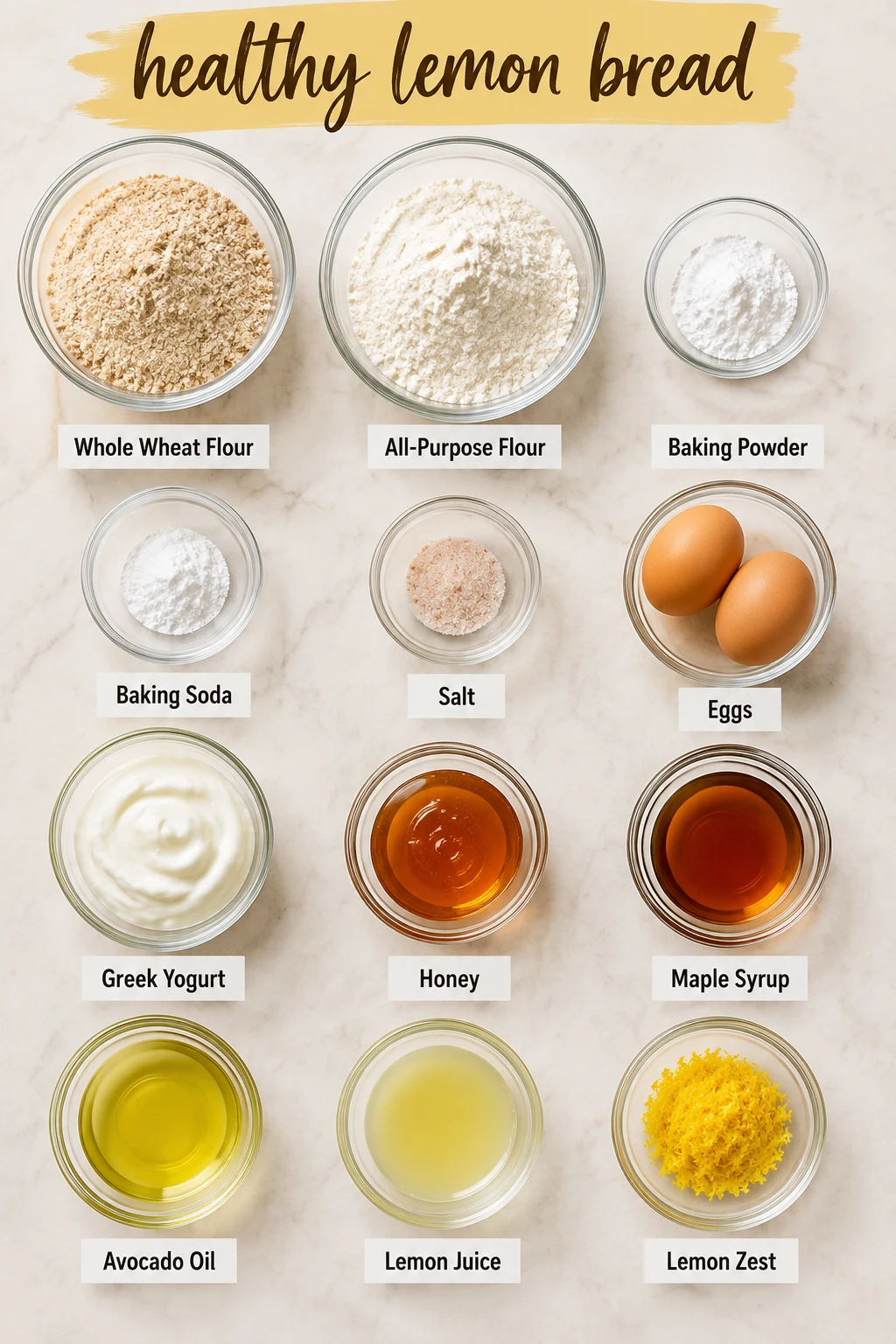
Ingredients You’ll Need
- 1 cup whole wheat flour — brings fiber without making the loaf heavy.
- 1 cup all-purpose flour — keeps everything fluffy instead of brick-like.
- 2 teaspoons baking powder — your insurance policy against sad, flat bread.
- 1/2 teaspoon baking soda — gives the yogurt a helping hand.
- 1/4 teaspoon salt — tiny amount, huge difference.
- 2 large eggs — room temperature if you remembered… no judgment if not.
- 3/4 cup plain Greek yogurt — the secret to a tender crumb.
- 1/4 cup honey — sweet enough without overdoing it.
- 2 tablespoons maple syrup — because lemons deserve a little backup.
- 1/4 cup avocado oil — neutral flavor and great texture.
- 2 tablespoons fresh lemon juice — bottled juice just isn’t invited today.
- 2 tablespoons finely grated lemon zest — don’t skip this; it’s where the magic lives.
- 1 teaspoon vanilla extract — smooths out the citrus.
- 1 tablespoon poppy seeds (optional) — tiny crunch, big personality.
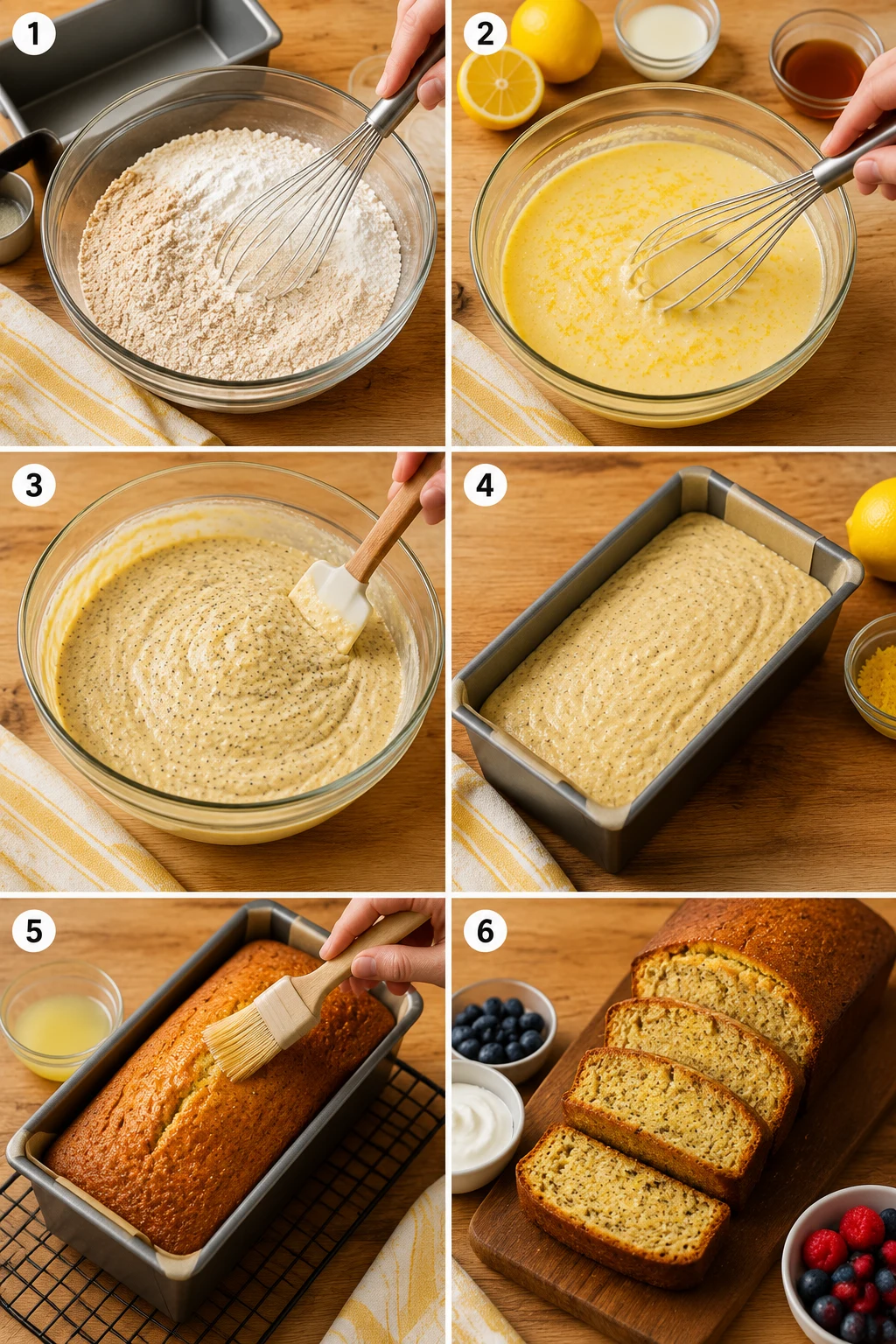
Step-by-Step Instructions
- Preheat your oven to 350°F (175°C) and grease or line a 9×5-inch loaf pan. Mix the whole wheat flour, all-purpose flour, baking powder, baking soda, and salt in one bowl until everything looks evenly combined.
- Whisk the eggs, Greek yogurt, honey, maple syrup, avocado oil, vanilla, lemon juice, and lemon zest in another bowl. I learned the hard way not to rush this step—the first time I barely mixed the yogurt, and little white streaks baked into the loaf.
- Fold the dry ingredients into the wet ingredients gently until you no longer see dry flour. Stir in the poppy seeds if you’re using them, but stop mixing before you convince yourself “one more stir” matters.
- Pour the batter into the prepared pan and smooth the top. Bake for 45–55 minutes, until a toothpick comes out with a few moist crumbs and the top turns golden with a light crack down the center. This healthy lemon bread should spring back lightly when you press the middle.
- Cool the loaf in the pan for 10 minutes, then transfer it to a wire rack. I like to brush the warm loaf with an extra teaspoon of fresh lemon juice because I tried it once by accident, and the citrus aroma became noticeably brighter without making the bread soggy.
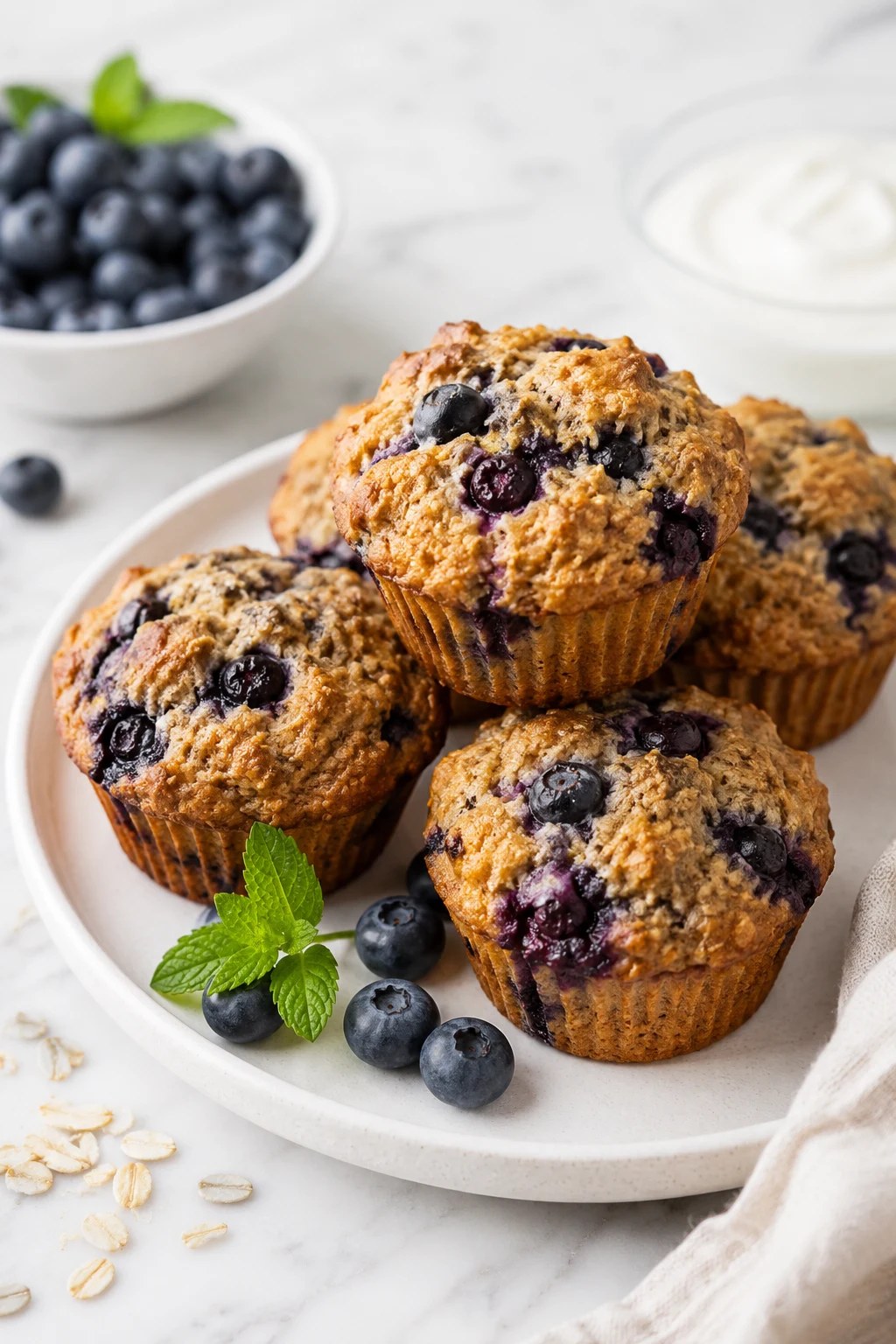
- Slice only after the loaf cools completely. Pair it with yogurt, fresh berries, or enjoy it as-is alongside healthy blueberry muffins or banana oat bread for a homemade breakfast spread.
Common Mistakes to Avoid
- Using bottled lemon juice instead of fresh — your taste buds will notice.
- Skipping the zest — that’s where most of the lemon flavor hides.
- Overmixing the batter — chewy quick bread isn’t a personality trait.
- Opening the oven every five minutes — your loaf isn’t a reality show contestant.
- Slicing while it’s piping hot — patience saves you from crumbly chaos.
Alternatives & Substitutions
Healthy lemon bread adapts surprisingly well to different diets. Swap the Greek yogurt for a thick dairy-free yogurt if needed. Replace the honey with maple syrup for a fully refined-sugar-free loaf. Use a good gluten-free 1:1 baking flour blend if gluten isn’t your friend. If you only have olive oil, choose a light one instead of an intensely peppery variety unless you’re aiming for “lemon salad dressing, but bread.”
Frequently Asked Questions
Can I freeze healthy lemon bread?
Yes. Wrap the cooled loaf tightly in plastic wrap and foil, then freeze for up to 3 months. Thaw overnight in the refrigerator or for a few hours at room temperature.
Why did my lemon bread turn out dense?
Dense bread usually comes from overmixing or using expired baking powder. Mix only until the flour disappears, and check that your leavening is fresh before baking.
Can I make this recipe ahead of time?
Yes. The flavor actually deepens by the next day as the lemon zest continues to infuse the loaf. Store it in an airtight container at room temperature for up to 3 days or refrigerate for up to a week.
Can I use only whole wheat flour?
You can, but expect a denser loaf. I prefer using half whole wheat and half all-purpose flour because it keeps the bread lighter while still adding whole-grain goodness.
🛒 KitchenAid Classic Series 4.5-Quart Tilt-Head Stand Mixer & Nielsen-Massey Pure Lemon Extract
Everything you need to make this dish perfectly:
As an Amazon Associate I earn from qualifying purchases.
Make It Tonight!
This healthy lemon bread proves you don’t need a mountain of sugar or butter to bake something worth looking forward to. Fresh lemons, Greek yogurt, and a few pantry staples do all the heavy lifting. Bake one loaf for yourself, and don’t be surprised if the second disappears into someone else’s kitchen as a “totally spontaneous” gift. Bake it once, trust your nose, and let the lemons do the bragging.
🍽️ Recipes You Can Try
Loved this one? Here are a few more worth your time.



Healthy lemon bread
- ✓1 cup whole wheat flour — brings fiber without making the loaf heavy.
- ✓1 cup all-purpose flour — keeps everything fluffy instead of brick-like.
- ✓2 teaspoons baking powder — your insurance policy against sad, flat bread.
- ✓1/2 teaspoon baking soda — gives the yogurt a helping hand.
- ✓1/4 teaspoon salt — tiny amount, huge difference.
- ✓2 large eggs — room temperature if you remembered… no judgment if not.
- ✓3/4 cup plain Greek yogurt — the secret to a tender crumb.
- ✓1/4 cup honey — sweet enough without overdoing it.
- ✓2 tablespoons maple syrup — because lemons deserve a little backup.
- ✓1/4 cup avocado oil — neutral flavor and great texture.
- ✓2 tablespoons fresh lemon juice — bottled juice just isn’t invited today.
- ✓2 tablespoons finely grated lemon zest — don’t skip this; it’s where the magic lives.
- ✓1 teaspoon vanilla extract — smooths out the citrus.
- ✓1 tablespoon poppy seeds (optional) — tiny crunch, big personality.
- 1Preheat your oven to 350°F (175°C) and grease or line a 9×5-inch loaf pan. Mix the whole wheat flour, all-purpose flour, baking powder, baking soda, and salt in one bowl until everything looks evenly combined.
- 2Whisk the eggs, Greek yogurt, honey, maple syrup, avocado oil, vanilla, lemon juice, and lemon zest in another bowl. I learned the hard way not to rush this step—the first time I barely mixed the yogurt, and little white streaks baked into the loaf.
- 3Fold the dry ingredients into the wet ingredients gently until you no longer see dry flour. Stir in the poppy seeds if you’re using them, but stop mixing before you convince yourself "one more stir" matters.
- 4Pour the batter into the prepared pan and smooth the top. Bake for 45–55 minutes, until a toothpick comes out with a few moist crumbs and the top turns golden with a light crack down the center. This healthy lemon bread should spring back lightly when you press the middle.
- 5Cool the loaf in the pan for 10 minutes, then transfer it to a wire rack. I like to brush the warm loaf with an extra teaspoon of fresh lemon juice because I tried it once by accident, and the citrus aroma became noticeably brighter without making the bread soggy.
- 6Slice only after the loaf cools completely. Pair it with yogurt, fresh berries, or enjoy it as-is alongside healthy blueberry muffins or banana oat bread for a homemade breakfast spread.
📝 Chef’s Notes
Store leftovers in an airtight container in the refrigerator for best freshness. Let come to room temperature before serving for the best texture and flavor.
Nutrition Information
(per serving)* Estimated values based on typical ingredients — actual nutrition may vary. % Daily Values based on a 2,000 calorie diet.
