


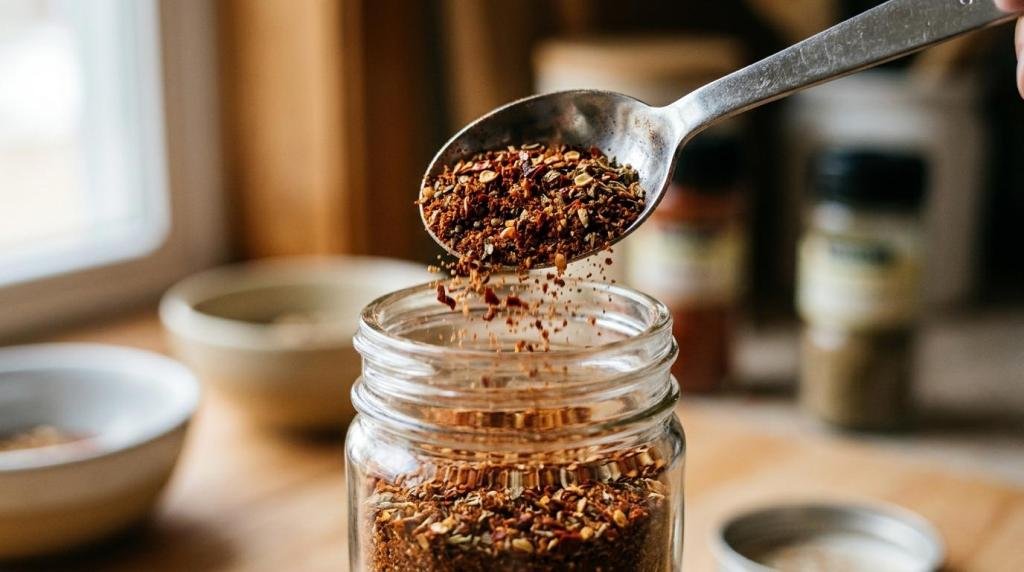
Make copycat McCormick chili seasoning in 5 minutes with pantry spices for bold, customizable flavor in chili, tacos, and more.
Why buy a seasoning packet every time chili night rolls around when a five-minute pantry mix can give you better flavor control, a fresher spice profile, and enough blend for multiple meals? That is the appeal of a homemade copycat McCormick chili seasoning: familiar taste, flexible heat, and a recipe you can adjust to fit your own pot.
If you like weeknight chili, bean chili, turkey chili, taco bowls, or even roasted potatoes with a smoky kick, this chili spice blend earns a permanent spot in the cabinet.
Introduction to Homemade Copycat McCormick Chili Seasoning
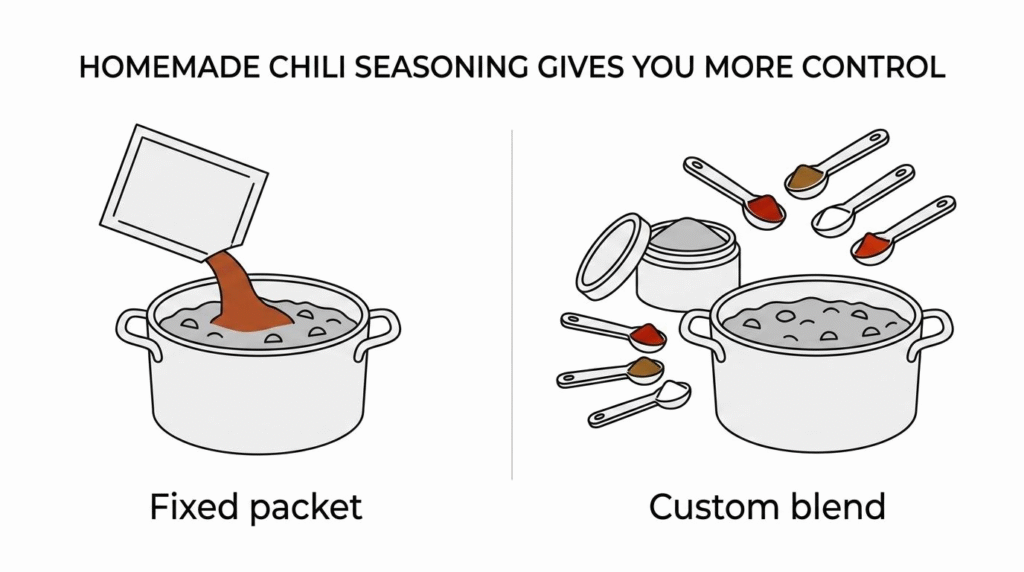
A good store-bought packet is convenient, but convenience is not the same as value. Many seasoning packets rely heavily on salt, a thickener, and standard pantry spices. When you make your own homemade chili seasoning, you keep the convenience while choosing the balance of cumin, paprika, garlic powder, onion powder, oregano, black pepper, and cayenne yourself.
This copycat McCormick chili seasoning is built for home cooks who want the classic packet flavor without the guesswork. It is warm, slightly smoky, savory, and easy to scale. One small batch can season a full pot of chili today and still leave enough for taco meat or a quick bean skillet later in the week.
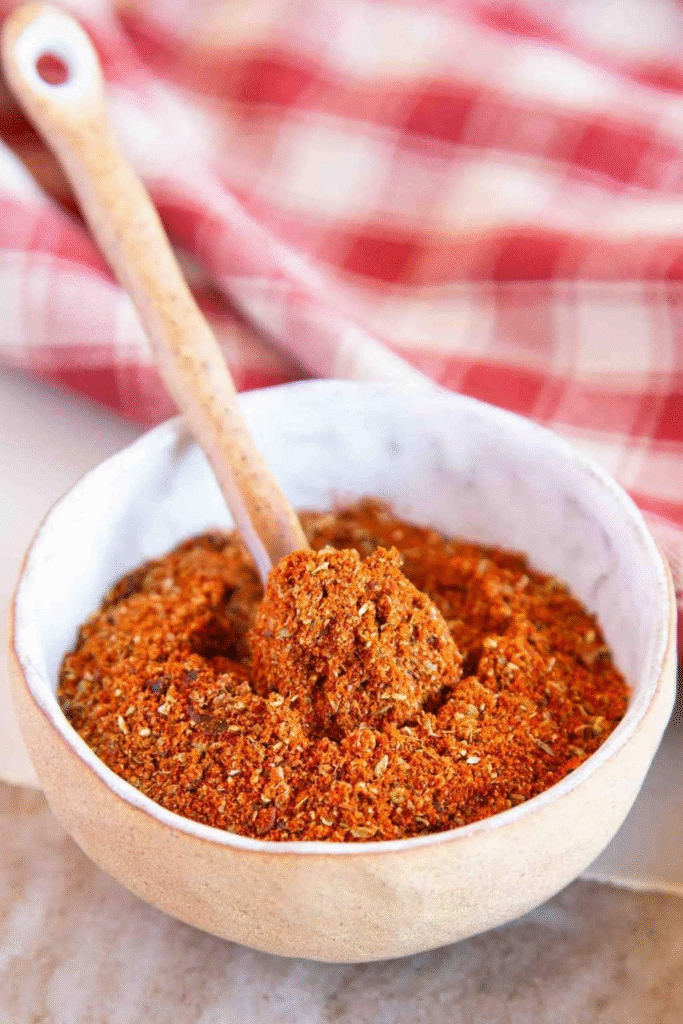
It also solves a common kitchen problem: getting deep chili flavor fast.
Copycat McCormick Chili Seasoning Ingredients
The ingredient list is simple, pantry-friendly, and designed to mimic the familiar flavor profile many readers already know. The optional cornstarch gives the blend a packet-style finish because it helps thicken the liquid slightly when the seasoning is cooked into chili.
| Ingredient | Amount | What it adds | Easy substitution |
|---|---|---|---|
| Chili powder | 2 tablespoons | Main chili flavor, mild earthiness | Use ancho chili powder for deeper flavor |
| Paprika | 1 tablespoon | Sweet pepper warmth, color | Smoked paprika for a smokier blend |
| Ground cumin | 2 teaspoons | Earthy depth and warmth | Slightly reduce and add coriander for a lighter note |
| Garlic powder | 1 teaspoon | Savory backbone | Granulated garlic |
| Onion powder | 1 teaspoon | Sweet, rounded allium flavor | Granulated onion |
| Dried oregano | 1 teaspoon | Herbal lift | Mexican oregano if available |
| Fine salt | 1 teaspoon | Balance and seasoning | Use 1/2 teaspoon for lower sodium |
| Black pepper | 1/2 teaspoon | Gentle heat and sharpness | White pepper in a pinch |
| Cayenne pepper | 1/4 teaspoon | Extra kick | Omit for mild chili |
| Cornstarch, optional | 1 teaspoon | Packet-style body | Arrowroot or leave out |
A few small changes can shift the personality of the blend. Smoked paprika makes it richer. More cayenne brings heat. Less salt gives you freedom to season the finished chili later, especially if you cook with canned beans or broth.
Timing for This Chili Seasoning Recipe
This is one of those rare recipes where speed does not ask you to give up flavor.
| Task | Time |
|---|---|
| Measure ingredients | 3 minutes |
| Mix thoroughly | 2 minutes |
| Total time | 5 minutes |
| Yield | About 5 1/2 tablespoons |
Five minutes is dramatically faster than building chili flavor from scratch in the pot with separate spice additions. It also saves time later because the next batch is already measured and ready to go.
Step-by-Step Instructions for Homemade Chili Seasoning
Making this spice mix is easy, but the details matter if you want a balanced, reliable result every time.
Step 1: Measure the chili seasoning spices carefully
Add all ingredients to a small bowl or jar. If your chili powder has clumps, break them up with a spoon before mixing. Even one compacted spice can throw off the whole blend.
For the most consistent flavor, use level measurements instead of heaping ones.
Step 2: Whisk the spice blend until the color is uniform
Use a small whisk or fork and stir until the mixture looks evenly red-brown throughout. You should not see isolated streaks of paprika, salt, or cornstarch.
This step sounds minor, but it prevents hot spots. Nobody wants one spoonful of chili that tastes flat and the next one that tastes only cumin.
Step 3: Taste and adjust the heat level
Dip a clean fingertip into the blend and taste a tiny amount. You are checking balance, not intensity alone. If it tastes too sharp, add a bit more paprika. If it needs more warmth, add another pinch of cumin. If you want the packet-style flavor but milder, reduce cayenne before storing.
This is where homemade seasoning wins. You get control instead of compromise.
Step 4: Store the seasoning or use it right away
Transfer the finished mix to a small airtight jar, spice tin, or mini deli container. Label it with the name and date so you know when it was made.
A well-sealed jar also keeps moisture out, which matters more than many cooks realize.
Step 5: Use this blend as a packet replacement in chili
For one pound of ground meat or a hearty bean-based chili, start with 2 tablespoons of the seasoning blend. Add it after browning the meat or softening the aromatics, then stir in 1/2 cup water, broth, or tomato sauce so the spices bloom instead of sitting dry in the pan.
If you want a stronger flavor, go up to 2 1/2 tablespoons. For a lighter pot, 1 1/2 tablespoons is often enough.
Nutritional Information for Copycat Chili Seasoning
Nutrition will vary slightly based on the exact brands of spices used and whether you include the cornstarch. The values below are a practical estimate for 1 tablespoon of seasoning mix.
| Nutrient | Approximate amount per tablespoon |
|---|---|
| Calories | 18 |
| Carbohydrates | 3 g |
| Fiber | 1 g |
| Protein | 1 g |
| Fat | 0.5 g |
| Sodium | 400 to 420 mg |
| Sugar | 0 g |
The main nutritional variable is sodium. If you cut the salt in half, the sodium per tablespoon drops meaningfully while the overall spice character stays strong.
Healthier Alternatives for This Homemade Chili Spice Blend
A homemade spice mix is already a smart move because it lets you manage sodium, heat, and additives. If you want a lighter or more diet-friendly version, a few swaps work especially well.
Here are the easiest ways to adjust it without losing the familiar chili flavor:
- Lower sodium: Reduce the salt to 1/2 teaspoon or leave it out entirely and season the finished chili to taste.
- No cornstarch: Skip it if you prefer a cleaner spice blend or if your chili thickens naturally from beans and tomatoes.
- Milder heat: Omit cayenne and use sweet paprika for a gentler family-style version.
- Richer flavor: Use smoked paprika and Mexican oregano for a deeper, more rounded spice profile.
This seasoning also works well in plant-based cooking. Stir it into lentil chili, black bean soup, crumbled tofu, or a vegan breakfast hash with potatoes and peppers when you want smoky, savory depth without meat.
Serving Suggestions for Chili, Tacos, and More
This is more than a chili packet replacement. It is a versatile pantry seasoning that can move across several meals with very little effort.
A few favorite ways to use it:
- Beef chili
- Turkey chili
- Three-bean chili
- Taco filling
- Roasted sweet potatoes
- Black bean rice bowls
Try blooming the seasoning in a little oil before adding liquid. That brief contact with heat wakes up the spices and gives the dish a fuller aroma, especially in quick skillet meals.
Common Mistakes to Avoid With Copycat McCormick Chili Seasoning
Even a simple spice mix can go wrong if the pantry is stale or the measurements drift.
Keep these issues in mind when you make your batch:
- Using old spices: Ground spices lose intensity over time, so a dull chili powder or cumin will give you a flat result.
- Skipping the mix test: Stir thoroughly before using, especially if the jar has been sitting for a few weeks and the finer ingredients have settled.
- Adding too much at once: Start with 2 tablespoons per batch of chili, then adjust after simmering.
- Under-salting or over-salting the final dish: Remember that canned beans, broth, and tomatoes can shift the seasoning balance.
A short simmer matters too. Give the seasoning at least 10 minutes in the pot so the flavors can soften and blend into the base.
Storing Tips for Homemade Chili Seasoning
Store the mix in an airtight container in a cool, dark cabinet. A small glass spice jar works well, but any dry, tightly sealed container will do the job. Keep it away from steam, the stove, and direct sunlight, which can dull the flavor more quickly.
For the best taste, use it within 6 months. It will often last longer safely, but the aroma and strength gradually fade. If the blend no longer smells bold when you open the jar, it is time to refresh the batch.
You can also make a double or triple batch for meal prep.
Recipe Snapshot
This homemade chili seasoning delivers familiar packet-style flavor with fresher spices, flexible heat, and better control over salt. Mix it in minutes, keep it ready for fast dinners, and use it across chili, tacos, and bowls. Try it, leave a comment or review, and subscribe for more easy recipe ideas.
FAQs About Homemade Chili Seasoning
How much of this seasoning equals one store packet?
A good starting point is 2 tablespoons. That will replace one standard chili seasoning packet in most recipes. If you like a bolder pot, use 2 1/2 tablespoons.
Is this copycat chili seasoning spicy?
It is moderately warm, not aggressively hot. The chili powder and paprika bring most of the flavor, while the cayenne gives a small kick. For a mild version, leave out the cayenne.
Can I use this seasoning for tacos or fajitas?
Yes. It works well as a taco seasoning substitute, especially for ground beef, turkey, lentils, or black beans. For tacos, use a little less oregano if you want a cleaner taco-style profile.
Why is cornstarch included?
Cornstarch is optional, but it helps mimic the texture of many packet seasonings. When added to chili with liquid, it lightly thickens the sauce and gives the seasoning a more familiar packet-style effect.
Can I make this chili seasoning without salt?
Absolutely. A salt-free version is a smart choice if you cook with salted broth, canned beans, or tomato products. You can season the finished dish later and keep full control of the final balance.
What is the best way to scale this recipe up?
Multiply every ingredient evenly and mix in a larger bowl before transferring to jars. When making a big batch, whisk longer than you think you need to so the salt and spices are distributed evenly.
What dishes pair especially well with this spice blend?
It shines in classic chili, white-bean skillet dinners, stuffed peppers, taco rice, sheet-pan potatoes, and hearty soups. If you enjoy building out a meal, pair it with cornbread, avocado, rice, or a crisp cabbage slaw.
