
A snack can either steady your energy for hours or leave you hungry again before the next meeting ends. The difference usually is not willpower. It is food composition.
The most satisfying healthy snacks tend to have a simple structure: protein, fiber, and sometimes a modest amount of unsaturated fat. Put those pieces together in the right portion, and a snack starts acting less like a quick bite and more like a useful bridge between meals.
Why some healthy snacks keep hunger away longer
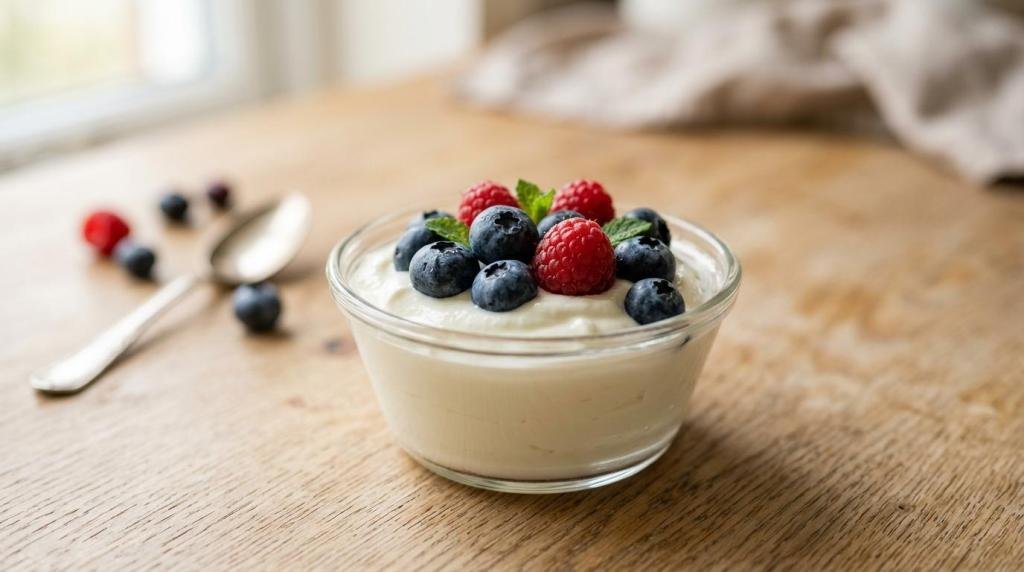
Fullness is shaped by more than calories alone. A 200-calorie snack built from refined flour and sugar often disappears fast, both physically and mentally. A 200-calorie snack with Greek yogurt, berries, or nuts usually lingers longer because digestion slows down and appetite signals stay calmer.
Protein is especially effective here. It consistently stands out in nutrition research as one of the strongest drivers of satiety. That is one reason snacks like cottage cheese, hard-boiled eggs, edamame, turkey roll-ups, and plain Greek yogurt tend to work so well during a long afternoon.
Fiber adds a second layer of staying power. It creates bulk, slows digestion, and helps a snack feel substantial. Fruits, vegetables, beans, oats, chia seeds, and popcorn all bring that benefit. When protein and fiber show up together, the result is usually far more satisfying than either one alone.
Healthy fats help too, especially from foods like nuts, seeds, avocado, and nut butter. They should not carry the whole snack by themselves every time, but in the right amount they add richness and help hunger return more gradually.
Protein and fiber are the strongest satiety pair in healthy snacks
A practical way to think about snacks is to stop asking whether they are merely “healthy” and start asking whether they are filling. Plenty of foods wear a healthy label while doing very little for appetite. A fruit-only snack can be refreshing, yet it may not last long for someone with several hours before dinner. Crackers marketed as wholesome may still be mostly starch with little protein or fiber.
A filling snack usually checks at least two boxes. It offers meaningful protein, meaningful fiber, or both. That is why apple slices become more effective with peanut butter, and why carrots become more useful with hummus than on their own.
The easiest screening test is simple.
- Protein: Greek yogurt, eggs, cottage cheese, edamame, turkey, tofu, roasted chickpeas
- Fiber: fruit, vegetables, oats, beans, chia seeds, whole grains, popcorn
- Healthy fat: almonds, walnuts, pistachios, pumpkin seeds, avocado, peanut butter
- Low staying power: sugary granola bars, pastries, candy, chips, sweetened drinks
When snacks feel disappointing, it is often because they lean too hard on refined carbohydrates. They taste good, they are easy to grab, and they rarely hold up for long.
Filling healthy snack combinations you can mix and match
The best snack ideas are rarely complicated. In fact, some of the most reliable options combine just two foods. Pairing categories is often smarter than chasing a perfect single ingredient.
Fruit with a protein source is one of the easiest wins. So is a crunchy vegetable with a bean-based dip. These combinations are familiar, affordable, and easy to repeat during busy weeks.
Here are some pairings that consistently make sense for fullness:
| Healthy snack | Why it keeps you full longer | Best time to eat it |
|---|---|---|
| Greek yogurt with berries | High protein plus fiber and volume | Mid-morning or afternoon |
| Apple with peanut butter | Fiber with fat and a little protein | Between lunch and dinner |
| Cottage cheese with pineapple or berries | Strong protein base with natural sweetness | Afternoon |
| Hard-boiled eggs with baby carrots | Protein plus crunch and fiber | Workday snack |
| Hummus with cucumbers, peppers, or carrots | Beans provide protein and fiber | Pre-dinner |
| Roasted chickpeas | Protein, fiber, and crunch | On the go |
| Edamame with fruit | Plant protein with fiber-rich carbs | Post-workout or afternoon |
| Plain popcorn with a cheese stick | High volume plus protein | When you want something snacky |
| Overnight oats with chia | Fiber-rich and slow-digesting | Morning or late afternoon |
| Nuts with an orange or banana | Healthy fats paired with fiber and water-rich fruit | Travel or desk snack |
The table also shows an important point: solid foods often satisfy better than drinks. A smoothie can work, yet it usually needs structure to be truly filling. Protein powder, Greek yogurt, chia seeds, or nut butter can help, but a thin fruit-only smoothie is often too easy to drink quickly.
Whole-food healthy snacks usually outperform highly processed options
This is not about food purity. It is about how foods behave in real life.
Whole and minimally processed snacks often come with built-in advantages: texture, chewing time, fiber, water content, and portions that make sense. An orange takes longer to eat than orange juice. A bowl of edamame asks more of you than a sweetened protein drink. Those small differences matter because fullness is both physical and sensory.
Packaged snacks can still fit. Some protein bars, roasted legume snacks, and high-fiber crackers are genuinely useful. The issue is that convenience products vary wildly. One bar may provide 15 grams of protein and decent fiber, while another is basically a candy bar with better branding.
That is why ingredient quality and nutrition balance matter more than the front-of-package promise.
Portion size, texture, and timing matter for healthy snacks
Even excellent snack choices can miss the mark if the portion is too small, too large, or eaten at the wrong moment. A tablespoon of hummus with three carrot sticks is technically a healthy snack, but it may not do much if lunch was light and dinner is three hours away. At the other extreme, grazing from a large bag of trail mix can quietly turn a snack into an oversized meal.
Texture matters more than many people expect. Crunchy, chewy, and spoonable foods usually feel more substantial than foods you can drink in a few swallows. That does not make liquids bad. It just means they often need help. If a smoothie is your preference, build it with enough protein and fiber to slow things down.
Timing matters too. Snacks are most useful when they prevent a sharp drop in energy or stop you from arriving at the next meal overly hungry. For many people, the late afternoon is the danger zone. A balanced snack around that time can make dinner choices feel easier and more measured.
A helpful rule is to match the snack to the gap before your next meal. A short gap might need just fruit and nuts. A long gap might call for yogurt with oats, or eggs with vegetables and whole-grain toast.
How to choose packaged healthy snacks without guesswork
Convenience is not the enemy. A busy schedule calls for realistic solutions, and packaged snacks can be part of that. The goal is to choose ones that act more like food and less like dessert in disguise.
A fast label check can save a lot of frustration later.
- Start with protein: aim for a useful amount, not a token amount
- Look for fiber: a few grams can make a real difference
- Watch added sugar: lower is usually better for staying power
- Check portion size: the package may hold more than one serving
- Read the ingredients: oats, nuts, seeds, beans, yogurt, and whole grains are good signs
It is also smart to be honest about what you want from the snack. If you need shelf stability for travel, a bar or roasted chickpea pack may be ideal. If you are eating at home, whole foods often give you better volume and satisfaction for the same calories.
One useful strategy is to combine a packaged item with a fresh one. A protein bar plus an apple works better than the bar alone. Whole-grain crackers plus hummus beat crackers by themselves. Pairing adds balance without adding much effort.
Healthy snack prep habits for busy weeks
People who snack well usually do not rely on motivation alone. They make the good choice the easy choice.
A small amount of prep goes a long way. As Vegan Meal Prep points out, cheap high-protein meal prep centered on beans, tofu, and whole grains can be portioned ahead to turn filling snacks into a default during busy weeks. Wash produce when you bring it home. Portion nuts into small containers. Keep boiled eggs, hummus, yogurt cups, and cut vegetables at eye level. Roast a tray of chickpeas or prepare overnight oats once, then use them across several days.
A few easy prep ideas can cover most of the week:
- hard-boiled eggs
- washed berries or grapes
- single portions of almonds or pistachios
- cut cucumbers, carrots, and bell peppers
- roasted chickpeas
- plain Greek yogurt
- cottage cheese cups
- overnight oats with chia
There is also value in matching your snacks to your habits rather than to trends. If you always want something sweet at 3 p.m., build a better sweet option, like yogurt with berries or cottage cheese with peach slices. If you crave crunch, keep popcorn, snap peas, or roasted edamame nearby. A snack routine works best when it feels natural enough to repeat.
Healthy snacks do not need to be complicated, expensive, or highly engineered. When they combine protein, fiber, and smart portions, they can steady appetite, support better meal choices, and make the day feel easier from one meal to the next.
