


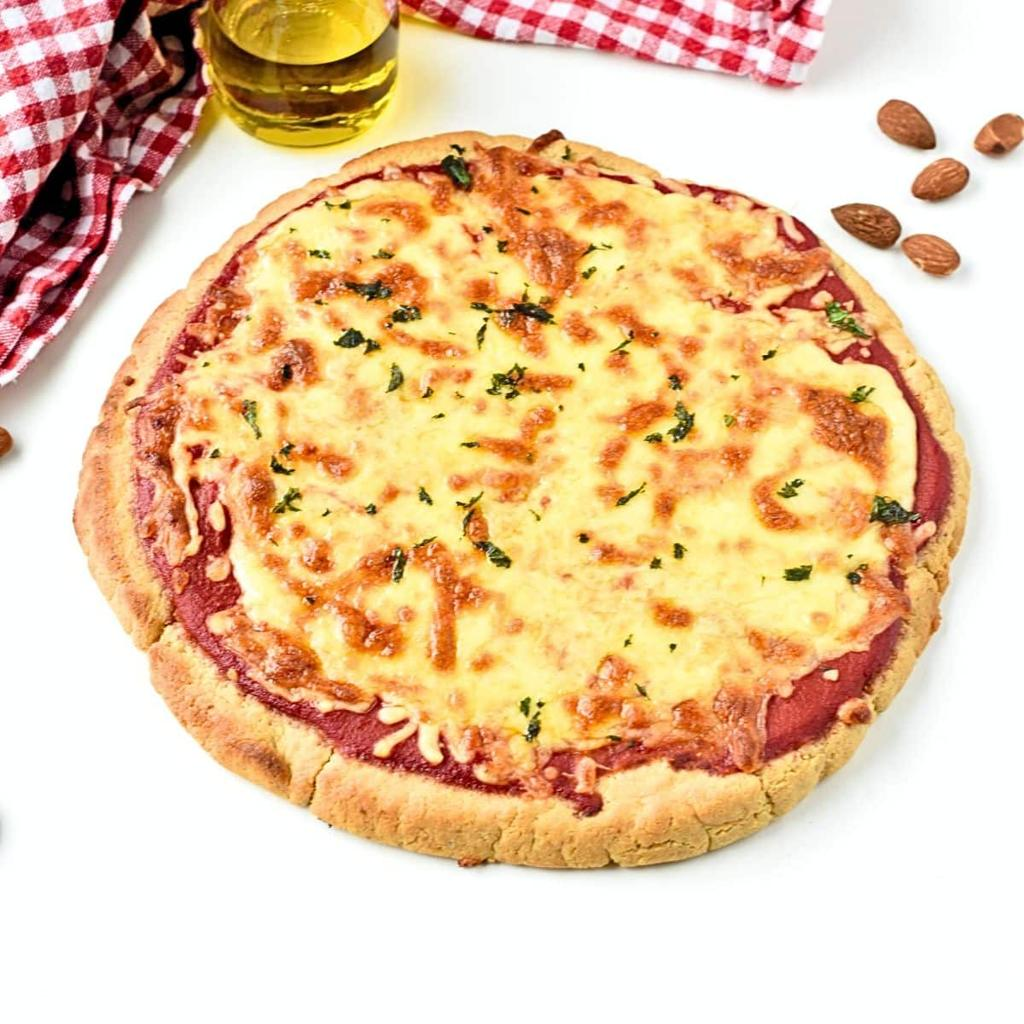

Some recipes promise pizza without the carb overload, then leave you with a soft crust and a compromise on flavor. Keto pizza does not have to feel like a substitute. When the crust is built to brown properly and the toppings stay balanced, it can be crisp, cheesy, and genuinely satisfying.
This version keeps the process approachable for home cooks, uses familiar ingredients, and gives you room to personalize every slice.
Keto Pizza Introduction: Can a Low-Carb Crust Really Satisfy?
Can a slice of keto pizza cut carbs by 70 to 90 percent compared with a standard pizza slice and still deliver crisp edges, bubbling cheese, and a real pizza-night bite?
Yes, if the crust is designed for texture instead of trying to imitate traditional wheat dough too closely. A classic slice of pizza often lands around 30 to 35 grams of carbs. A well-made keto pizza, especially one built with almond flour and mozzarella, can come in closer to 4 to 8 grams of net carbs per slice, depending on the toppings.
That gap matters for anyone following a low-carb or ketogenic eating pattern. It also matters for readers who want a gluten-free pizza option, steadier energy after dinner, or a comforting meal that feels generous rather than restrictive.
This recipe uses a mozzarella-based low-carb keto pizza crust, often called fathead dough. It bakes quickly, holds toppings well, and gives you a reliable base for sugar-free pizza sauce, classic cheese, pepperoni, vegetables, or fresh herbs.
Keto Pizza Ingredients List
The ingredient list is short, but every item has a job. The cheese creates structure and chew, almond flour keeps the crust low in carbs, and a quick par-bake helps you avoid a soggy center.
- Shredded mozzarella for the crust: 1 1/2 cups, low-moisture works best for a stretchy, sturdy dough
- Cream cheese: 2 tablespoons, softened for smoother mixing
- Almond flour: 3/4 cup, finely ground for the best texture
- Egg: 1 large, helps bind the keto pizza dough
- Baking powder: 1 teaspoon for a slightly lighter crust
- Garlic powder: 1/2 teaspoon for savory depth
- Salt: 1/4 teaspoon
- Sugar-free pizza sauce: 1/3 to 1/2 cup, depending on how saucy you like it
- Shredded mozzarella for topping: 1 cup
- Pepperoni or other keto-friendly toppings: about 1/2 cup total
- Olive oil: 1 teaspoon for brushing, optional
- Dried oregano or fresh basil: optional finishing touch
If you need substitutions, there is plenty of flexibility. Part-skim mozzarella works, though full-fat often gives better browning. Almond flour is the easiest choice for structure, while sunflower seed flour can work for a nut-free version. For toppings, think low-carb pizza classics: mushrooms, olives, sausage, spinach, chicken, or roasted peppers used sparingly.
Keto Pizza Timing
Keto pizza is fast compared with traditional homemade dough. A yeast crust commonly needs 60 to 90 minutes once proofing is included. This one is usually table-ready in about 30 to 35 minutes.
| Task | Time | Practical note |
|---|---|---|
| Prep time | 15 minutes | Includes mixing the dough and shaping the crust |
| First bake for crust | 10 minutes | Essential for a crisp base |
| Final bake with toppings | 8 to 10 minutes | Watch for bubbling cheese and golden edges |
| Total time | 33 to 35 minutes | Often much quicker than classic pizza dough |
If you meal prep the crust in advance, dinner can move even faster.
Keto Pizza Step-by-Step Instructions
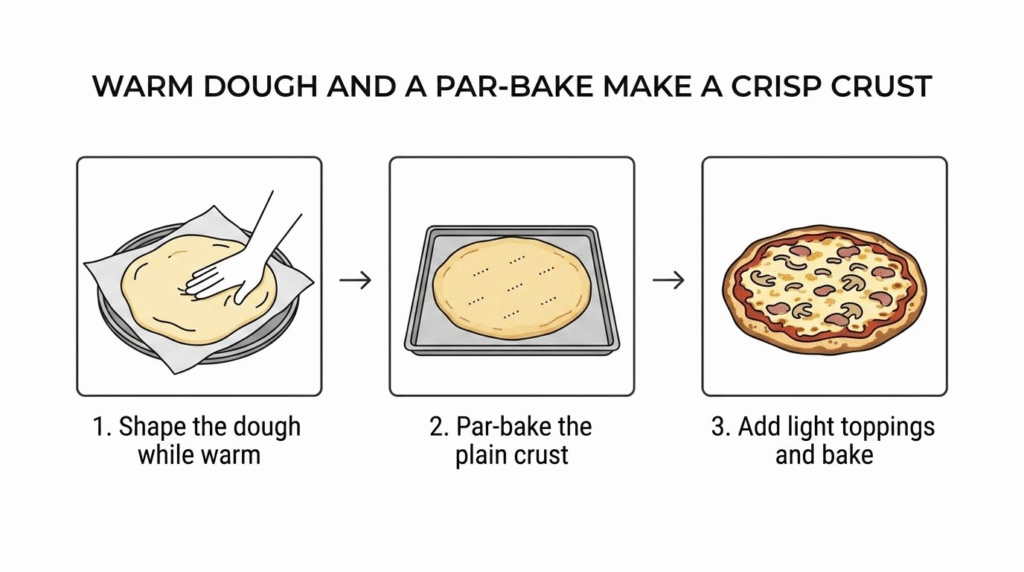
A low-carb crust is forgiving once you know what to watch for. The biggest keys are working with warm dough, par-baking the base, and keeping wet toppings under control.
Step 1: Preheat for a crispy keto pizza crust
Heat your oven to 425°F. Line a baking sheet, pizza pan, or preheated pizza stone with parchment if needed. A hot oven matters here because fast browning helps the crust set before the toppings release too much moisture.
If you like a thinner pizza, plan to spread the dough into a 10-inch round. For a slightly thicker, more bread-like feel, keep it closer to 8 or 9 inches.
Step 2: Melt the cheese for flexible keto pizza dough
In a microwave-safe bowl, combine the crust mozzarella and cream cheese. Microwave in short bursts of 20 to 30 seconds, stirring between rounds, until the mixture is melted and easy to stir.
You want the cheese hot and pliable, not oily and separated. If it gets too hot, let it sit for a minute before adding the dry ingredients.
Step 3: Mix and knead the low-carb pizza dough
Add the almond flour, egg, baking powder, garlic powder, and salt to the melted cheese mixture. Stir first with a spoon, then knead gently with clean hands or a spatula until the dough looks uniform.
This dough is easiest to shape while still warm. If it starts stiffening, a brief 5 to 10 second microwave burst usually brings it back. A lightly oiled spatula or a second sheet of parchment helps if the dough feels sticky.
Step 4: Roll and par-bake the keto pizza crust
Place the dough between two sheets of parchment and press or roll it into a circle. Remove the top sheet and poke a few holes with a fork to reduce bubbling.
Bake the plain crust for about 10 minutes, or until the surface is lightly golden. This stage builds structure and is one of the main differences between a crisp keto pizza and a floppy one. If you want extra crunch, bake for another 1 to 2 minutes before topping.
Step 5: Add sauce, cheese, and keto pizza toppings
Spread a thin layer of sugar-free pizza sauce over the crust, leaving a small border. Add the topping mozzarella, then your chosen toppings.
Less is more. A heavy pile of vegetables or sauce can trap steam and soften the center. Pepperoni, cooked sausage, olives, and a small amount of mushrooms or spinach usually work very well.
Step 6: Bake until the keto pizza is browned and bubbling
Return the topped pizza to the oven for 8 to 10 minutes. Bake until the cheese bubbles and the edges deepen in color.
Let the keto pizza rest for 3 to 5 minutes before slicing. That short pause helps the cheese settle and the crust firm up. Finish with oregano, basil, red pepper flakes, or a brush of olive oil if you want a pizzeria-style look.
Keto Pizza Nutritional Information
Nutrition varies with crust thickness, sauce brand, and toppings, though keto pizza is usually far lower in net carbs than standard takeout pizza. The estimate below is for one-quarter of the recipe with mozzarella, sauce, and pepperoni.
| Nutrition per serving | Amount |
|---|---|
| Calories | 430 |
| Protein | 24 g |
| Fat | 31 g |
| Total carbs | 9 g |
| Fiber | 3 g |
| Net carbs | 6 g |
| Sodium | 780 mg |
That macro profile makes this recipe attractive for low-carb meal plans, high-protein dinners, and gluten-free pizza nights. If you use more vegetables or a lighter cheese layer, calories and fat will shift downward. If you add sausage or extra cheese, protein and sodium will rise.
Healthier Keto Pizza Alternatives
One of the strengths of keto pizza is how adaptable it is. You can keep the comfort-food feel while changing the nutrition profile to fit your goals, whether that means more protein, less dairy, or a lighter calorie count.
- Lighter cheese layer: Use part-skim mozzarella on top and keep the sauce thin for a lower-calorie slice
- Higher-protein version: Add grilled chicken, turkey pepperoni, or lean Italian sausage
- More vegetables: Top with spinach, zucchini ribbons, mushrooms, or roasted broccoli in modest amounts
- Dairy-adjusted option: Try a chicken crust or cauliflower-based crust if you want less cheese in the base
- Nut-free swap: Replace almond flour with sunflower seed flour if needed
- Mediterranean flavor profile: Use olives, feta, spinach, and a sprinkle of oregano instead of heavy processed toppings
A useful rule is to choose one rich topping, one vegetable, and one fresh finishing element. That keeps each bite flavorful without overwhelming the crust.
Keto Pizza Serving Suggestions
Keto pizza can be dinner, lunch meal prep, or a shared party food. The best pairings bring freshness and contrast.
A crisp chopped salad with romaine, cucumber, and a bright vinaigrette works beautifully. The same goes for arugula tossed with lemon and olive oil. That fresh bite cuts through the richness of the cheese and makes the meal feel balanced.
If you want a fuller spread, serve the keto pizza with roasted garlic green beans, air-fried wings, or a bowl of tomato basil soup made without added sugar. For a casual gathering, slice the pizza into smaller squares and offer a topping bar with red pepper flakes, grated Parmesan, basil, and ranch dip made from Greek yogurt.
A personal tip that often helps: serve the pizza on a pre-warmed cutting board or tray. It stays hotter longer, and the crust keeps its texture better during the meal.
Common Keto Pizza Mistakes to Avoid
Most keto pizza problems come down to texture. Once you know where the trouble starts, the fix is straightforward.
- Skipping the par-bake
- Using too much sauce
- Adding watery vegetables without pre-cooking or patting dry
- Rolling the crust too thick in the center
- Overheating the cheese until it turns greasy
- Slicing immediately after baking
If your first attempt is softer than you wanted, do not write off the recipe. A thinner shape, a slightly longer first bake, and fewer toppings usually make a dramatic difference next time.
Keto Pizza Storing Tips
Keto pizza stores well, which makes it a smart choice for meal prep. Let leftovers cool completely, then store slices in an airtight container in the refrigerator for up to 4 days. Separate layers with parchment if you are stacking slices.
For the best texture, reheat in a skillet over medium-low heat or in a 375°F oven until hot. The microwave works in a pinch, though it softens the crust more quickly. If you want to freeze the pizza, freeze slices on a tray first, then transfer them to a freezer-safe bag or container for up to 2 months.
You can also make the crust ahead. Par-bake it, cool it, and refrigerate it for a day or two before topping and finishing. That turns keto pizza into a very realistic weeknight dinner.
Ready to Make This Keto Pizza?
This keto pizza keeps the comfort of pizza night while trimming carbs, keeping prep practical, and leaving room for your favorite toppings. Try it this week, rate the recipe, share your tweaks in the comments, and subscribe for more easy meals, smart cooking tips, and fresh low-carb ideas every week.
Keto Pizza FAQs
Can I make keto pizza without almond flour?
Yes. Sunflower seed flour is a useful substitute for a nut-free version. You can also make a different style of low-carb pizza crust with canned chicken, cauliflower, or even ground turkey. The texture will change, though each option can work well.
Why is my keto pizza crust soggy?
The usual causes are too much sauce, wet toppings, or not par-baking the crust long enough. Try a thinner sauce layer, cook mushrooms or spinach first, and give the crust enough time to turn lightly golden before topping it.
What is the best sauce for keto pizza?
Choose a pizza sauce with no added sugar and a short ingredient list. Many readers prefer a thicker sauce because it spreads thinly and adds flavor without soaking the crust. Crushed tomatoes seasoned at home can also work well.
Can I freeze keto pizza crust by itself?
Yes. Par-bake the crust, cool it completely, wrap it well, and freeze it. When you are ready to use it, add toppings directly from chilled or thawed, then bake until hot and browned.
Is keto pizza also gluten-free?
This recipe usually is gluten-free because it uses almond flour instead of wheat flour. Still, it is smart to check labels on baking powder, sauce, and toppings if gluten avoidance is essential for your kitchen.
Which toppings are best for a classic keto pizza flavor?
Pepperoni, mozzarella, mushrooms, olives, cooked sausage, and basil are reliable favorites. If you want the cleanest slice structure, keep the topping layer modest and avoid ingredients with high water content unless they have been cooked down first.
