


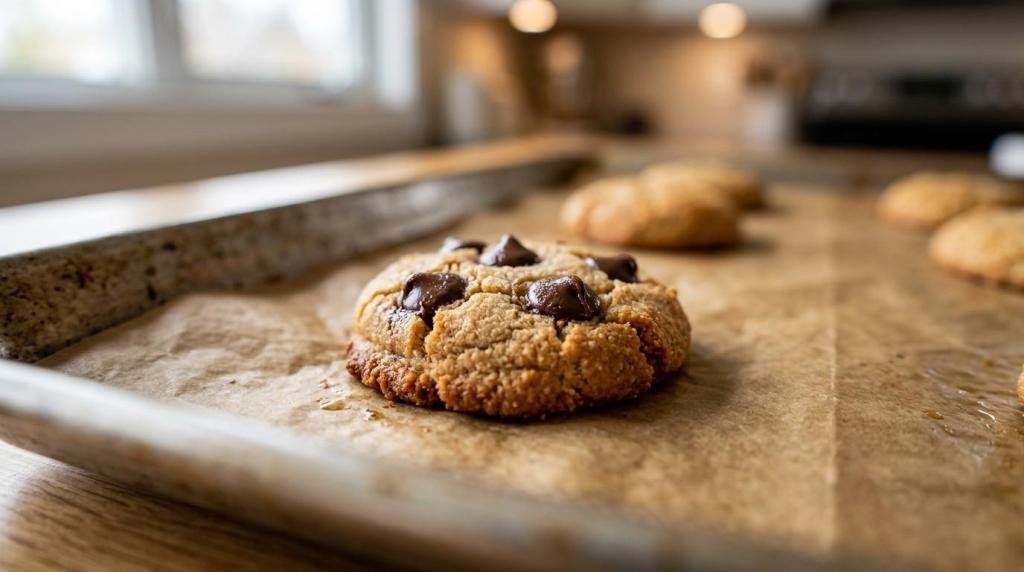
Make soft, buttery keto cookies almond flour fans will love—easy, low carb, crisp-edged, and ready fast with simple pantry staples.
So you want a cookie, but you also want to keep things low carb and not spend your entire afternoon washing mixing bowls like some kind of kitchen martyr? Excellent choice. These almond flour keto cookies are buttery, soft in the middle, lightly crisp at the edges, and suspiciously easy to make.
They’re the kind of cookies that make you glance at the baking sheet and think, “Wait, that’s it?” Yep. No weird drama, no complicated technique, no need to pretend you’re on a baking show. Just a solid, cozy cookie that happens to fit a keto lifestyle without tasting like punishment.
Why These Almond Flour Keto Cookies Are Awesome
First, they actually taste like cookies. That should not be a rare achievement, and yet here we are. Almond flour gives them a rich, tender texture, while a good keto sweetener keeps things sweet without sending the carb count into chaos.
Second, the recipe is very beginner-friendly. If you can stir things in a bowl and resist eating all the dough before it hits the pan, you’re qualified. No chilling, no rolling, no nonsense.
They’re also easy to tweak. Want chocolate chips? Great. Want cinnamon? Lovely. Want to keep them plain and let the buttery almond flavor do the talking? Also a win. These cookies are flexible without turning into one of those recipes that needs a flowchart.
And yes, they come together fast, which is exactly what a cookie recipe should do. Cookies are for joy, not paperwork.
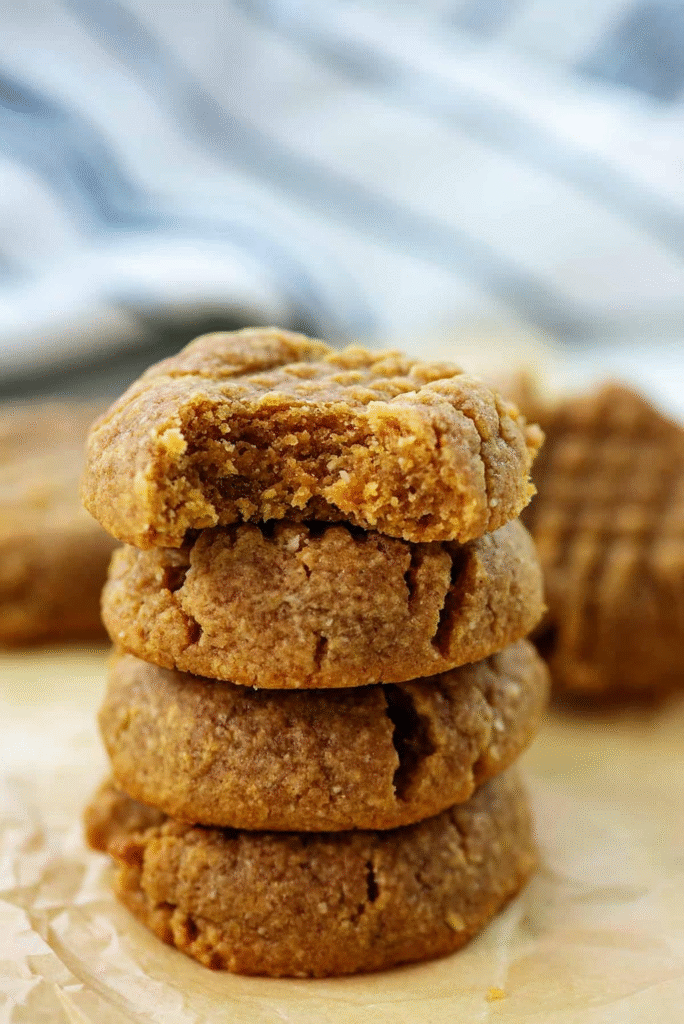
Ingredients for Almond Flour Keto Cookies
You only need a handful of basics, and most of them are probably already hanging out in your kitchen like they pay rent.
- Almond flour: Use fine blanched almond flour, not almond meal, unless you want cookies with a rougher texture
- Butter: Softened, because cold butter loves making life harder
- Granulated keto sweetener: Erythritol, monk fruit blend, or your favorite baking-friendly one
- Egg
- Vanilla extract
- Baking powder
- Salt
- Sugar-free chocolate chips: Optional, but let’s be honest, highly encouraged
A quick note before you start: almond flour and almond meal are not the same thing. Almond meal is coarser and can make your cookies feel heavier and more rustic. That sounds charming until you bite into one and wonder why it tastes like a health-food compromise.
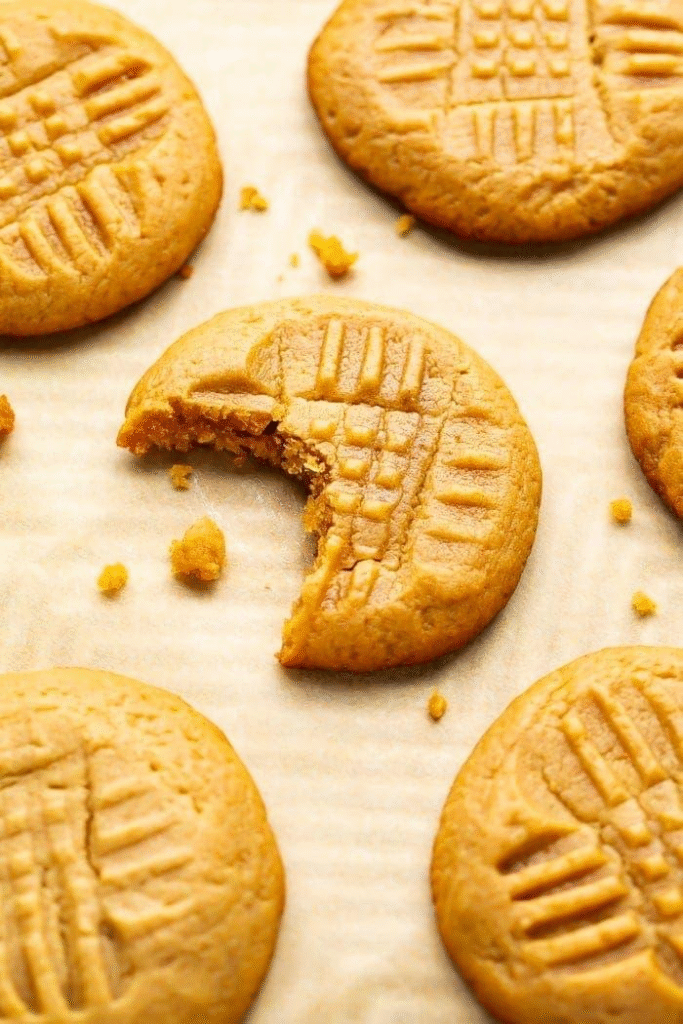
Step-by-Step Instructions for Keto Cookies with Almond Flour
This recipe makes about 14 small cookies, depending on how generous you get with the dough spoon.
Preheat your oven to 350°F and line a baking sheet with parchment paper. Yes, preheating matters. No, the oven does not magically “catch up” just because you believe in yourself.
In a medium bowl, cream together 1/4 cup softened butter and 1/3 cup granulated keto sweetener until the mixture looks smooth and a little fluffy. You can use a hand mixer or just a spoon and some mild determination.
Add 1 egg and 1 teaspoon vanilla extract. Stir until everything looks fully combined and glossy.
Mix in 2 cups fine blanched almond flour, 1/2 teaspoon baking powder, and 1/4 teaspoon salt. Stir until a soft dough forms. If you’re adding 1/3 cup sugar-free chocolate chips, fold them in now.
Scoop small portions of dough onto the prepared baking sheet. Flatten them slightly with your fingers or the back of a spoon, because these cookies won’t spread much on their own. They need a little nudge. Relatable.
Bake for 10 to 12 minutes, or until the edges turn lightly golden. Don’t wait for them to get super dark, because almond flour cookies keep cooking a bit as they cool.
Let them rest on the baking sheet for at least 10 minutes before moving them. This is the part where patience pays off. Fresh out of the oven, they’re delicate. Five minutes later, they’re much more cooperative.
If you like a firmer cookie, leave them in for the full 12 minutes. If you want them softer, pull them a little earlier. Either way, let them cool properly before judging them. Warm almond flour cookies can seem fragile at first, then suddenly become perfect.
Common Mistakes to Avoid with Almond Flour Keto Cookies
These cookies are easy, but easy recipes still have a few traps. Tiny traps, yes, but annoying ones all the same.
One common mistake is using almond meal instead of almond flour and expecting the same result. That’s like wearing hiking boots to a dance class and asking why things feel off. You’ll still get cookies, but the texture will be less tender and more crumbly.
Another classic move is overbaking. Almond flour cookies can go from pale and lovely to “why do these taste like toasted regret?” pretty fast. Watch the edges, not your phone.
Here are the big ones to keep in mind:
- Skipping parchment paper: Your cookies may stick, and then everyone gets sad
- Not flattening the dough: These cookies do not spread much, so shape them before baking
- Using melted butter: It can make the dough too loose and greasy
- Too much sweetener
- Moving the cookies too early
- Guessing measurements instead of actually measuring
Also, taste your sweetener before baking if it’s a new brand. Some keto sweeteners are great. Some have a cooling aftertaste that barges into the party uninvited.
Alternatives and Substitutions for Keto Almond Flour Cookies
This recipe is pretty forgiving, which is nice because not everyone has the exact same pantry situation.
| Ingredient | Easy Swap | What to Expect |
|---|---|---|
| Butter | Coconut oil | A slightly different flavor and a softer texture |
| Granulated keto sweetener | Allulose | Less cooling effect, often a softer cookie |
| Vanilla extract | Almond extract | Stronger flavor, so use less |
| Chocolate chips | Chopped pecans or walnuts | More crunch, less dessert-candy energy |
| Egg | Flax egg | Works, though the texture may be a bit more delicate |
If you want a cinnamon-cookie vibe, add 1/2 teaspoon cinnamon to the dry ingredients. If you want them richer, a spoonful of cream cheese in the dough can make them extra soft. IMO, chocolate chips are still the best add-in, but pecans are a close second.
Need a dairy-free version? Use coconut oil or a plant-based butter substitute. Just make sure it’s one made for baking, not a spread that turns the dough into an identity crisis.
FAQ About Almond Flour Keto Cookies
Can I use coconut flour instead of almond flour?
Not as a direct swap, no. Coconut flour absorbs way more liquid and behaves like it’s trying to prove a point. If you use it one-for-one, you’ll end up with dry, sad dough.
Why are my keto cookies falling apart?
Usually because they need more cooling time, or the dough was a bit too dry. Almond flour cookies are softer right out of the oven. Give them time before you start poking at them like a suspicious detective.
Can I make the dough ahead of time?
Absolutely. You can refrigerate it for a day or two. If it firms up too much, let it sit at room temperature for a few minutes before scooping.
Do these cookies taste eggy?
No, not if you measure correctly and use a little vanilla. One egg is enough to hold things together without making the cookies taste like breakfast got lost.
Can I freeze them?
Yes, and they freeze well. Store the baked cookies in an airtight container and freeze for up to 2 months. Then thaw at room temperature, or warm them slightly if you want that fresh-baked feeling without actually baking again.
What’s the best sweetener for keto cookies?
A granulated monk fruit blend or erythritol blend usually works well. Allulose is great too if you want a softer texture and less of that cooling effect. FYI, every brand behaves a little differently, so your favorite may take one test batch to dial in.
Can I make them crispier?
Yes. Flatten them a bit more and bake them a minute or two longer. Just don’t go wild, because the line between crisp and overdone is pretty thin with almond flour.
A Friendly Note Before You Preheat
If you’ve been burned by dry, weird, overly worthy low-carb desserts before, these cookies are a much nicer experience. They’re simple, reliable, and very easy to make your own.
Bake a batch, pour some coffee, and enjoy the deeply satisfying feeling of having cookies ready without needing a giant pile of flour or sugar to make it happen. If a few disappear while they’re cooling, that’s just quality control.
