


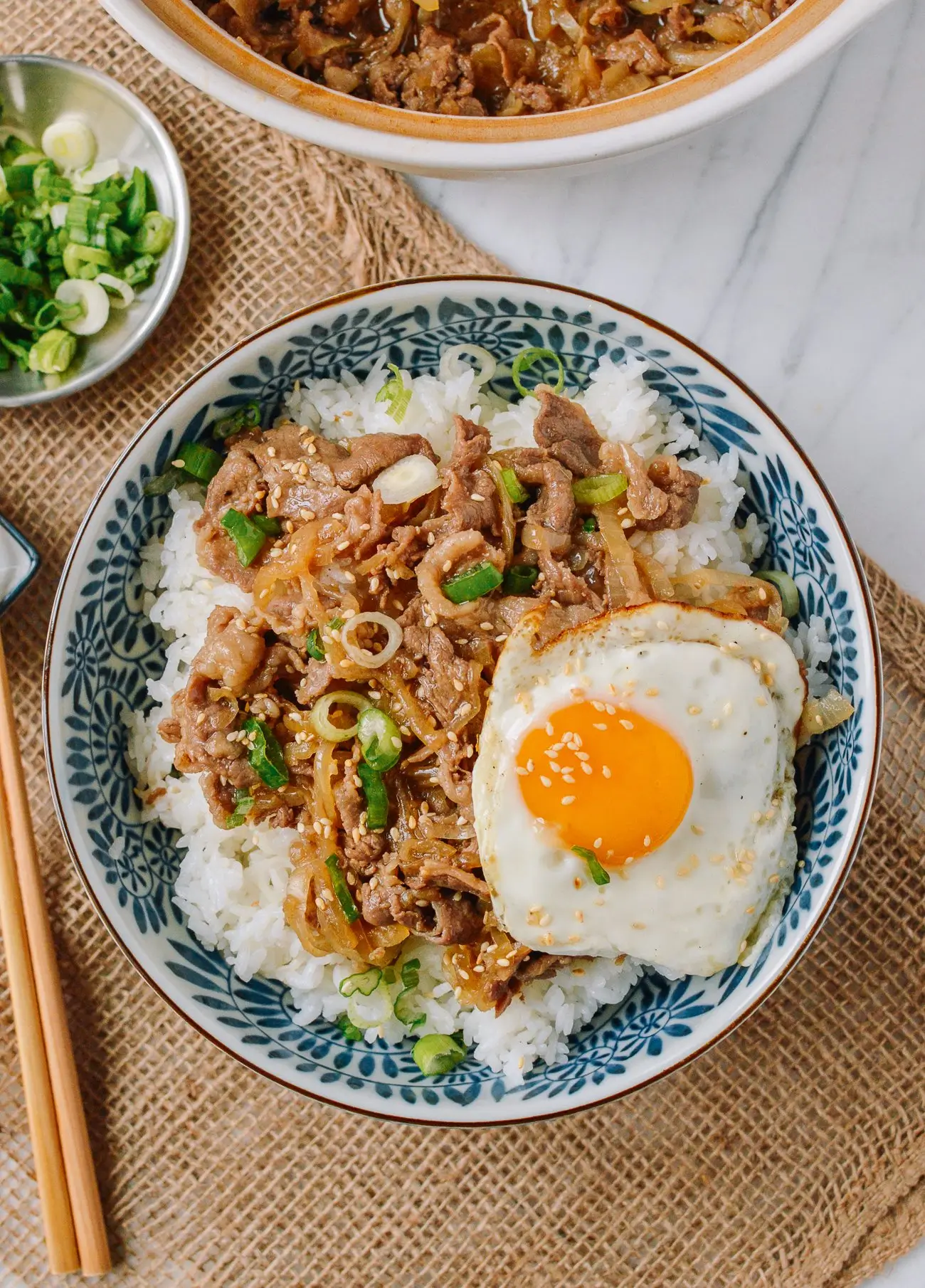
Does the secret to comfort food perfection truly start with a humble bowl of simmered beef and rice?
Each year, millions of gyudon are served in Japan’s ubiquitous “beef bowl” restaurants, and it’s easy to understand their popularity: gyudon blends mouthwatering flavors, comforting textures, and speedy convenience in one satisfying dish. Contrary to what many may think, crafting an authentic Japanese beef bowl (gyudon) at home is both approachable and rewarding—even for those new to Japanese cooking. The best part: a few key techniques and fresh ingredients can help you achieve that perfect savory-sweet balance found in your favorite Tokyo eatery, right from your own kitchen.
If you’ve ever wondered how gyudon became a national staple and what makes its flavor profile so compelling, let’s break it down and bring a taste of Japanese home cooking to your table.
Irresistible Ingredients for the Ultimate Gyudon
The ingredients in gyudon are simple but need to be chosen with care to achieve both depth and balance. Here’s what you’ll need for a classic, restaurant-quality bowl.
Essentials:
- Thinly sliced beef (about 1 lb/450g): Chuck, ribeye, or brisket work well. Opt for slices as thin as possible—look for “shabu shabu” cuts at Asian groceries.
- Onion (1 large, yellow or sweet), thinly sliced.
- Short-grain Japanese rice (2-3 cups cooked): Use highest quality for ideal texture and stickiness.
- Dashi stock (1 cup): Traditional all-purpose umami foundation. Substitute: 1 cup water + 1/2 tsp instant dashi powder or low-sodium chicken broth.
- Soy sauce (4 tbsp): Regular Japanese soy sauce preferred.
- Mirin (3 tbsp): Adds gentle sweetness and shine. Substitute: 3 tbsp sweet white wine + 1/2 tsp sugar.
- Sake (2 tbsp): For depth and aroma. Substitute: Dry white wine.
- Sugar (1-2 tbsp): Adjust based on sweetness preferred.
- Ginger (1-inch knob, julienned or finely chopped): Optional, for brightness.
Toppings:
- Pickled red ginger (beni shoga): Adds tangy crunch.
- Green onions, thinly sliced: Fresh finish.
- Raw or soft-poached egg (onsen tamago): Creamy richness.
- Shichimi togarashi (Japanese seven spice): For a subtly spicy kick.
Ingredient Swaps:
- Replace beef with thinly sliced chicken or mushrooms for a lighter version.
- Sub cauliflower rice for lower carbs.
- Tamari can be used instead of soy sauce for gluten-free diets.
Let your senses lead you on quality and freshness—the aroma of beef simmering in dashi is simply unforgettable.
Timing: From Fridge to Table, Faster than Delivery
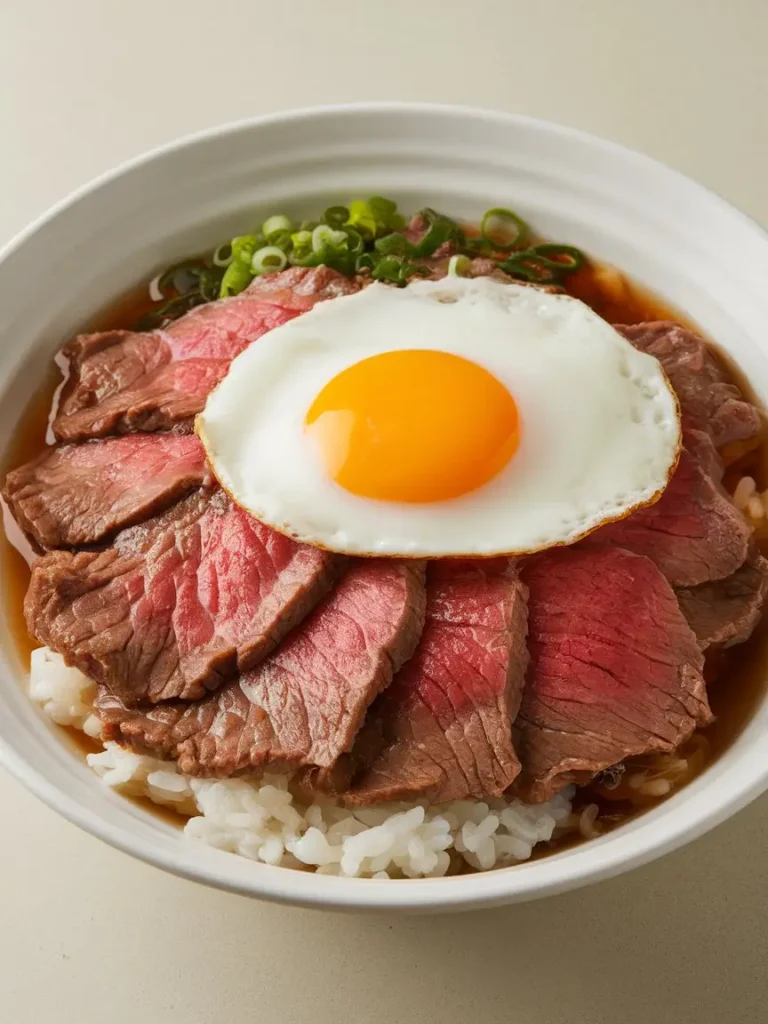
One of gyudon’s best-kept secrets is its speed—this dish can be ready faster than most takeout options. Compare this to typical homemade comfort food meals, which average 40-60 minutes, and you’ll see just how efficient this staple can be.
Time Breakdown Table:
| Step | Duration |
|---|---|
| Prep | 10 minutes |
| Cooking | 20 minutes |
| Assembly | 5 minutes |
| Total Time | 35 minutes |
You’ll spend less time cooking and more time savoring.
Step-by-Step Instructions
Slice and Prep
Start by prepping all ingredients. Slice your beef as thin as possible—if you’re buying a whole cut, freeze it for 10-15 minutes before slicing for cleaner cuts. Slice onions as evenly as possible to ensure they cook at the same pace. Rinse and cook your rice so it’s ready by the time your beef is simmered.
Pro tip: Consistency in slicing ensures perfect texture throughout.
Simmer the Aromatic Base
Combine dashi, soy sauce, mirin, sake, and sugar in a wide saucepan or skillet over medium heat. Whisk gently to dissolve the sugar. Bring just to a simmer; you should sense the harmony of soy’s depth and mirin’s softness right away.
Add onions and ginger (if using). Simmer uncovered until onions are translucent and tender, about 7-8 minutes. This gentle simmer lets the onions yield their sweetness and absorb the broth’s wonders.
Tip: Taste and adjust the sweetness or saltiness as you go, using small increments.
Add Beef and Cook Gently
Add the thin beef slices, separating them as you lay them in the liquid. Gently stir and press to submerge, then cover and cook on low for about 5 minutes. You want the beef just cooked through, silky, and tender—not tough.
Once the beef looks pale and any foam is skimmed off, give it a final gentle stir.
Tip: Avoid overcooking—the beef will keep cooking from residual heat even after the burner is off.
Assemble and Top
Scoop steaming rice into bowls. Layer beef and onions on top, spooning generously with broth for flavor and shine. Garnish with pickled ginger, green onions, an egg, and a sprinkling of shichimi togarashi.
Accept compliments graciously.
Nutritional Information: What’s in Each Bowl?
Gyudon is surprisingly balanced, providing a taste of comfort with solid nutrition. Here’s an example serving based on one generous beef bowl (without egg or extra toppings):
| Component | Per Serving |
|---|---|
| Calories | 470 kcal |
| Protein | 23 g |
| Carbohydrates | 55 g |
| Fat | 16 g |
| Saturated Fat | 6 g |
| Fiber | 2 g |
| Sodium | 1100 mg |
| Sugars | 8 g |
Quick Insights:
- High in protein with moderate fat
- Carbohydrates primarily from white rice
- Rich, satisfying, but manageable for most balanced diets
Healthier Alternatives for Gyudon
Looking for ways to keep the flavor while trimming the calories or meeting dietary needs? Here are some creative options.
- Swap white rice for brown rice, quinoa, or cauliflower rice for more fiber, minerals, and lower glycemic impact.
- Lean cuts: Substitute lean sirloin or even sliced chicken breast for less fat.
- Veggie-powered: Try a plant-based version with mushrooms, tofu, or tempeh. Portobello and shiitake bring great umami.
- Low-sodium: Use a reduced-sodium soy sauce and limit added salt.
- Sugar-savvy: Use monk fruit sweetener or just half the listed sugar.
Mix and match as preferred—you’ll still capture the core flavors.
Creative Serving Suggestions
Presenting gyudon can be as fun as making it. Here are a few serving ideas to delight the senses and suit any occasion:
- Bento style: Pack cooled beef and rice into a lunchbox with steamed edamame and pickled veggies.
- Family-style: Serve alongside a bowl of miso soup, a crisp pickled cucumber salad, and a pot of green tea.
- Modern twist: Top with a salad of baby greens, radish, and sesame vinaigrette for freshness beside the rich beef.
- Vegetarian bowl: Serve the mushroom or tofu version on a swirl of black rice.
- Street food flair: Serve the gyudon donburi style in deep bowls, extra sauce, and loads of pickled ginger.
Enhance with your favorite toppings—each version brings new character to the table.
Common Mistakes to Avoid
Even the simplest dishes have their pitfalls. Here’s what not to do, with insight on getting it right:
Top Pitfalls and Solutions:
- Overcooked beef: Thin beef cooks fast. Turn off heat as soon as it turns opaque to maintain tenderness.
- Diluted flavor: Don’t add too much liquid; the beef should be just barely submerged.
- Rice that’s too wet or mushy: Rinse rice grains until water runs clear and use high-quality Japanese short-grain rice.
- Forgetting the broth adjustment: Taste the simmering broth after adding onions and adjust soy, sugar, or mirin levels as needed.
- Skipping fresh toppings: Pickled ginger and green onions brighten the dish—don’t omit them.
Cooking gyudon is about learning balance, patience, and attention to detail rather than strict rules.
Storing Tips for Gyudon
Gyudon can be meal-prepped and keeps well. Here’s how to guarantee the best texture and flavor after storing:
- Separate rice and beef: Store cooked beef and broth in one container, rice in another. This prevents mushy rice.
- Airtight storage: Keep both components in airtight containers for up to 3 days in the refrigerator.
- Reheat gently: Warm beef and broth on the stovetop or microwave, just until hot. Reheat rice separately with a splash of water and cover to keep steam in.
- Freeze for later: The beef broth component freezes beautifully. Reheat gently from frozen, then serve over fresh hot rice for best results.
Key Recipe Takeaway
Savory, satisfying, and quick to prepare, gyudon brings Japanese comfort food home with minimal effort. Try this recipe, share your experience below, and subscribe for more delicious kitchen inspiration.
FAQs
What’s the best beef cut for gyudon? Look for well-marbled cuts like ribeye, chuck, or brisket. They offer rich flavor and tender texture when sliced thinly.
Can I make this dish gluten-free? Yes! Use tamari sauce instead of regular soy sauce and verify all condiments are gluten-free.
Is gyudon traditionally served with egg? Many loving gyudon fans add a raw egg or onsen tamago (hot spring egg). The creamy yolk adds richness and binds flavors perfectly.
Can I adjust the sweetness? Absolutely. Start with half the recommended sugar, taste, and add more if needed.
Can I use store-bought broth instead of dashi? Low-sodium chicken or vegetable broth will work in a pinch, but instant dashi or homemade dashi offers a more authentic umami backbone.
Looking for more Japanese flavors? Browse our recipes or add your favorite gyudon twist in the comments below!
