


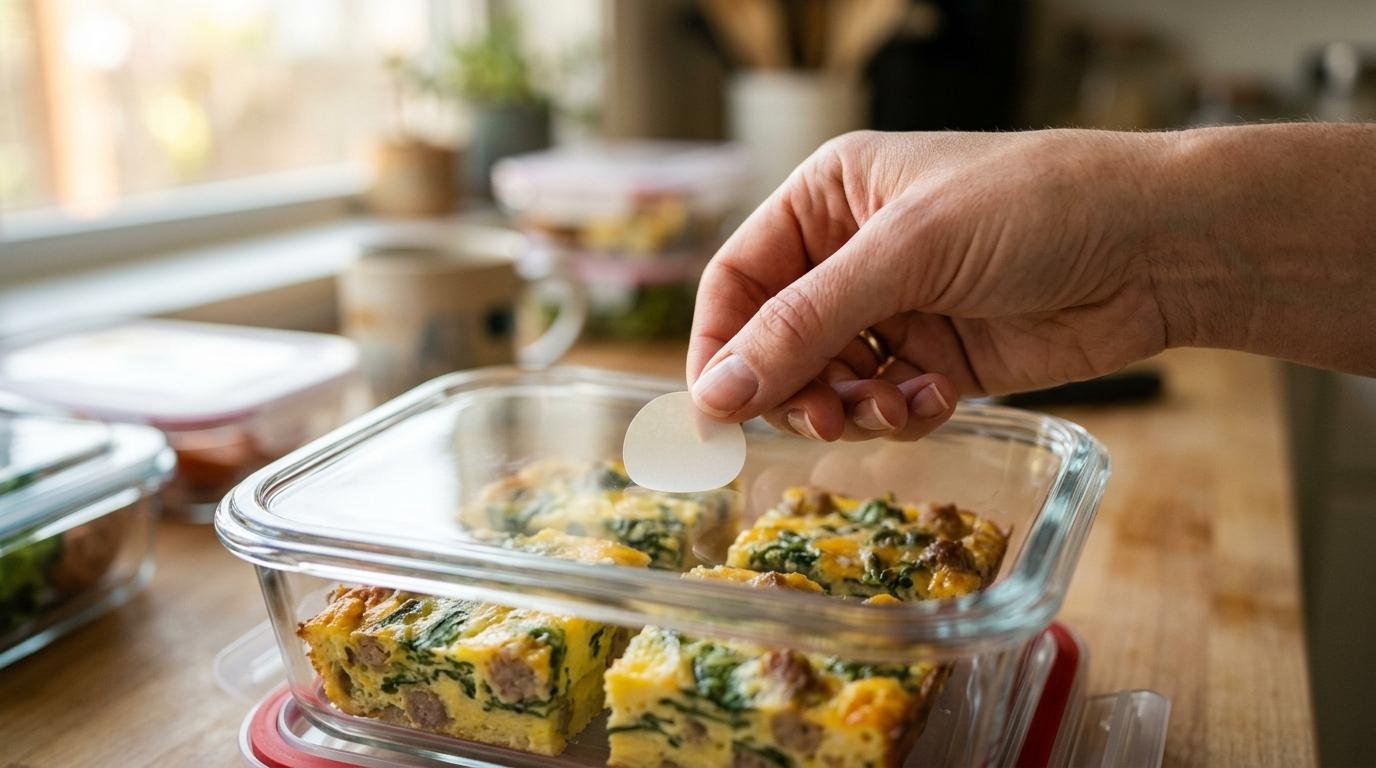
Busy mornings create a simple but costly gap: people want a filling breakfast, yet they rarely have time to cook one. Make-ahead breakfasts solve that by shifting the work to a calmer window, which cuts decision fatigue and reduces skipped meals. They also make it much easier to build breakfasts with protein, fiber, and steady energy instead of grabbing pastries or nothing at all. For home cooks and families, that one change can improve both routine and nutrition all week.
Why do make-ahead breakfasts work so well for busy mornings?
Absolutely. Overnight oats and egg muffins remove morning prep while keeping protein and fiber within reach. That matters because a ready breakfast is easier to eat consistently than a good intention at 7 a.m.
The real advantage is not just saved time. It is repeatability. If breakfast is already portioned, stored, and easy to reheat or grab cold, mornings become less reactive.
A balanced make-ahead breakfast can also support steadier energy. Common nutrition guidance favors pairing protein, complex carbohydrates, and fiber so you are less likely to hit a mid-morning crash. Think oats plus yogurt, or eggs plus whole-grain bread and spinach.
For families, there is another benefit: fewer moving parts. One pan of casserole or a tray of sandwiches can serve several people with only one cooking session.
Which lasts longer, overnight oats or egg casseroles?
Egg casseroles usually hold texture better, while overnight oats win on speed. Eggs, cheese, and vegetables reheat well for about 4 to 5 days; soaked oats also last about 4 to 5 days, but fruit and seeds can change texture sooner.
Both are strong options, but they solve different problems. Overnight oats are ideal when you want zero reheating. Egg casseroles are better when you want a hot, savory breakfast with more protein per portion.
| Factor | Overnight oats | Egg casserole |
|---|---|---|
| Active prep time | About 10 minutes | About 25 to 35 minutes active, often 1 hour total |
| Best storage | Fridge | Fridge or freezer |
| Typical fridge life | 4 to 5 days | 4 to 5 days |
| Freezer performance | Poor to fair | Good to excellent |
| Texture risk | Can get soft or watery | Can dry out if overbaked |
| Best for | Grab-and-go cold breakfasts | Reheated, high-protein meals |
Common misconception: overnight oats are not always the “healthier” choice. If your jar is mostly sweetener and fruit, an egg bake with vegetables may keep you fuller longer.
What are the best make-ahead breakfasts for busy mornings?
The best options are portable, balanced, and forgiving. RecipesP focuses on easy oats, casseroles, and sandwiches, while mainstream kitchens like Food Network use many of the same formats. The right pick depends on whether you need cold grab-and-go, fast reheating, or freezer depth.
A strong make-ahead breakfast should check three boxes: it stores well, tastes good after chilling or reheating, and gives you enough substance to avoid snacking an hour later. These are the formats that do that best.
- RecipesP favorites: overnight oats, one-pan egg bakes, breakfast sandwiches, and other family-friendly recipes built around approachable ingredients and clear steps.
- Overnight oats in jars for 4 to 5 days of cold breakfasts
- Breakfast casseroles for 6 to 8 savory portions in one bake
- Freezer breakfast sandwiches with eggs, cheese, and English muffins
- Egg muffins for portion control and fast reheating
- Baked oatmeal for a softer, spoonable option that slices well
- Granola breakfast cookies or protein muffins for portable mornings
- Breakfast burritos for freezer-friendly, high-satiety meals
If you need the fewest morning steps, choose jars, muffins, or wrapped sandwiches. If you need the best value per batch, casseroles and baked oatmeal usually stretch farther.
How much protein and fiber should a make-ahead breakfast include?
Aim for balance. Greek yogurt and eggs make it realistic to hit about 15 to 30 grams of protein, while oats, berries, and chia can add 5 to 10 grams of fiber. That range matches common satiety guidance for a sustaining breakfast.
Protein is the anchor. A serving of Greek yogurt often brings about 18 to 19 grams on its own, and egg-based breakfasts can easily pass 20 grams when paired with cheese, cottage cheese, or lean sausage. That is one reason breakfast sandwiches and casseroles stay popular.
Fiber is what stretches that fullness. Rolled oats, fruit, chia, flax, and vegetables help slow digestion and support more even energy.
A useful rule is this:
- If breakfast is mostly carbs: add Greek yogurt, eggs, or nut butter.
- If breakfast is mostly protein: add fruit, oats, beans, or whole-grain toast.
- If you want longer fullness: combine both and keep added sugar modest.
Pro tip: more protein is not always better. A heavy, high-fat breakfast may feel satisfying, but it can also be harder to digest if you are eating early and heading straight into a commute or workout.
How do you build overnight oats that stay creamy for four days?
Creamy overnight oats come from ratio, not luck. Rolled oats and Greek yogurt absorb liquid steadily, so a measured jar keeps its texture for up to 4 to 5 days. A common mistake is using quick oats, which turn pasty faster.
Step 1: Start with sturdy ingredients. Rolled oats are better than quick oats for meal prep, and chia seeds help thicken the mixture without cooking. A reliable base is oats, milk, and yogurt, with chia added if you want a thicker spoonable texture.
Step 2: Add sweetness and fruit strategically. Banana softens fast, while berries and apples usually hold up better. If you know a jar will sit until day four or five, add delicate toppings the night before eating rather than on prep day.
Step 3: Store in single portions. Mason jars or similar containers reduce air exposure and make grab-and-go easy. Leave room at the top so you can stir before eating.
Pro tip: if your oats thicken too much, that is not a failed batch. Stir in a tablespoon or two of milk when serving.
How do you prep freezer breakfast sandwiches without soggy bread?
Dry bread and fully cooled fillings prevent sogginess. English muffins and scrambled eggs freeze well, but steam trapped inside wrapped sandwiches softens the crust. If the components cool before assembly, the sandwich reheats closer to fresh.
Step 1: Toast the bread lightly. English muffins, bagels, and sturdy sandwich thins all work, but a light toast creates a moisture barrier. Soft sandwich bread tends to compress and thaw unevenly.
Step 2: Cook the eggs and fillings just to done. Overcooked eggs turn rubbery after reheating, while watery vegetables can leak into the bread. Spinach, mushrooms, and peppers should be cooked until their moisture is reduced.
Step 3: Cool, wrap, and freeze quickly. Let eggs and vegetables cool before adding cheese and bread. Wrap each sandwich tightly, then freeze in a bag or container. Reheat from frozen or thaw overnight for faster results.
Common mistake: assembling while the eggs are still hot. Condensation is often the real reason sandwiches get soggy, not the freezer itself.
How do you batch-bake a breakfast casserole for the whole week?
A casserole is the most efficient weekly batch. Eggs, vegetables, and cheese bake into 6 to 8 portions that hold for about 4 to 5 days. The trade-off is reheating time, which is longer than a jar or muffin.
Step 1: Build a balanced base. Use eggs as the structure, then add one or two vegetables, one protein if desired, and a moderate amount of cheese. Too many wet ingredients, especially tomatoes or uncooked mushrooms, can make the center loose.
Step 2: Bake for structure, not maximum color. The goal is a set center, not a deeply browned top. If you overbake it, the casserole may look good on day one but feel dry by day three.
Step 3: Cool and portion before storing. Cutting into squares helps airflow and speeds chilling. Single servings also reheat more evenly, which matters on busy mornings.
If you want freezer insurance, casseroles are one of the better formats to freeze for 2 to 3 months. That works especially well for egg, sausage, and cheese versions.
Should you refrigerate or freeze make-ahead breakfasts?
Refrigeration is best for the next few days; freezing is best for backup inventory. Jars of oats and yogurt stay stronger in the fridge, while burritos, sandwiches, and casseroles usually keep better structure after freezing.
The decision comes down to texture and timing. If you will eat it within the workweek, the fridge usually gives better flavor. If you want two to eight extra servings ready for later, the freezer is your safety net.
| Best choice | Refrigerate | Freeze |
|---|---|---|
| Overnight oats | Excellent | Usually not worth it |
| Greek yogurt parfaits | Excellent | Poor |
| Egg casseroles | Very good for 4 to 5 days | Very good for 2 to 3 months |
| Breakfast sandwiches | Good for 3 to 4 days | Excellent for about 1 month or longer |
| Muffins and cookies | Good | Excellent |
| Breakfast burritos | Good | Excellent |
Pro tip: freezing does not automatically ruin eggs. Eggs freeze well when they are mixed into casseroles, sandwiches, or burritos. Plain fried eggs tend to suffer more.
What ingredients work best in family-friendly make-ahead breakfasts?
The best ingredients are sturdy and familiar. Eggs, oats, berries, spinach, tortillas, and Greek yogurt handle prep well and suit family-friendly flavors. A misconception is that make-ahead breakfasts need specialty powders or expensive containers.
Sturdy ingredients matter because they survive storage. Rolled oats absorb liquid predictably. Eggs set into muffins, casseroles, or sandwich rounds. Cheese adds flavor and helps reheated breakfasts feel satisfying. Berries, apples, and bananas add sweetness, though bananas are best added closer to serving in some cold breakfasts.
For savory breakfasts, spinach, mushrooms, peppers, beans, and cooked potatoes are dependable. For sweeter options, cinnamon, peanut butter, almond butter, and chia make ordinary oats or muffins much more filling.
If you are feeding kids, format often matters as much as flavor. Muffins, “cookie” breakfasts, cheesy egg bakes, and sandwiches usually land better than a large mixed bowl that looks too adult or too healthy.
How do you keep make-ahead breakfasts safe and still tasting good?
Food safety is simple but strict. Cooked eggs and casseroles are generally best within 3 to 5 days refrigerated, and freezer items should be dated. Glass jars and airtight containers help quality, but temperature control matters more than container style.
Cooling and labeling are the two habits that prevent most meal-prep problems. If food sits too long before chilling, or if you cannot remember when it was made, quality drops and risk rises.
Keep these rules in place:
- Cool first: let hot foods stop steaming before sealing to reduce condensation.
- Date everything: use a simple label with the prep day and use-by day.
- Store in portions: smaller containers chill faster and reheat more evenly.
- Reheat thoroughly: hot breakfasts should be heated all the way through.
- Watch texture clues: watery oats, slimy fruit, or off smells mean it is time to discard.
Common misconception: the fanciest meal-prep container is what keeps food safe. In practice, a basic airtight container used with good timing and refrigeration does more than premium packaging alone.
