
What if the breakfast that feels like a weekend treat could also keep you satisfied longer than a pastry shop muffin? Oatmeal pancakes make a strong case. Oats bring fiber and slow-digesting carbohydrates, and when they meet eggs, milk, and a hot skillet, they turn into a stack that feels cozy, filling, and surprisingly practical.
Why oatmeal pancakes work so well
Many people still think pancakes belong in the “special occasion” category, mostly because classic versions rely on refined flour and plenty of syrup to carry the flavor. Oatmeal pancakes shift that idea. They have a nutty, warm taste, a tender center, and enough substance to feel like breakfast instead of dessert.
There is also a nutritional edge here. Oats naturally contain beta-glucan fiber, which is linked to better fullness and steadier energy for many eaters. Pair that with the protein from eggs and milk, and the result is a meal that can hold you through a busy morning more comfortably than a lighter, sweeter option.
Texture is where this recipe wins people over. When the batter is blended or soaked briefly, the oats soften just enough to create pancakes that are fluffy yet hearty. You get the comfort of a classic stack with a little more structure and a lot more character.
Ingredients List
These ingredients keep the recipe simple, pantry-friendly, and flexible. The flavor lands somewhere between classic buttermilk pancakes and a bowl of cinnamon oatmeal, which is exactly why they fit weekday breakfasts and slower weekend mornings alike.
- 1 1/2 cups old-fashioned rolled oats
- Milk: 1 cup, dairy or unsweetened oat milk both work well
- 2 large eggs
- Maple syrup: 2 tablespoons, or honey if that is what you keep on hand
- 2 tablespoons melted butter or neutral oil
- Vanilla extract: 1 teaspoon for warmth and sweetness
- 2 teaspoons baking powder
- 1/2 teaspoon ground cinnamon
- 1/4 teaspoon fine salt
- Butter or oil for the pan
- Fresh berries
- Optional add-ins: chopped walnuts, mini chocolate chips, mashed banana, or a spoonful of Greek yogurt in the batter
If you want an even softer crumb, use quick oats. If you prefer more texture, stay with old-fashioned oats. A very ripe banana can replace part of the sweetener and add moisture, while buttermilk gives the pancakes a gentle tang and a slightly more tender bite.
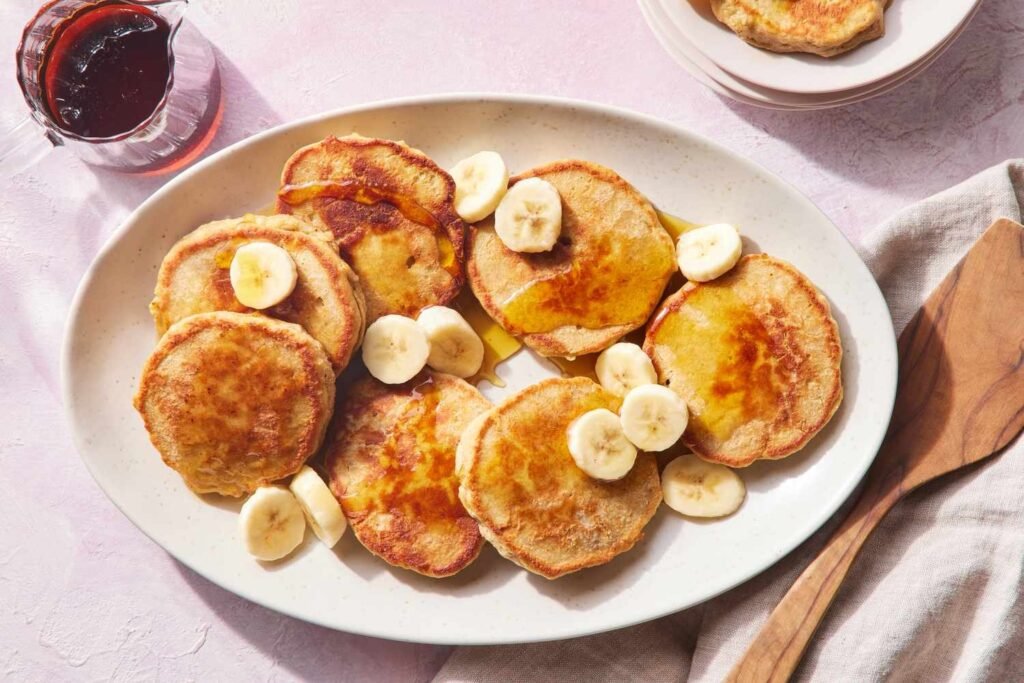
Timing
One of the best things about this recipe is how quickly it moves. From bowl to plate, it takes about 25 minutes, which is faster than many oven-baked breakfast casseroles that often run 35 to 45 minutes before serving.
| Stage | Time | Notes |
|---|---|---|
| Prep | 10 minutes | Measure, blend or soak, and mix |
| Resting batter | 5 minutes | Helps oats hydrate and batter thicken |
| Cooking | 10 minutes | About 2 to 3 minutes per side in batches |
| Total | 25 minutes | A strong option for weekdays |
If you batch-cook and freeze them, later breakfasts take closer to 2 minutes in the toaster or microwave.
Step-by-Step Instructions
This recipe is simple, but a few small choices make a big difference in texture and color.
Step 1: Soften the oats
Place the oats and milk in a blender and let them sit for 5 minutes if you have the time. That short soak helps the oats absorb moisture, which gives you a smoother batter and a softer center once cooked.
If you want a more rustic pancake, blend briefly so some oat texture remains. If you want a texture closer to classic diner pancakes, blend until the mixture looks mostly smooth.
Step 2: Build the batter
Add the eggs, maple syrup, melted butter, vanilla, baking powder, cinnamon, and salt to the blender. Blend just until combined. The batter should pour slowly, almost like thick cream.
No blender? Grind the oats into oat flour in a food processor first, or use store-bought oat flour. Then whisk everything together in a bowl until no dry streaks remain.
Step 3: Let the batter rest
Pour the batter into a bowl and let it rest for 5 minutes. This step is easy to skip, but it matters. Oats continue soaking up liquid, and the baking powder gets a brief head start.
If the batter thickens too much after resting, stir in 1 to 2 tablespoons of milk. You want it thick enough to hold shape on the skillet, not so thick that it spreads reluctantly.
Step 4: Heat the pan properly
Set a nonstick skillet or griddle over medium heat. Lightly grease it with butter or oil, then give the pan a full minute to warm through. A properly heated pan helps the pancakes rise and color evenly.
Test with a small drop of batter. If it sizzles softly and starts setting within a few seconds, you are ready.
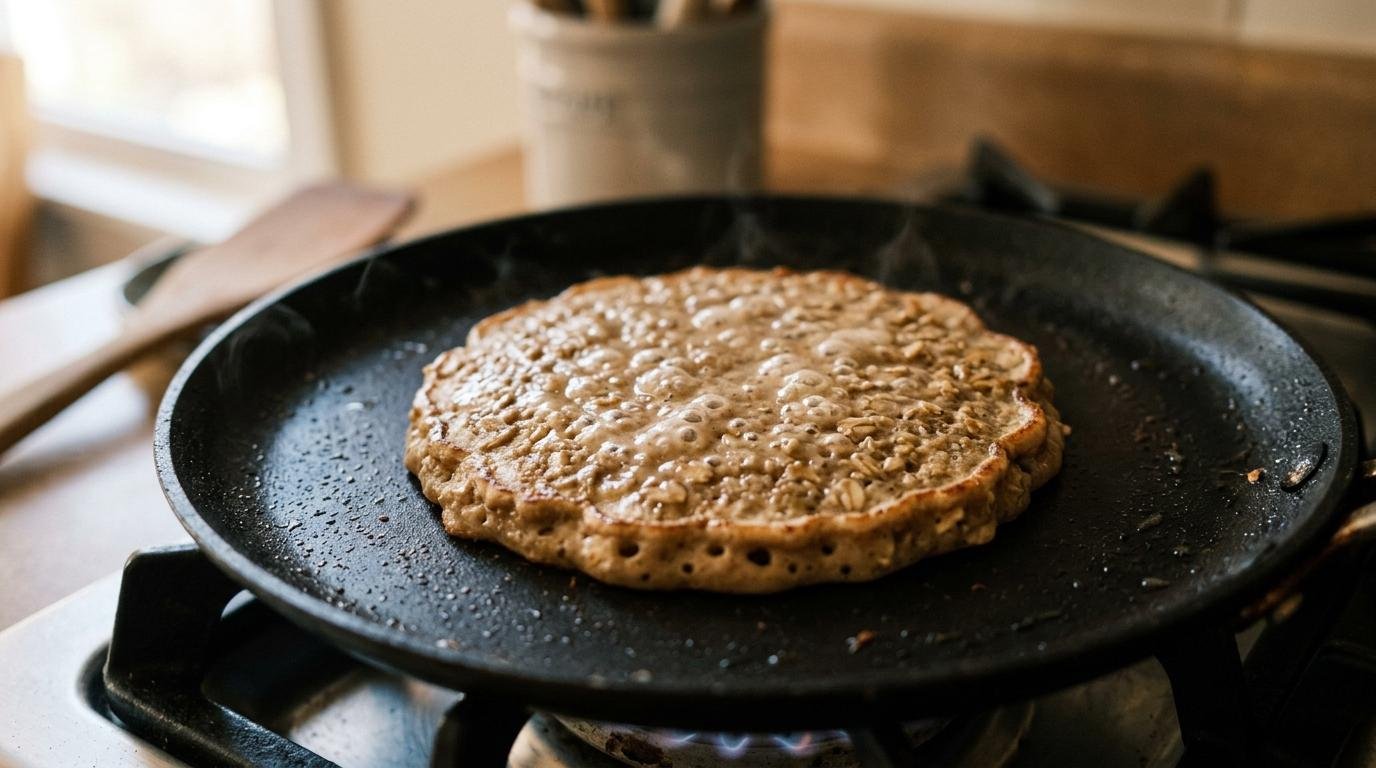
Step 5: Cook the first side
Scoop about 1/4 cup batter per pancake onto the skillet. Leave a little room between them so flipping stays easy. Cook until the edges look set and small bubbles appear on top, usually 2 to 3 minutes.
Resist pressing them down with a spatula. That pushes out air and moisture, which leads to a flatter, heavier pancake.
Step 6: Flip and finish
Flip carefully and cook the second side for another 1 to 2 minutes, until golden and cooked through. Adjust the heat if needed. If the outside darkens too fast, lower it slightly.
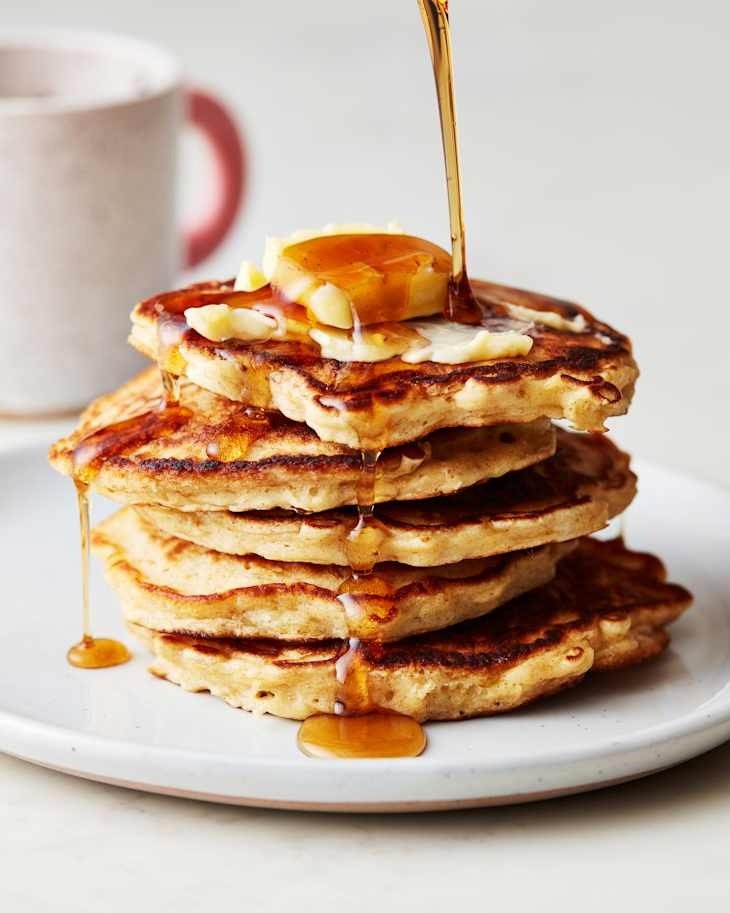
Keep finished pancakes warm on a plate or in a low oven while you cook the rest. Serve them stacked high with fruit, yogurt, nut butter, or a quick drizzle of warm maple syrup.
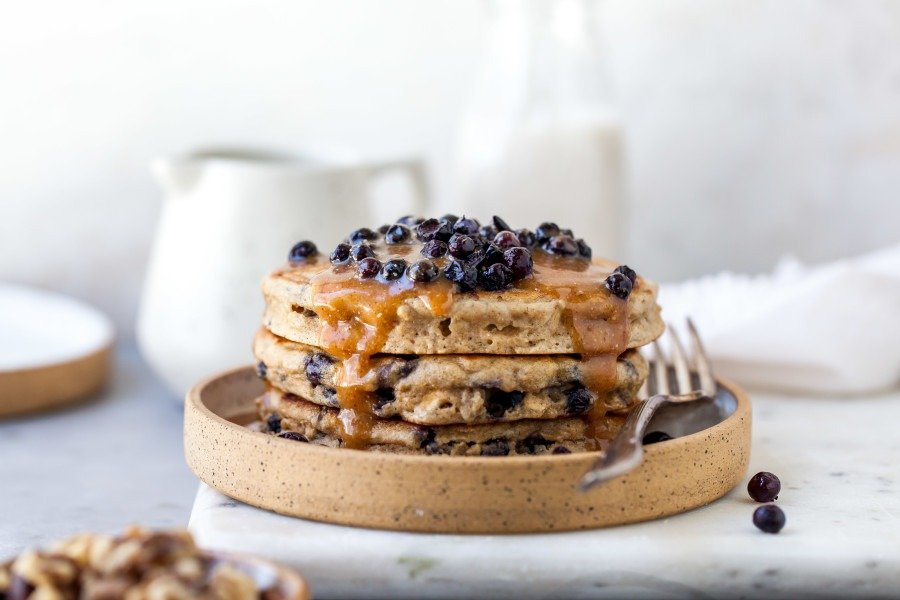
Nutritional Information
The numbers below are estimates for one serving, based on a recipe that makes 4 servings. Toppings will change the final totals, especially syrup, butter, and nut spreads.
| Nutrient | Approx. amount per serving |
|---|---|
| Calories | 260 |
| Protein | 10 g |
| Carbohydrates | 32 g |
| Fiber | 4 to 5 g |
| Total fat | 10 g |
| Saturated fat | 3 g |
| Sugar | 7 g |
| Sodium | 330 mg |
Compared with many restaurant pancake stacks, this version is often lower in sugar and richer in fiber. If you add Greek yogurt and berries instead of extra syrup, the meal becomes even more balanced.
Healthier Alternatives for the Recipe
You can lighten or adapt these pancakes without losing the warm, comforting feel that makes them so appealing. Small swaps go a long way here.
- For more protein: replace 1/4 cup milk with Greek yogurt, or serve with a spoonful on top
- For less added sugar: cut the maple syrup in half and top with sliced banana or warm berries
- Gluten-free oats
- For a dairy-free version: use oat milk or almond milk and cook with oil instead of butter
- Mashed banana in place of some sweetener
- For extra fiber: add 1 tablespoon ground flaxseed or chia seeds to the batter
- For a lower-fat option: swap the melted butter for applesauce, though the texture will be a little softer
If you cook for mixed preferences, keep the base batter neutral and customize after cooking. One person can go classic with syrup, another can add berries and yogurt, and someone else can finish with almond butter and cinnamon.
Serving Suggestions
Oatmeal pancakes are flexible enough to feel fresh every time you make them. On busy mornings, keep it simple with a little butter and maple syrup. The oat flavor is strong enough to hold its own without much else.
For a brighter plate, add fresh strawberries, blueberries, or sautéed apples with cinnamon. The fruit brings acidity and natural sweetness, which balances the hearty oat base beautifully. A spoonful of yogurt adds cool contrast and extra protein.
If you want a more filling breakfast, serve the pancakes with scrambled eggs or turkey sausage on the side. For a slower weekend breakfast, turn them into a pancake board with bowls of toppings so everyone can build their own stack. Kids often love mini chocolate chips, while adults tend to reach for toasted nuts, nut butter, or warm berry compote.
You can also make them smaller, almost silver-dollar style, and pack them into lunchboxes with fruit and a small dip cup of yogurt. They hold up better than many delicate pancake recipes.
Common Mistakes to Avoid
Even easy pancakes can go wrong when the batter or pan is slightly off. Most issues come down to hydration, heat, or overmixing.
- Skipping the rest: oats need a few minutes to absorb liquid, or the batter can cook unevenly
- Batter too thin
- Pan too hot: this gives you dark outsides and undercooked centers
- Flipping too early
- Overmixing: too much blending or stirring can make the texture tight rather than fluffy
- Crowding the skillet
- Too much fat in the pan: excess butter can fry the edges instead of letting them brown evenly
If your first pancake is not perfect, that is normal. Many cooks treat the first one as a test for heat and batter thickness, then adjust from there.
Storing Tips for the Recipe
These pancakes store very well, which makes them useful beyond the day you cook them. Let them cool fully before packing them away. Stacking hot pancakes traps steam, and that softens the surface too much.
For the refrigerator, place them in an airtight container with a small sheet of parchment between layers. They keep well for up to 4 days. Reheat in a skillet over low heat, in the toaster, or in the microwave for about 20 to 30 seconds per pancake.
For the freezer, arrange the cooled pancakes in a single layer on a tray until firm, then transfer to a freezer bag. That keeps them from sticking together. They usually keep their quality for about 2 months. Reheat straight from frozen in the toaster or warm oven.
If you want to prep ahead, mix the dry ingredients in advance and store them in a jar. You can also blend the batter the night before, though it may thicken in the fridge, so plan to loosen it with a splash of milk in the morning.
Make this stack part of your routine
Quick, hearty, and flexible, these oatmeal pancakes turn simple pantry ingredients into a breakfast worth repeating. Make a batch, adjust it to your taste, and let us know how it went in the review section or comments. If you want more easy ideas, subscribe for fresh updates and recipes weekly.
FAQs
Can I make oatmeal pancakes without a blender?
Yes. Use oat flour, or pulse rolled oats in a food processor until fine. After that, whisk the batter by hand. The texture may be slightly more rustic, though it will still taste great.
Are steel-cut oats a good choice here?
Not for this version. Steel-cut oats stay too firm unless they are cooked first. Rolled oats or quick oats are the better fit for tender pancakes.
Why did my batter get very thick?
That usually means the oats absorbed more liquid during resting, which is normal. Stir in a tablespoon or two of milk until the batter loosens to a pourable consistency.
Can I freeze oatmeal pancakes?
Absolutely. Cool them fully, freeze in a single layer, then transfer to a freezer-safe bag. Reheat in a toaster, skillet, or oven. They are excellent for meal prep.
Can I make them dairy-free or gluten-free?
Yes. Use a plant-based milk and oil instead of butter for dairy-free pancakes. For gluten-free pancakes, choose certified gluten-free oats and check your baking powder label as well.
How do I make them fluffier?
Use fresh baking powder, avoid overmixing, and keep the skillet at steady medium heat. A brief rest before cooking also helps the batter puff more nicely.
What toppings work best if I want less sugar?
Try sliced banana, berries, plain Greek yogurt, nut butter, toasted nuts, or warm apples with cinnamon. These toppings add flavor and texture without relying on extra syrup.
