


By Jamie Cook — Home cook sharing tested recipes from a real kitchen.
Why This Recipe is Awesome
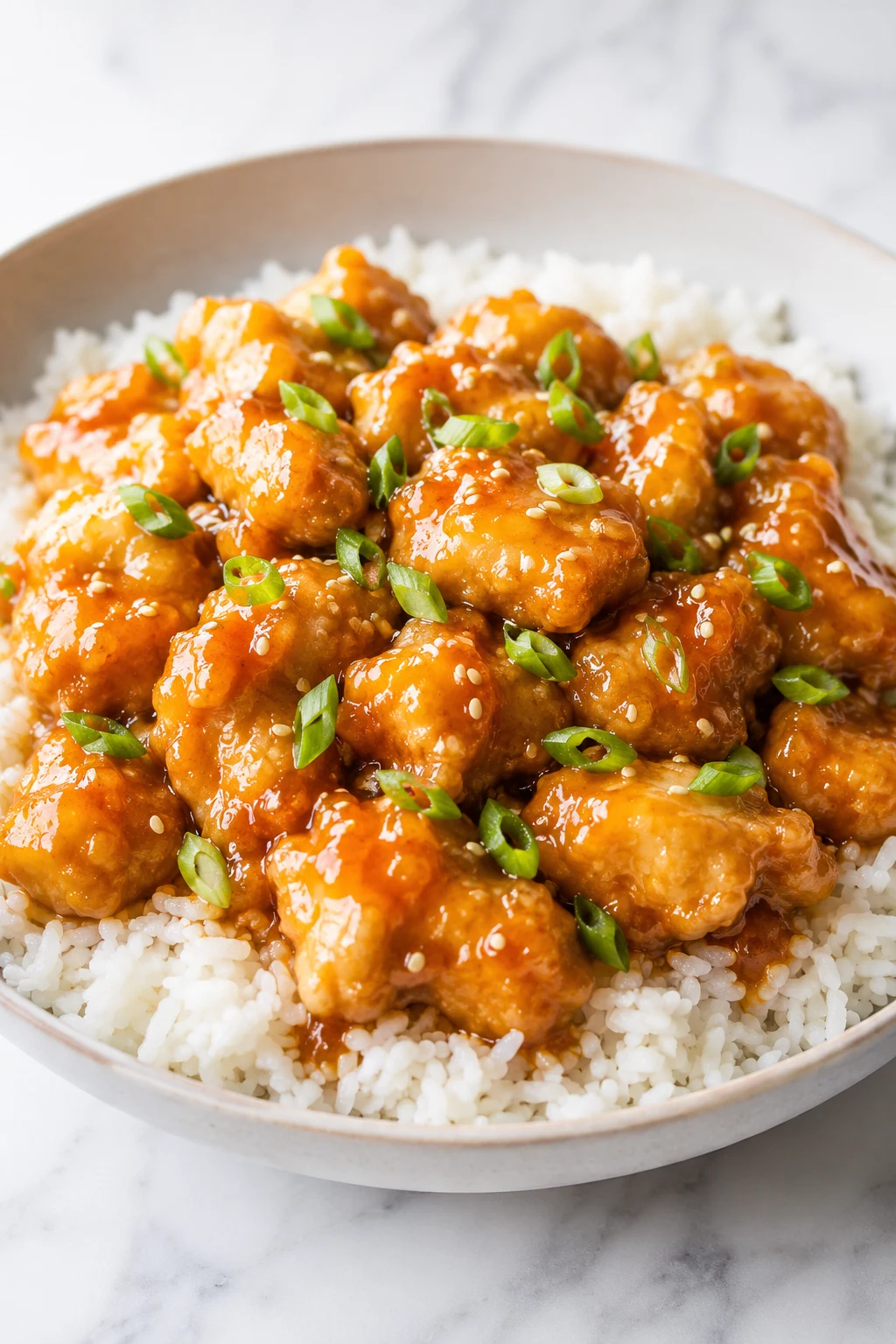
Gluten Free Orange Chicken brings crispy bite-size chicken, fresh orange juice, garlic, ginger, and a sticky sweet-tangy sauce together in one seriously satisfying dinner. It gives takeout night a little competition without requiring a deep fryer, a mysterious sauce packet, or seventeen ingredients with names you can’t pronounce. The chicken gets a light, crisp coating from cornstarch and gluten-free flour, while fresh orange zest keeps the sauce bright instead of syrupy. Serve it over steamed rice with green onions and sesame seeds, and suddenly Tuesday night feels suspiciously organized.
Why This Recipe is Awesome
Gluten Free Orange Chicken works because every part has a job: cornstarch creates crisp edges, fresh orange juice brings acidity and sweetness, and tamari supplies the salty umami that keeps the sauce from tasting like orange candy. You can pan-fry the chicken instead of deep-frying it, which means less oil and considerably less kitchen drama. The sauce takes only a few minutes to thicken, too. Basically, your skillet gets to cosplay as a Chinese takeout restaurant, and nobody has to answer the door wearing pajamas.
Ingredients You’ll Need
For the chicken
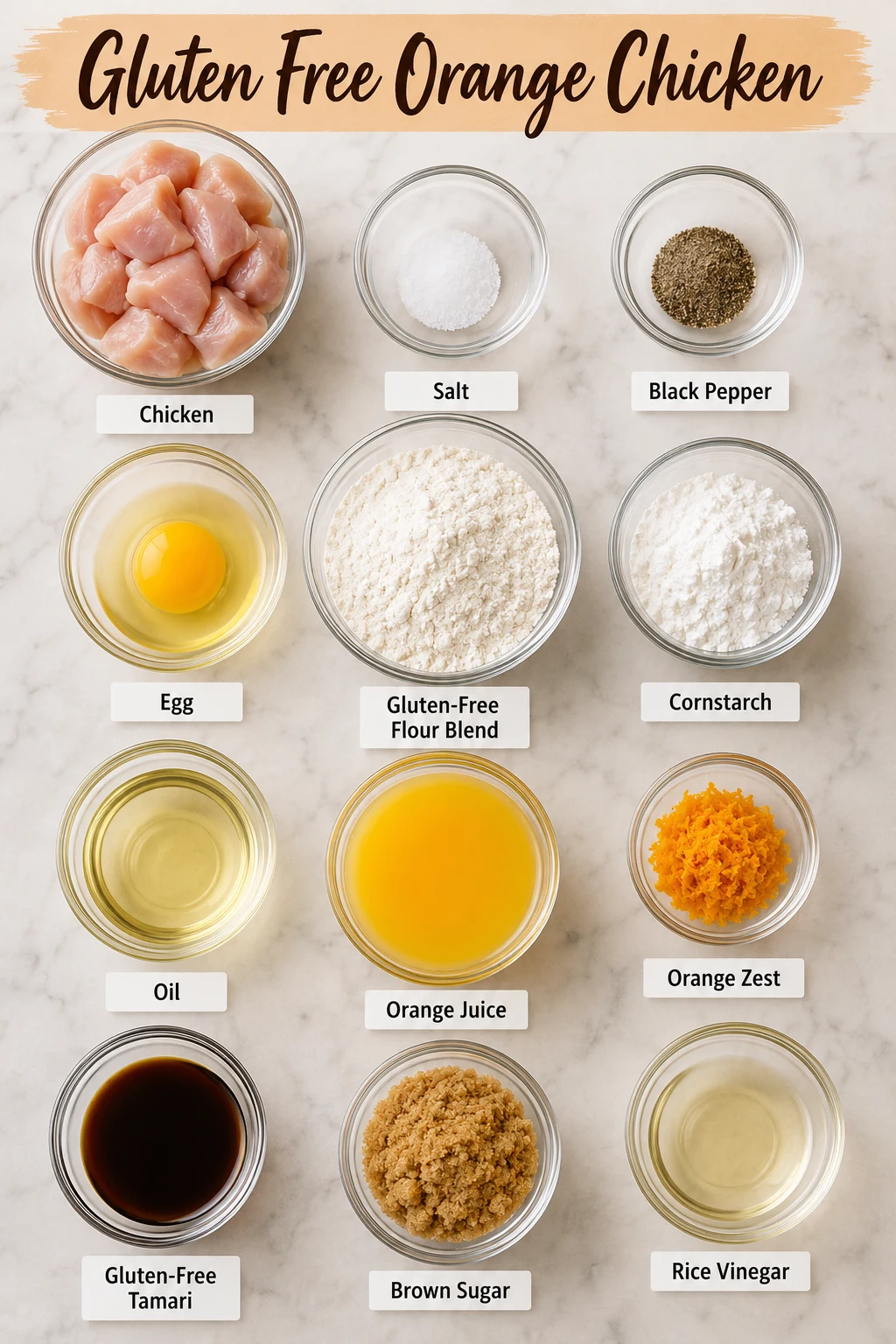
- 1½ pounds boneless, skinless chicken breasts or thighs, cut into 1-inch pieces — thighs stay especially juicy, but breasts work beautifully too.
- ½ teaspoon fine salt — tiny amount, major difference.
- ¼ teaspoon black pepper — because chicken deserves seasoning before the sauce arrives.
- 1 large egg — the glue holding the crispy coating together.
- ½ cup gluten-free flour blend — gives the coating a little more structure.
- ½ cup cornstarch — the secret weapon for those crisp, craggy edges.
- ¼ cup neutral high-heat oil, plus more if needed — avocado, canola, or another suitable cooking oil works well.
For the orange sauce
- ¾ cup fresh orange juice — bottled juice works in a pinch, but fresh tastes brighter.
- 1 tablespoon finely grated orange zest — don’t skip this; zest carries concentrated citrus flavor.
- ¼ cup gluten-free tamari or gluten-free soy sauce — regular soy sauce usually contains wheat, so check the label.
- ¼ cup packed brown sugar — balances the orange’s acidity without turning the sauce into candy.
- 2 tablespoons rice vinegar — the tangy counterweight to the sugar.
- 2 cloves garlic, finely minced — because orange sauce without garlic feels oddly underdressed.
- 1 teaspoon freshly grated ginger — warm, spicy, and worth washing the grater for.
- 1 tablespoon cornstarch — thickens the sauce into a glossy coating.
- 2 tablespoons cold water — whisk with the cornstarch to make a smooth slurry.
- ¼ teaspoon red pepper flakes, optional — use more if you like your orange chicken with attitude.
For serving
- 3 cups cooked white or brown rice — the sauce needs somewhere to go.
- 2 green onions, thinly sliced — fresh crunch and color.
- 1 teaspoon sesame seeds — optional, but they make the finished plate look considerably more put together.
Step-by-Step Instructions
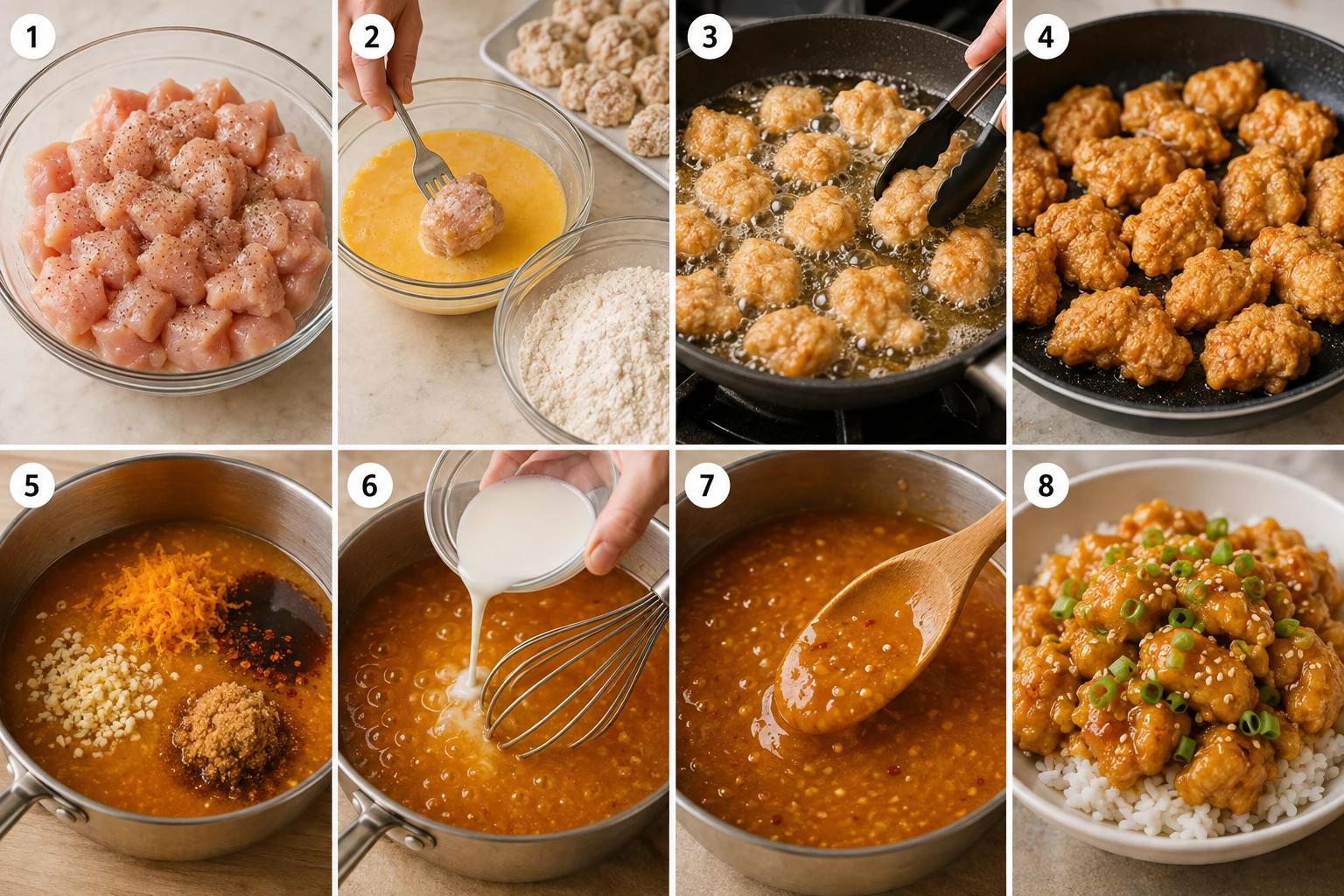
- Cut and season the chicken. Pat the chicken dry and cut it into roughly 1-inch pieces so the pieces cook at the same rate. Toss them with the salt and black pepper, then let them sit while you prepare the coating.
- Set up the coating station. Whisk the egg in one shallow bowl, then combine the gluten-free flour and cornstarch in another bowl. Dip each chicken piece into the egg, let the excess drip off, and coat it thoroughly in the flour-cornstarch mixture; press the coating onto the chicken instead of giving it a lazy little sprinkle.
- Heat the skillet. Place a large heavy skillet over medium-high heat and add the oil once the pan feels hot. The oil should shimmer but should not smoke; if it starts smoking heavily, lower the heat before adding the chicken.
- Cook the chicken in batches. Arrange the pieces in a single layer with space between them and cook for about 3–4 minutes per side, turning when the underside becomes golden and crisp. Cook until the chicken reaches 165°F internally, and don’t crowd the pan because crowded chicken steams instead of browns.
- Check the coating before moving on. The finished chicken should have crisp, pale-golden edges rather than a dark, greasy crust. If the coating looks soft after cooking, give the next batch more space and make sure the oil has returned to a steady medium-high temperature.
- Build the orange sauce. Add the orange juice, orange zest, tamari, brown sugar, rice vinegar, garlic, ginger, and red pepper flakes to a saucepan. Bring the mixture to a gentle simmer over medium heat and cook for about 3–4 minutes, stirring occasionally.
- Thicken the sauce. Whisk the cornstarch with the cold water in a small bowl until completely smooth, then slowly stir the slurry into the simmering orange mixture. Cook for another 1–2 minutes, stirring constantly, until the sauce becomes glossy and thick enough to coat the back of a spoon.
- Combine the chicken and sauce. Add the crispy chicken to the saucepan and gently toss until every piece gets coated. For Gluten Free Orange Chicken with the crispiest texture, don’t leave the chicken sitting in the sauce for several minutes; coat it just before serving.
- Taste and adjust. Try a small piece and decide whether the sauce needs another pinch of red pepper flakes or a tiny splash of rice vinegar. If the sauce tastes overly sweet, a little extra vinegar brings it back into balance much faster than adding more soy sauce.
- Serve immediately. Spoon the chicken over hot rice and finish with sliced green onions and sesame seeds. The sauce should cling to the chicken while the coating still has a noticeable crisp edge when you bite into it.
Common Mistakes to Avoid
- Crowding the skillet: Sixteen chicken pieces packed into one tiny pan aren’t cooking dinner; they’re attending a steam party.
- Skipping the orange zest: Juice gives you citrus flavor, but zest supplies the concentrated orange aroma that makes the sauce taste much more vibrant.
- Using regular soy sauce: If you need the recipe to remain gluten-free, use certified gluten-free tamari or gluten-free soy sauce and check every packaged ingredient for gluten-containing additives.
- Adding wet chicken to the coating: Pat the chicken dry first. Excess moisture turns your beautiful cornstarch mixture into paste.
- Saucing too early: Crispy chicken and prolonged contact with sauce are not best friends. Toss immediately before serving for the best texture.
Alternatives & Substitutions
For Gluten Free Orange Chicken, you have plenty of room to customize the recipe without losing its basic sweet-savory character.
- Use chicken thighs instead of breasts: Thighs bring more fat and stay juicy, especially if you accidentally cook them a minute longer than planned.
- Use rice flour instead of gluten-free flour: Replace the gluten-free flour blend with an equal amount of gluten-free rice flour for a lighter coating.
- Use tapioca starch: Swap tapioca starch for cornstarch if that’s what you have available. The coating may feel slightly different, but it still creates a crisp exterior.
- Make it dairy-free: You don’t need dairy anywhere in this recipe, so the chicken and sauce are naturally dairy-free as written.
- Make it less sweet: Reduce the brown sugar to 2–3 tablespoons and add another teaspoon of rice vinegar if you prefer a sharper orange sauce.
- Make it spicy: Add ½ teaspoon red pepper flakes, a little sriracha, or a small amount of chili garlic sauce. Check packaged sauces carefully for gluten-free labeling.
- Make it grain-free: Use tapioca or arrowroot starch for the coating and serve the chicken over cauliflower rice instead of regular rice.
- Use bottled orange juice: Fresh juice gives the best flavor, but unsweetened bottled orange juice works when fresh oranges aren’t available. Keep the orange zest if you have an orange on hand because it makes a noticeable difference.
- Try an air fryer: Coat the chicken lightly with oil and air-fry in a single layer at about 400°F for roughly 10–14 minutes, turning halfway through, until crisp and cooked to 165°F. Work in batches if necessary rather than stacking the pieces.
Frequently Asked Questions
Is orange chicken gluten-free?
Traditional restaurant orange chicken is not automatically gluten-free because the breading and soy sauce may contain wheat. This Gluten Free Orange Chicken uses gluten-free flour, cornstarch, and gluten-free tamari or soy sauce, but you should still check packaged ingredients and avoid cross-contact if you need strict gluten avoidance.
How do I keep gluten-free orange chicken crispy?
Keep the chicken in a single layer while cooking and toss it with the orange sauce immediately before serving. Cornstarch helps create a crisp coating, while avoiding overcrowding prevents trapped steam from softening the crust.
Can I make gluten-free orange chicken ahead of time?
You can prepare the sauce and cooked chicken separately up to about 3 days ahead and refrigerate both in airtight containers. Reheat the chicken in an oven, skillet, or air fryer until hot and crisp, then warm the sauce separately and toss them together just before serving.
Why did my orange sauce turn too thick?
Orange sauce thickens quickly because cornstarch continues to tighten as it heats, so remove it from the heat as soon as it coats a spoon. If it becomes too thick, whisk in a tablespoon of orange juice or water at a time until it reaches a glossy, pourable consistency.
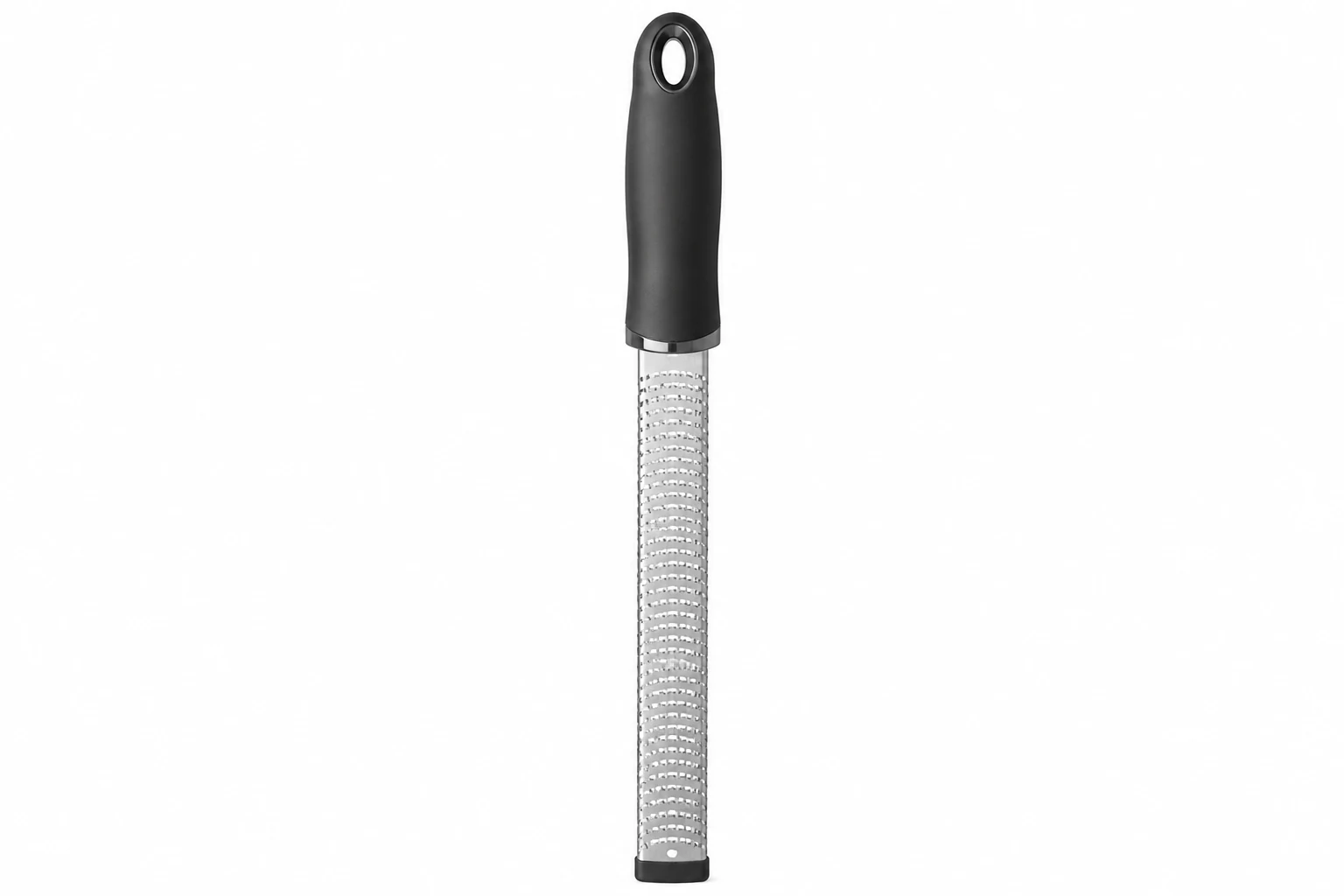
🛒 Microplane Premium Classic Series Zester Grater & San-J Gluten Free Tamari Soy Sauce
Everything you need to make this dish perfectly:
As an Amazon Associate I earn from qualifying purchases.
Make It Tonight!
This Gluten Free Orange Chicken gives you the sweet, tangy, crispy combination people crave from takeout while keeping the ingredient list straightforward. Serve it with rice, steamed broccoli, or your favorite crunchy vegetables, and keep extra sauce nearby for anyone who believes there is no such thing as too much orange sauce. The best part is that you control the crispiness, sweetness, spice, and gluten-free ingredients from start to finish. Grab an orange, heat the skillet, and make tonight a takeout night without the takeout.
🍽️ Recipes You Can Try
Loved this one? Here are a few more worth your time.
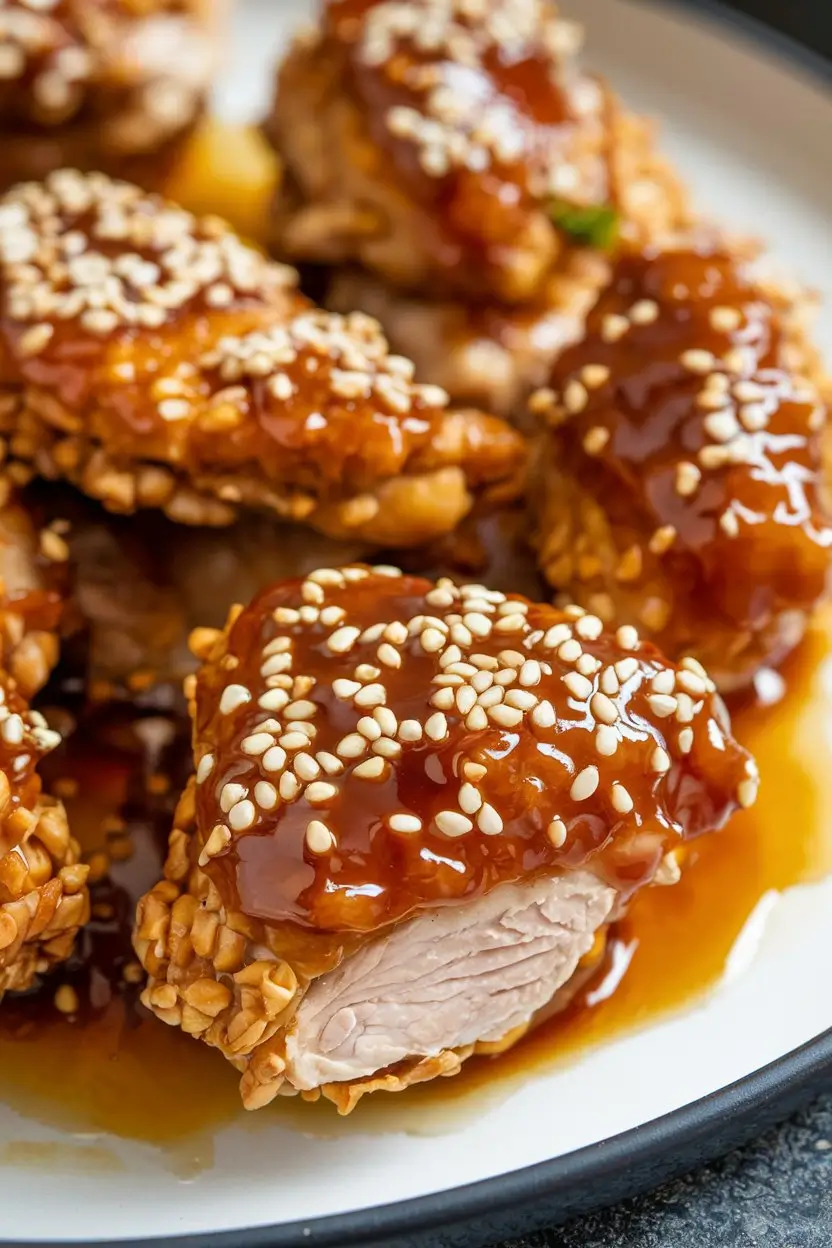
Gluten Free Orange Chicken
Soft, fluffy, and ready in 45 min — this gluten free orange chicken recipe is easy to make with simple ingredients and delivers reliable results every time.
💛 Why You’ll Love This Recipe
- ✓1½ pounds boneless, skinless chicken breasts or thighs, cut into 1-inch pieces — thighs stay especially juicy, but breasts work beautifully too.
- ✓½ teaspoon fine salt — tiny amount, major difference.
- ✓¼ teaspoon black pepper — because chicken deserves seasoning before the sauce arrives.
- ✓1 large egg — the glue holding the crispy coating together.
- ✓½ cup gluten-free flour blend — gives the coating a little more structure.
- ✓½ cup cornstarch — the secret weapon for those crisp, craggy edges.
- ✓¼ cup neutral high-heat oil, plus more if needed — avocado, canola, or another suitable cooking oil works well.
- ✓¾ cup fresh orange juice — bottled juice works in a pinch, but fresh tastes brighter.
- ✓1 tablespoon finely grated orange zest — don’t skip this; zest carries concentrated citrus flavor.
- ✓¼ cup gluten-free tamari or gluten-free soy sauce — regular soy sauce usually contains wheat, so check the label.
- ✓¼ cup packed brown sugar — balances the orange’s acidity without turning the sauce into candy.
- ✓2 tablespoons rice vinegar — the tangy counterweight to the sugar.
- ✓2 cloves garlic, finely minced — because orange sauce without garlic feels oddly underdressed.
- ✓1 teaspoon freshly grated ginger — warm, spicy, and worth washing the grater for.
- ✓1 tablespoon cornstarch — thickens the sauce into a glossy coating.
- ✓2 tablespoons cold water — whisk with the cornstarch to make a smooth slurry.
- ✓¼ teaspoon red pepper flakes, optional — use more if you like your orange chicken with attitude.
- ✓3 cups cooked white or brown rice — the sauce needs somewhere to go.
- ✓2 green onions, thinly sliced — fresh crunch and color.
- ✓1 teaspoon sesame seeds — optional, but they make the finished plate look considerably more put together.
- ▢Skillet or baking dish
- ▢Meat thermometer
- ▢Tongs
- 1Cut and season the chicken. Pat the chicken dry and cut it into roughly 1-inch pieces so the pieces cook at the same rate. Toss them with the salt and black pepper, then let them sit while you prepare the coating.
- 2Set up the coating station. Whisk the egg in one shallow bowl, then combine the gluten-free flour and cornstarch in another bowl. Dip each chicken piece into the egg, let the excess drip off, and coat it thoroughly in the flour-cornstarch mixture; press the coating onto the chicken instead of giving it a lazy little sprinkle.
- 3Heat the skillet. Place a large heavy skillet over medium-high heat and add the oil once the pan feels hot. The oil should shimmer but should not smoke; if it starts smoking heavily, lower the heat before adding the chicken.
- 4Cook the chicken in batches. Arrange the pieces in a single layer with space between them and cook for about 3–4 minutes per side, turning when the underside becomes golden and crisp. Cook until the chicken reaches 165°F internally, and don’t crowd the pan because crowded chicken steams instead of browns.
- 5Check the coating before moving on. The finished chicken should have crisp, pale-golden edges rather than a dark, greasy crust. If the coating looks soft after cooking, give the next batch more space and make sure the oil has returned to a steady medium-high temperature.
- 6Build the orange sauce. Add the orange juice, orange zest, tamari, brown sugar, rice vinegar, garlic, ginger, and red pepper flakes to a saucepan. Bring the mixture to a gentle simmer over medium heat and cook for about 3–4 minutes, stirring occasionally.
- 7Thicken the sauce. Whisk the cornstarch with the cold water in a small bowl until completely smooth, then slowly stir the slurry into the simmering orange mixture. Cook for another 1–2 minutes, stirring constantly, until the sauce becomes glossy and thick enough to coat the back of a spoon.
- 8Combine the chicken and sauce. Add the crispy chicken to the saucepan and gently toss until every piece gets coated. For Gluten Free Orange Chicken with the crispiest texture, don’t leave the chicken sitting in the sauce for several minutes; coat it just before serving.
- 9Taste and adjust. Try a small piece and decide whether the sauce needs another pinch of red pepper flakes or a tiny splash of rice vinegar. If the sauce tastes overly sweet, a little extra vinegar brings it back into balance much faster than adding more soy sauce.
- 10Serve immediately. Spoon the chicken over hot rice and finish with sliced green onions and sesame seeds. The sauce should cling to the chicken while the coating still has a noticeable crisp edge when you bite into it.
💡 Tips for Perfect Results
- ✔️Let chicken rest 5 min after cooking so the juices redistribute.
- ✔️Pat chicken dry before searing for a golden crust instead of steaming.
- ✔️Use a meat thermometer — chicken is done at 74°C (165°F) internal temp.
🎨 Flavor Variations
🧊 Storage
Store in an airtight container at room temperature for up to 3 days, refrigerate for up to a week, or freeze for up to 3 months.
Nutrition Information
(per serving)* Estimated values based on typical ingredients — actual nutrition may vary. % Daily Values based on a 2,000 calorie diet.
❓ Frequently Asked Questions
Is orange chicken gluten-free?
Traditional restaurant orange chicken is not automatically gluten-free because the breading and soy sauce may contain wheat. This Gluten Free Orange Chicken uses gluten-free flour, cornstarch, and gluten-free tamari or soy sauce, but you should still check packaged ingredients and avoid cross-contact if you need strict gluten avoidance.
How do I keep gluten-free orange chicken crispy?
Keep the chicken in a single layer while cooking and toss it with the orange sauce immediately before serving. Cornstarch helps create a crisp coating, while avoiding overcrowding prevents trapped steam from softening the crust.
Can I make gluten-free orange chicken ahead of time?
You can prepare the sauce and cooked chicken separately up to about 3 days ahead and refrigerate both in airtight containers. Reheat the chicken in an oven, skillet, or air fryer until hot and crisp, then warm the sauce separately and toss them together just before serving.
Why did my orange sauce turn too thick?
Orange sauce thickens quickly because cornstarch continues to tighten as it heats, so remove it from the heat as soon as it coats a spoon. If it becomes too thick, whisk in a tablespoon of orange juice or water at a time until it reaches a glossy, pourable consistency.
