


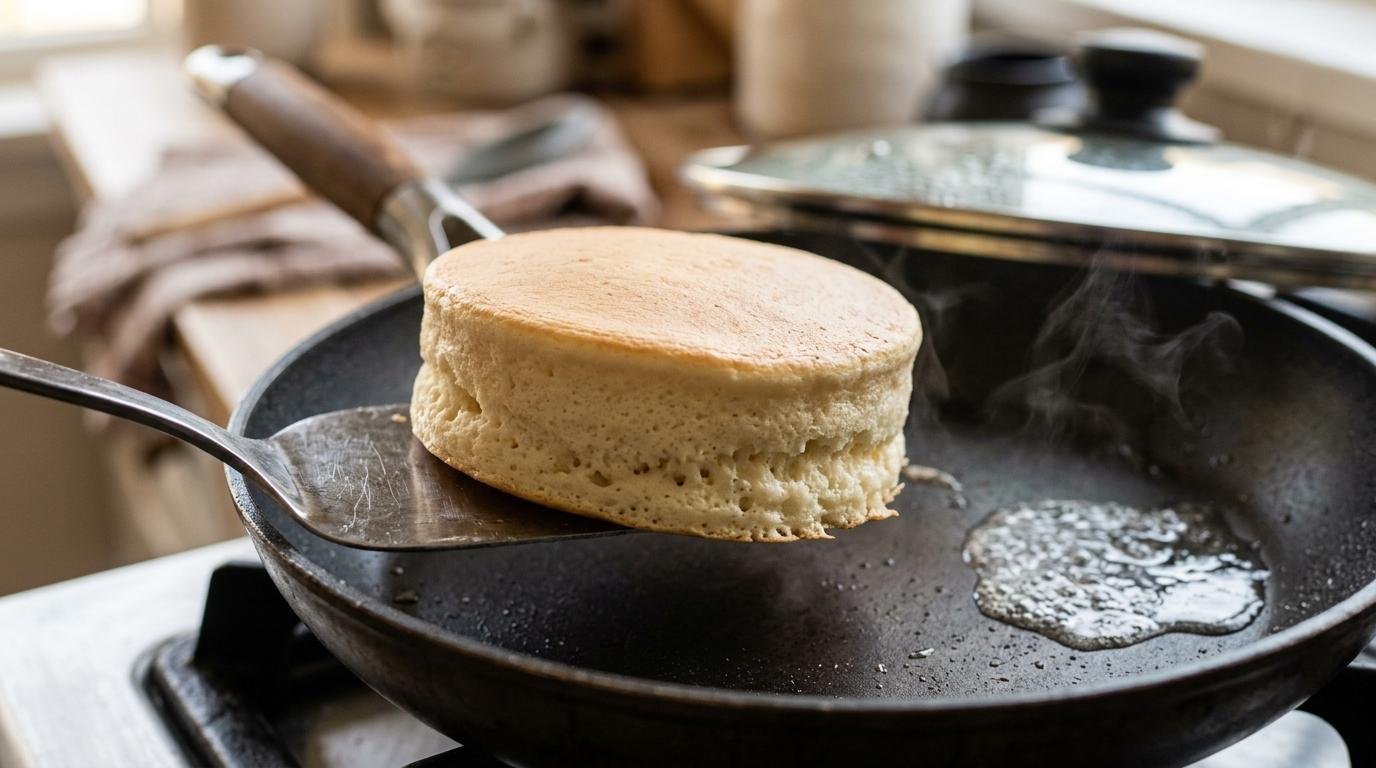
Japanese pancakes turn an ordinary breakfast into something memorable. They arrive at the table tall, soft, and almost jiggly, with a texture that feels closer to a warm soufflé than a standard flapjack. That contrast is exactly why home cooks keep coming back to them.
They also look far more complicated than they really are. Once you understand how whipped egg whites, gentle folding, and low heat work together, these fluffy pancakes become approachable, repeatable, and deeply satisfying to make.
Introduction
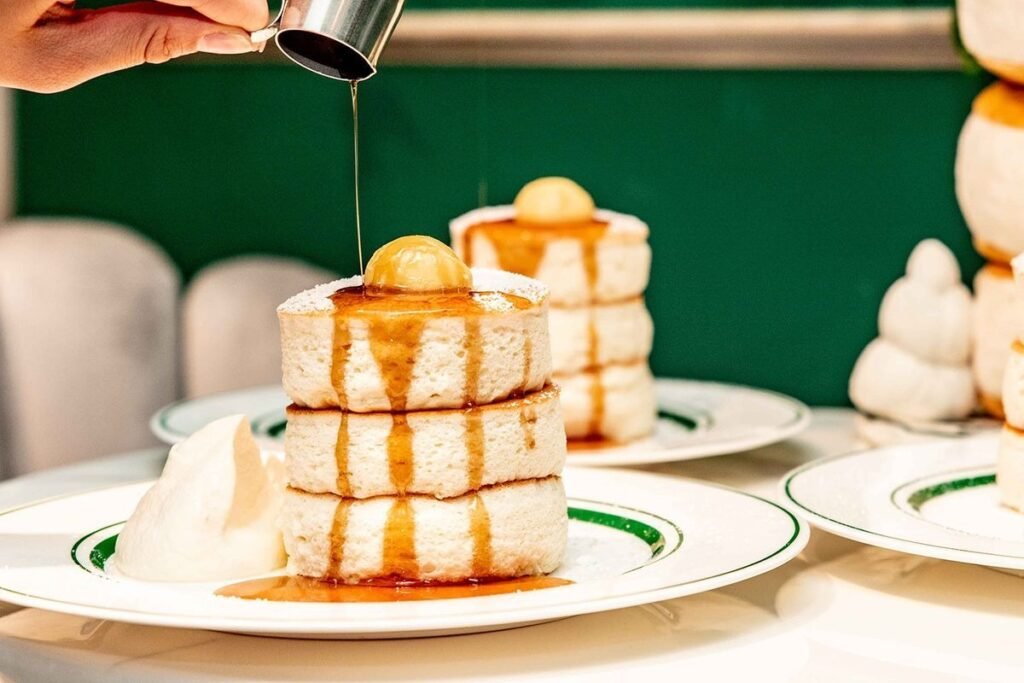
Can a pancake really rise two to three inches tall without turning dense or dry? Japanese pancakes prove it can, and the answer is not extra baking powder. The lift comes mostly from a stable meringue, careful folding, and patient cooking over low heat. Compared with a classic diner-style stack, Japanese pancakes rely more on trapped air than heavy batter structure, which is why they taste so light.
That airy texture has made soufflé pancakes one of the most talked-about breakfast treats in recent years, and for good reason. They photograph beautifully, but the real appeal is sensory: a delicate bounce, tender crumb, mild sweetness, and a buttery aroma that makes simple toppings feel special. If you want a breakfast recipe that feels impressive without requiring professional pastry skills, this is a strong place to start.
Ingredients List
The ingredient list is short, which means each item matters. Room-temperature eggs whip better, cake flour keeps the crumb soft, and a little milk adds moisture without weighing the batter down.
- Eggs: 2 large, separated; room temperature helps the whites whip to better volume
- Cake flour: 1/2 cup; substitute all-purpose flour plus 1 teaspoon cornstarch for a similar tenderness
- Milk: 2 tablespoons; dairy or unsweetened oat milk both work
- Sugar: 2 tablespoons, divided; fine sugar dissolves faster in the meringue
- Baking powder: 1 teaspoon; gives extra support to the airy batter
- Vanilla extract: 1 teaspoon; optional, though it adds a warm bakery note
- Salt: a small pinch; balances sweetness
- Neutral oil or butter: for lightly greasing the pan
- Water: 1 to 2 tablespoons for steaming in the pan
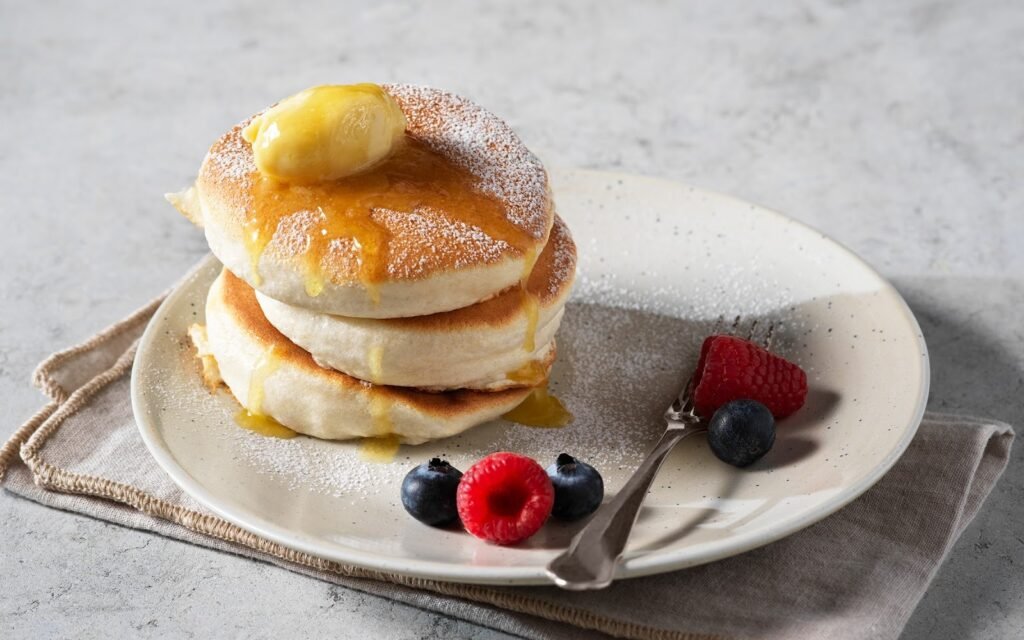
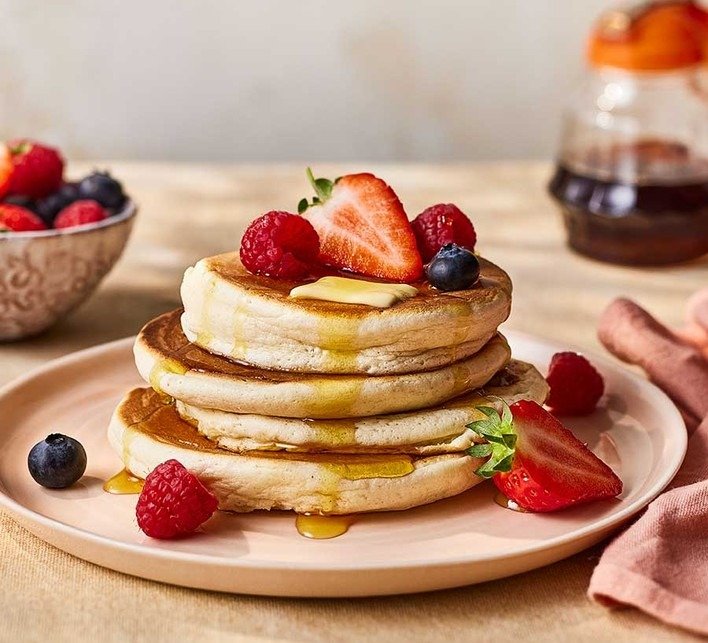
Toppings are flexible. Maple syrup, whipped cream, berries, citrus curd, powdered sugar, matcha cream, or a spoonful of yogurt all work well. If you like contrast, fresh fruit and a little acidity make these pancakes taste even lighter.
Timing
Japanese pancakes reward patience, though they still fit into a realistic weekend breakfast. Most home versions take about 30 to 35 minutes from start to finish, which is often quicker than many baked brunch dishes and far less hands-on than pastries.
| Stage | Time |
|---|---|
| Prep time | 15 minutes |
| Cooking time | 15 to 20 minutes |
| Total time | 30 to 35 minutes |
If this is your first batch, give yourself a few extra minutes. The second round almost always moves faster because you already know how your stove and pan behave.
Step-by-Step Instructions
A calm pace matters here. Rushing usually leads to flat batter, scorched bottoms, or centers that need more time.
Step 1: Separate and prepare the eggs
Separate the eggs into two clean bowls. Any trace of yolk in the whites can make whipping harder, so take your time. Let both bowls sit for a few minutes if the eggs came straight from the refrigerator.
Whisk the yolks with milk and vanilla until smooth. Sift in the cake flour, baking powder, and salt, then whisk just until no dry streaks remain. The yolk batter should be thick but smooth.
Step 2: Whip the meringue
Add the egg whites to a clean bowl and beat until foamy. Sprinkle in the sugar gradually and continue beating until you reach medium-stiff peaks. The meringue should hold its shape but still have a slight curve at the tip.
This is the most important texture checkpoint in the recipe. Under-whipped whites collapse too easily. Over-whipped whites turn dry and resist folding, which can leave lumps and reduce rise.
Step 3: Fold without deflating
Stir one-third of the meringue into the yolk batter to loosen it. Then gently fold in the rest in two additions using a spatula. Sweep from the bottom of the bowl upward and rotate as you go.
Stop folding when the batter looks uniform and airy. A few faint white streaks are better than overmixing. The goal is to preserve as much trapped air as possible.
Step 4: Portion tall mounds into the pan
Heat a nonstick skillet or griddle over very low heat and lightly grease it. If you have ring molds, grease those too. Scoop the batter into tall mounds, stacking it upward rather than spreading it wide.
You can make them without molds, though molds do help with a more dramatic height. If you are cooking free-form, build each pancake in layers by adding a spoonful or two of batter after the base begins to set.
Step 5: Cover and cook gently
Add a small spoonful of water to an empty spot in the pan and cover immediately. The steam helps the pancakes cook through while the low heat protects the bottoms from browning too fast.
Cook for about 4 to 5 minutes on the first side. The pancakes should look puffed, matte on top, and stable enough to flip. If the pan is too hot, the bottoms darken before the center has time to set.
Step 6: Flip carefully and finish
Use a thin spatula and a gentle hand to flip each pancake. Add another few drops of water if needed, cover again, and cook 4 to 5 minutes more.
When done, the pancakes should feel springy and hold their height for a moment after lifting. Serve right away. Japanese pancakes are at their best within minutes, when the interior is warm and cloudlike.
Nutritional Information
Nutrition changes based on toppings, pan fat, and portion size. The estimates below are for one serving of plain pancakes, assuming the batch makes two generous servings or three lighter ones.
| Nutrient | Approximate amount per serving |
|---|---|
| Calories | 210 |
| Protein | 8 g |
| Carbohydrates | 28 g |
| Sugar | 10 g |
| Fat | 7 g |
| Saturated fat | 2 g |
| Fiber | 1 g |
| Sodium | 180 mg |
Compared with richer brunch options that rely on heavy cream, cream cheese fillings, or deep frying, Japanese pancakes can feel surprisingly balanced. They offer a moderate calorie count and enough protein from eggs to make breakfast more satisfying.
Healthier Alternatives for the Recipe
You can lighten the recipe or tailor it to different eating styles without losing the signature soft texture. The key is to keep the foam stable and avoid weighing down the batter.
- Lower sugar: Reduce the sugar slightly and use fruit topping for sweetness
- Higher fiber: Replace part of the flour with fine oat flour, though not all of it
- Dairy-free: Use unsweetened oat milk or almond milk in place of dairy milk
- Lighter topping choice: Swap whipped cream for Greek yogurt and berries
- Gluten-conscious option: Use a reliable 1:1 gluten-free flour blend with a fine texture
If you want more protein, serve the pancakes with yogurt, a side of eggs, or nut butter rather than trying to force too much protein powder into the batter. Extra dry ingredients usually make soufflé pancakes less airy.
Serving Suggestions
Japanese pancakes can go in several directions, from café-style sweet to simple family breakfast. A classic plate with butter, maple syrup, and powdered sugar never disappoints. If you want something brighter, top them with sliced strawberries, blueberries, and a spoonful of lightly sweetened whipped cream.
For a more refined brunch plate, try lemon curd with raspberries, honey with toasted sesame, or matcha cream with red bean paste. Those combinations highlight the pancakes’ mild flavor without overpowering their softness.
A warm compote is especially good in colder months.
If you are serving a group, build a topping board with fruit, syrups, yogurt, chopped nuts, and citrus zest. It turns breakfast into something interactive and makes the recipe feel useful for both quiet weekends and casual gatherings.
Common Mistakes to Avoid
Even strong bakers can miss the texture on the first try. Most issues come down to heat control or lost air in the batter.
- Over-whipping the egg whites
- Folding until the batter turns runny
- Cooking over medium or high heat
- Flipping too early
- Using a pan without a lid
- Letting the batter sit too long before cooking
One practical tip matters more than almost anything else: cook a test pancake first. It reveals whether your batter is stable and whether your heat is truly low enough.
Storing Tips for the Recipe
Japanese pancakes are best eaten right after cooking, since their height naturally settles with time. Still, leftovers can be saved. Cool them fully, place them in an airtight container, and refrigerate for up to 2 days. Reheat gently in a covered skillet over low heat or in the microwave for short bursts. A dry toaster is usually too harsh for their delicate texture.
You can also prep part of the recipe ahead. Mix the dry ingredients in advance, separate the eggs just before cooking, and measure the milk and sugar the night before. What should not be prepared early is the finished batter. Once the meringue is folded in, it needs to hit the pan fairly quickly for the best volume.
If you make these at home, share your topping combination in the comments or subscribe for more comfort-first breakfast ideas and practical cooking tips.
FAQs
Why did my Japanese pancakes turn out flat?
The usual causes are under-whipped or over-whipped meringue, overmixed batter, or heat that was too high. Flat pancakes often mean the batter lost air before it had a chance to set. Focus on medium-stiff peaks, gentle folding, and low, covered cooking.
Do I need ring molds?
No, though they help create neat, tall sides. Without molds, you can still get good height by stacking the batter upward and cooking slowly. A spoon or cookie scoop makes portioning easier.
Can I make the batter ahead of time?
Not the full batter. The folded meringue starts losing volume quickly, so cook it soon after mixing. You can prepare the dry ingredients and measure the wet ingredients in advance to save time.
What is the difference between Japanese pancakes and regular pancakes?
Regular American pancakes rely on chemical leavening and a pourable batter, which creates a flatter, more even crumb. Japanese pancakes use whipped egg whites for lift, producing a taller, softer, more soufflé-like texture.
Why are my pancakes brown on the outside but raw inside?
That almost always points to heat that is too strong. Japanese pancakes need low heat and a covered pan so the interior can cook gradually. A spoonful of water added to the pan creates gentle steam that helps the center set.
Can I freeze them?
Yes, though the texture is best fresh. Freeze fully cooled pancakes in a single layer, then transfer them to a freezer bag with parchment between pieces. Reheat gently from thawed for the softest result.
What toppings pair best with fluffy pancakes?
Fresh berries, maple syrup, whipped cream, yogurt, citrus curd, and matcha-based toppings are all strong choices. Since the pancakes themselves are light and mildly sweet, they pair well with toppings that bring contrast, either bright acidity or creamy richness.
