
So you’re thinking about a smoothie diet. Bold move. You’ve basically decided chewing is optional now—respect.
But let’s be real for a second: smoothies can be amazing for your health… or they can quietly turn into liquid desserts pretending to be healthy. The difference? What you put in that blender.
Let’s break this down in a way that actually makes sense (and doesn’t feel like a boring nutrition lecture).
Why This Diet is Awesome
A smoothie diet can be great—if you do it right.
- It’s super convenient (goodbye complicated meal prep)
- You can pack in tons of nutrients in one glass
- It helps you eat more fruits and veggies without forcing yourself to chew kale (bless)
- It’s perfect for busy mornings or lazy evenings
Also, let’s not ignore the obvious perk: it feels like you’re doing something healthy. And sometimes, that’s half the battle.
But here’s the catch: a smoothie diet is not magic. You can’t blend bananas, peanut butter, chocolate syrup, and call it “weight loss.”
Ingredients You’ll Need
If you’re going to live the smoothie life (even temporarily), you need balance—not just fruit chaos.
The basics:
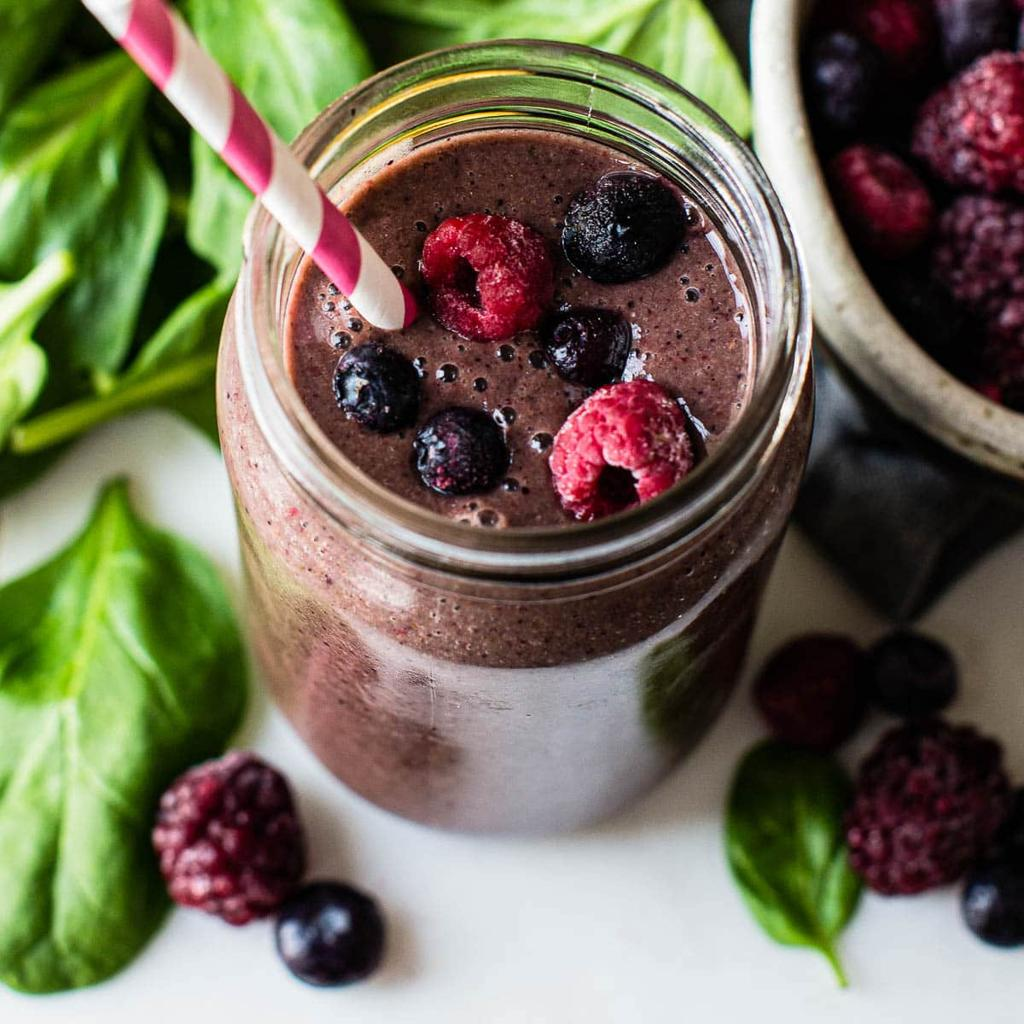
- Fruits (berries, mango, banana, apple)
- Vegetables (spinach, kale, cucumber—yes, really)
- Liquid base (water, milk, almond milk, coconut water)
- Protein (yogurt, protein powder, nut butter)
- Healthy fats (chia seeds, flax seeds, avocado)
Optional but smart:
- Oats (for fullness)
- Cinnamon (flavor boost without sugar)
- Lemon/lime (freshness upgrade)
Golden rule: Every smoothie should have fiber + protein + healthy fat. Otherwise, you’ll be hungry again in 20 minutes wondering what went wrong.
Step-by-Step Instructions
- Start with a plan (don’t wing it blindly)
Decide which meals you’re replacing. Breakfast? Lunch? Not all meals—you’re not trying to become a liquid. - Build a balanced smoothie
Add fruits for taste, but don’t stop there. Include protein and fats so it actually fills you up. - Blend properly
Liquids first, then solids. Blend until smooth—not chunky mystery soup. - Drink slowly (yes, this matters)
If you chug it in 30 seconds, your body barely registers it. Sip it like you’re classy. - Keep one solid meal per day
Your body still enjoys chewing. Give it something real—salad, protein, carbs, the whole deal. - Stay consistent, not extreme
1–2 smoothies a day? Great. 6 smoothies a day? Relax.
Common Mistakes to Avoid
- “Fruit-only smoothies”
Congrats, you made sugar juice. Add protein and fats. - Drinking too many smoothies
More is not better. Your body needs variety. - Skipping real meals completely
That usually ends in late-night snacking chaos. Seen it happen. Many times. - Ignoring calories
Smoothies can be sneaky. Peanut butter + banana + honey = calorie bomb. - Thinking it’s a long-term fix
A smoothie diet is a tool, not a forever lifestyle (unless you truly love it).
Alternatives & Substitutions
Not ready to go full smoothie mode? Totally fair.
- Replace just breakfast → easiest and most sustainable option
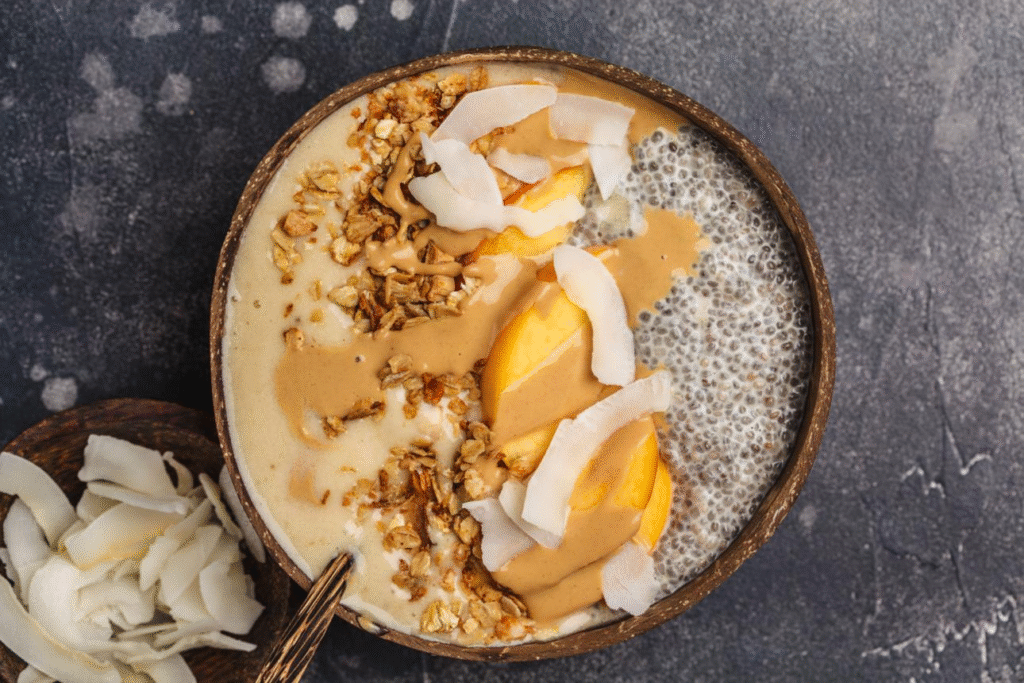
- Try smoothie bowls → same idea, but thicker + toppings = more satisfying
- Add smoothies instead of replacing meals → great for nutrition boost
- Low-carb? Focus on berries, greens, and protein-heavy blends
- High-protein? Add Greek yogurt or protein powder (keeps you full longer)
IMO, the best approach is balance, not extremes. Smoothies should help your diet—not take it over like a bossy manager.
FAQ (Frequently Asked Questions)
Can I lose weight on a smoothie diet?
Yes—if you control calories and keep things balanced. Otherwise, you might just drink your way into extra calories.
Can I replace all meals with smoothies?
You can… but you probably shouldn’t. Your body likes real food too.
Will I feel full?
Only if you include protein, fiber, and fats. Otherwise, you’ll be raiding the fridge in an hour.
How long should I do a smoothie diet?
A few days to a couple of weeks is fine. Long-term? Better to mix it with regular meals.
Are store-bought smoothies okay?
Some are fine, many are sugar traps. Always check labels—seriously.
Can I exercise while on a smoothie diet?
Of course. Just make sure you’re getting enough calories and protein.
Final Thoughts
A smoothie diet isn’t some miracle shortcut—but it can be a smart, simple way to eat healthier if you don’t go overboard.
Think of it like this: smoothies are a tool, not a personality.
Use them to boost your nutrition, simplify your meals, and maybe feel a bit more put-together. But don’t forget real food exists—and it’s still your best friend.
Now go blend something balanced (not just sweet), and enjoy the process. You’ve got this 🥤
[:]