


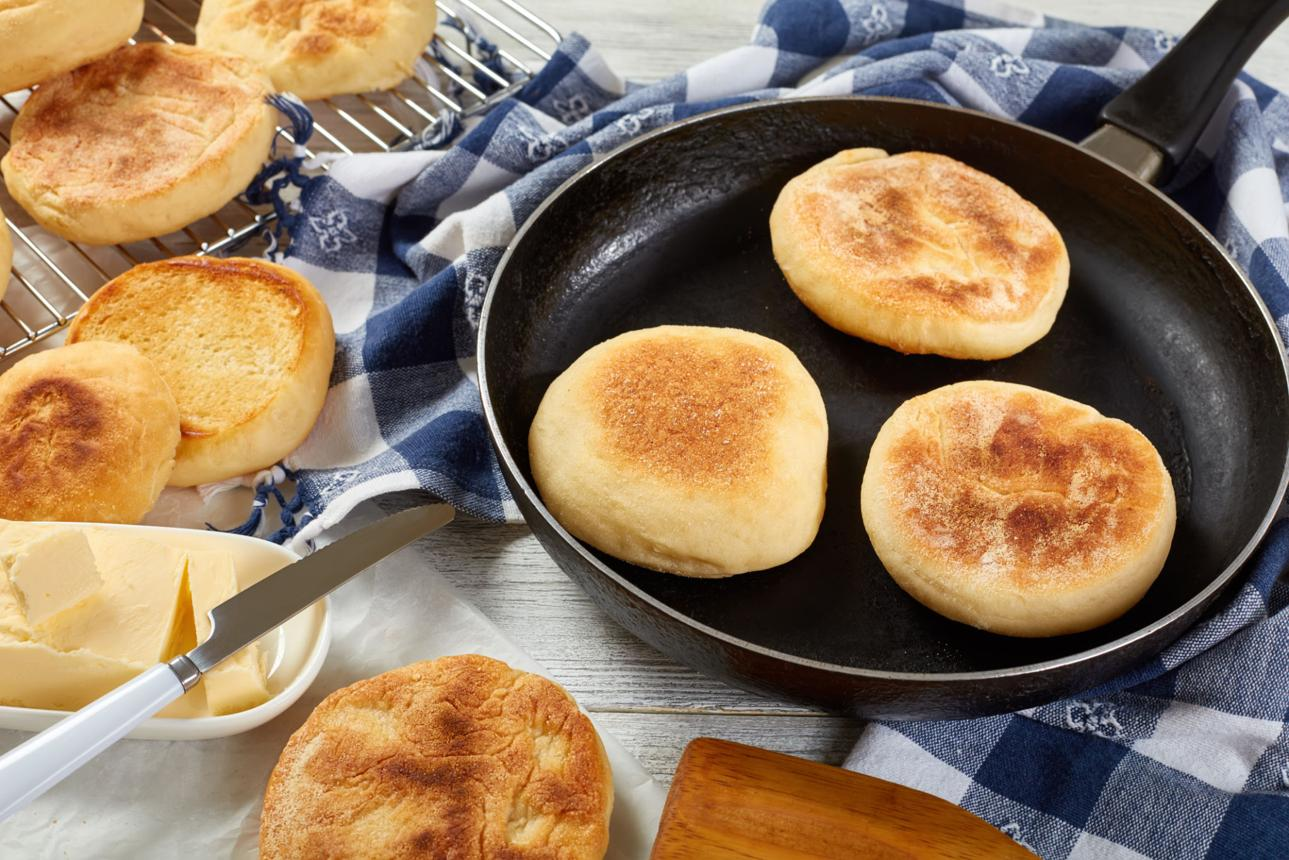
So you want a breakfast that feels a little fancy, tastes wildly good, and still lets you stay in your pajamas until the last possible minute? Excellent choice. Sourdough English muffins are chewy, toasty, full of those lovely little nooks and crannies, and honestly way easier than they sound.
They’re also one of those recipes that makes you look suspiciously competent. Split one open, add butter, watch it melt into every crater, and suddenly you’re the kind of person who “makes homemade bread.” Very impressive. Very cozy. Very worth it.
Why This Sourdough English Muffins Recipe Is Awesome
First, the flavor is just better. Sourdough gives these muffins a gentle tang that makes store-bought ones taste a little… emotionally flat. Not bad, just less exciting.
Second, they’re cooked on a skillet instead of baked like a regular loaf, which means no dramatic bread-baking performance required. No steam trays. No weird oven rituals. Just dough, a pan, and a little patience.
And yes, this version is beginner-friendly. It uses sourdough starter for flavor and a bit of yeast for backup, which is basically the baking version of wearing a belt and suspenders. Reliable rise, less stress, great texture. That’s a win.
A few more reasons to like them:
- Soft interior, lightly crisp outside
- Freezer-friendly: Make a batch now, thank yourself later
- Great for breakfast sandwiches: Eggs, cheese, bacon, done
- Not overly fussy: You do not need monk-level bread skills
- Toasts like a dream
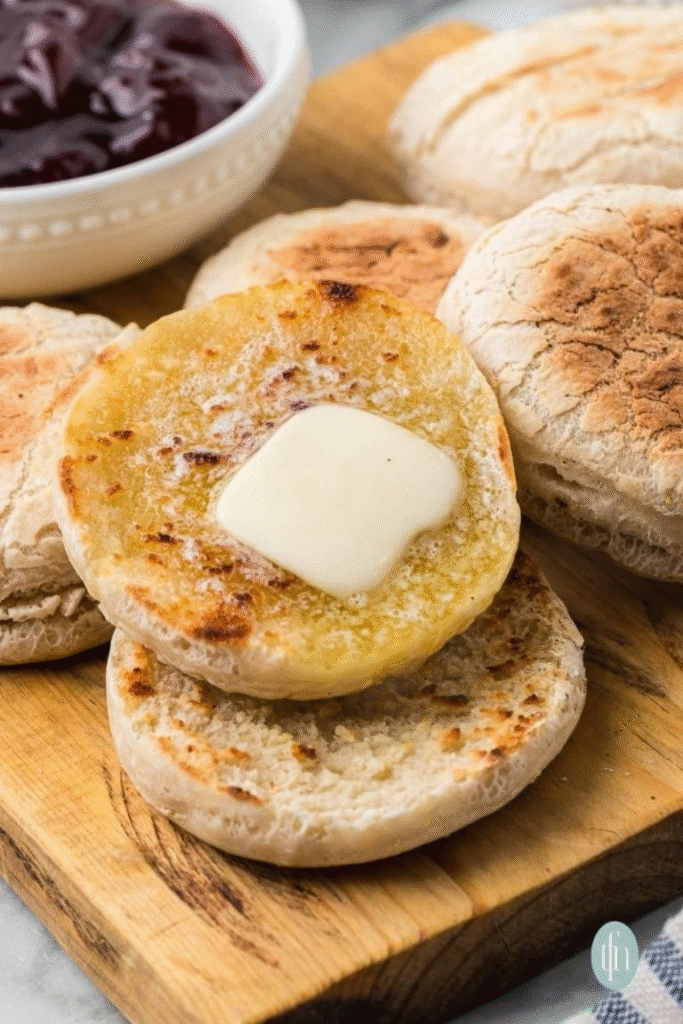
Ingredients You’ll Need for Sourdough English Muffins
This ingredient list is refreshingly normal. No mystery powders. No items you buy once and then ignore in the pantry for three years.
- Sourdough starter: 1 cup, active or discard, both work
- Warm milk: 3/4 cup, not hot unless you’re trying to offend the yeast
- 2 1/4 teaspoons instant yeast
- Honey or sugar: 1 tablespoon, just enough to help things along
- 2 tablespoons melted butter
- 3 cups all-purpose flour
- Salt: 1 teaspoon, because bland bread is sad bread
- Cornmeal or semolina, for dusting
- A little oil or butter for the skillet
If your starter has been hiding in the fridge and looking neglected, that’s okay. This recipe is forgiving. Discard works beautifully here, which is great news if you hate wasting starter and also enjoy carbs. Reasonable priorities.
Step-by-Step Instructions for Sourdough English Muffins
This is the part where the dough goes from “sticky blob” to “breakfast hero.” Read through once, then go make magic.
- In a large bowl, mix the sourdough starter, warm milk, yeast, honey, and melted butter. Stir until it looks mostly smooth. Add the flour and salt, then mix until a shaggy dough forms.
- Knead the dough for about 6 to 8 minutes. You can do this by hand or with a mixer. You want it soft and slightly tacky, not dry and stiff like it’s holding a grudge.
- Put the dough in a lightly greased bowl, cover it, and let it rise until puffy. This usually takes 1 to 1 1/2 hours, depending on how warm your kitchen is. It may not double dramatically, and that’s fine, we’re making muffins, not a towering ego.
- Turn the dough onto a lightly floured surface and pat it to about 1/2-inch thick. Cut out rounds with a biscuit cutter or a drinking glass. Re-roll scraps once if needed, but don’t keep attacking the dough forever.
- Place the rounds on a parchment-lined tray dusted with cornmeal. Sprinkle a little more cornmeal on top, cover loosely, and let them rest for 30 to 45 minutes. They should look a bit puffier, like they’ve had a nice nap.
- Heat a skillet or griddle over low to medium-low heat. This part matters. If the heat is too high, the outsides will brown before the centers cook, and nobody wants a doughy surprise.
- Cook the muffins for about 6 to 8 minutes per side. Flip gently and keep the heat steady. If they’re browning too fast, lower the heat and pretend that was always the plan.
- Move the cooked muffins to a rack and let them cool completely. Then split them with a fork, not a knife, if you want those classic nooks and crannies. Toast, butter, and try not to eat three immediately.
Key tip: If you have a thermometer, the inside should hit about 200°F when they’re done. If not, just cook one a little longer than you think you need the first time. Better safe than gummy.
Common Mistakes to Avoid When Making Sourdough English Muffins
Using a skillet that’s too hot is the big one. This recipe rewards patience. English muffins cook slowly, and low heat gives the inside time to set before the outside gets too dark. If your first batch looks aggressively browned after two minutes, your pan is showing off.
Adding too much flour is another classic move. The dough should feel soft and slightly sticky. If you keep adding flour until it feels ultra-neat and tidy, the muffins can turn dense. Tidy dough is overrated anyway.
Skipping the second rise is also a sneaky problem. Those shaped rounds need a little rest before they hit the pan. That short pause helps them stay light instead of turning into flat bread pucks.
And please, let them cool before splitting. I know. Waiting is rude. But cutting into them too soon can make the inside seem gummy, even if they’re fully cooked. Give them a minute to get their life together.
Alternatives and Substitutions for Sourdough English Muffins
This recipe has some flexibility, which is excellent news for normal people who do not always have every ingredient ready at exactly the right time.
| Ingredient | Easy swap | What changes |
|---|---|---|
| Milk | Water or unsweetened non-dairy milk | Slightly less rich, still good |
| Butter | Neutral oil | Softer flavor, similar texture |
| Honey | Sugar or maple syrup | Small flavor change, works fine |
| All-purpose flour | Bread flour | Chewier texture |
| Cornmeal | Semolina or extra flour | Less crunch outside, still usable |
| Instant yeast | Active dry yeast | Use same amount, dissolve well in the warm milk |
You can also make these a little more wholesome with part whole wheat flour. I’d start by replacing about 1/2 cup of the all-purpose flour. More than that, and the texture gets heavier. Still tasty, just less fluffy and a bit more serious.
Want them smaller for breakfast sandwiches? Great idea. Cut smaller rounds and shave a minute or two off the cooking time. Want giant ones? Also valid, though now you’re basically making edible coasters.
FAQ About Sourdough English Muffins
Can I make sourdough English muffins without yeast?
Yes, but it takes longer and depends on having a very active starter. If your starter is bubbly, strong, and generally thriving, you can skip the yeast and use longer rise times. If your starter seems sleepy, maybe don’t ask it to do all the work.
Can I use sourdough discard instead of active starter?
Absolutely. That’s one of the best parts of this recipe. The added yeast gives you insurance, so discard still brings flavor without forcing you into an all-day wait.
Why are my English muffins raw in the middle?
Usually the skillet heat is too high. The outside browns quickly, the inside stays undercooked, and now everyone’s disappointed. Lower the heat and give them more time.
Do I really need to split them with a fork?
Need? No. Should? Yes, if you want those classic rough little pockets for butter and jam. A knife cuts too cleanly, which is less fun and slightly less glorious.
Can I freeze sourdough English muffins?
Yes, and you should. Let them cool fully, split them, then freeze in a bag or container. That way you can pop them straight into the toaster and feel very prepared.
How long do they stay fresh?
They’re best within about 2 days at room temperature in an airtight container. After that, toast them or freeze them. Homemade bread has no interest in pretending to be immortal.
Can I make the dough ahead of time?
Yep. After kneading, cover the dough and refrigerate it overnight. The next day, let it sit at room temperature for a bit, then shape, proof, and cook. Bonus: the flavor gets even better.
Ready to Make Sourdough English Muffins?
If you’ve got a starter, a skillet, and even a tiny amount of patience, you’re already most of the way there. These muffins are cozy, practical, and just impressive enough to make breakfast feel like an event.
So go make a batch. Toast one, load it with butter or jam or a fried egg, and enjoy the kind of breakfast that makes store-bought muffins seem a little underqualified. You’ve got this.
